KIGALI, RWANDA — A trial in three Rwandan districts has found that a programme combining clinical follow-up with caregiver support improves quality of life for families and halves caregiver distress, offering a new model for Rwanda childhood disability care, The New Times reported on 11 November.
The model combines the Pediatric Development Clinic (PDC) with the Baby Ubuntu programme, which trains and supports caregivers in groups. Findings were presented in Kigali on Wednesday, 11 November, according to the report by Joan Mbabazi.
How the trial tested Rwanda childhood disability care
The trial ran in Burera, Kamonyi and Gakenke districts and enrolled 1,472 children across 56 health centres, grouped into 20 clusters. Half the clusters received the programme and the rest received enhanced usual care. In total, 1,247 children completed the final assessment, including 567 with identified disabilities.
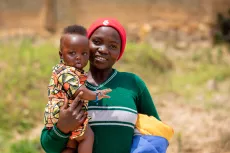
Dr Erick Baganizi, Director of Clinical Services at Partners In Health, said the programme filled gaps in follow-up for children discharged from hospital with conditions that put their development at risk, such as premature birth, severe jaundice, neonatal encephalopathy, meningitis and missed developmental milestones. “Baby Ubuntu complements this care through group sessions where caregivers learn practical skills,” he said, including positioning, feeding, play and communication.
Results for families
Some 72 per cent of programme families reported improved quality of life, compared with 52.1 per cent in the comparison group. Among families caring for children with developmental disabilities, the figures were 66.1 per cent and 42.9 per cent. Quality-of-life scores were 9.1 points higher overall and 11.7 points higher among families of children with disabilities.
Caregivers in the programme were about 50 per cent less likely to experience psychological distress, and 40 per cent less likely among caregivers of children with developmental disabilities. Suicidal thoughts among caregivers fell by half. Caregivers also reported greater confidence and less disability-related stigma.
The findings on caregiver distress are significant because mental health problems among parents of children with disabilities are common and often unrecognised. Distressed caregivers may struggle to follow therapy routines, attend appointments and care for other children.
The trial found no measurable difference in children’s development scores or nutritional status between groups. Programme children became more involved in home and community activities, although for children with disabilities participation frequency was not significantly different.
Costs and barriers
All 29 programme health centres were still running the model 12 months later, and 98 per cent of families attended at least one session. The first-year cost was about 280 US dollars per child, falling to about 150 dollars a year once established, with about 90 per cent of running costs covering nurses’ time and health centre space that the government already provides.
Transport costs, financial hardship and scheduling problems limited attendance for the most vulnerable households. Boniface Nkiranuye, a father from Kayonza, said eye screening led to spectacles for his daughter, but adjustments can cost up to Rwf50,000, which his family struggles to afford.
Researchers said barriers such as transport costs could be reduced by holding sessions closer to communities, providing transport support for the poorest families and linking families to social protection programmes.
Towards national policy
Jean-Marie Vianney Ndayizigiye, Permanent Secretary of the Ministry of Health, said the findings should inform national guidelines, and that scaling up would require collaboration with the Ministry of Local Government, the National Child Development Agency and other institutions.
A policy brief recommends adopting the model as a national standard for follow-up of high-risk newborns and young children with developmental disabilities, expanding it to every district, including it in district health budgets and exploring coverage under community-based health insurance.
Rwanda has a strong record of scaling up health programmes through community health workers and health centres, and its community-based health insurance covers most of the population. Integrating the Rwanda childhood disability care model into these systems could allow national rollout at modest cost.
Developmental disabilities in early childhood often result from preventable or treatable causes, including complications of preterm birth, birth asphyxia, severe jaundice and infections such as meningitis. Better newborn care can reduce these risks, while early identification and support can improve outcomes for children who are affected.
Caregivers of children with disabilities often face isolation, stigma, financial pressure and exhaustion. The trial’s finding that caregiver mental health improved substantially suggests that support for families is as important as clinical care. The Rwanda childhood disability care model could interest other African countries seeking low-cost ways to support children with developmental needs.
Why it matters: Low-cost group support halved caregiver distress, showing families of disabled children need help as much as clinical care.
Cancer Caregiver Support Tips: Caring Well Without… When someone is diagnosed with cancer, the whole family feels it. In Nigeria, most care happens at home, often led by a spouse, adult child or sibling. Caregivers manage medicines, cook special meals, travel to…
Diabetes in Nigeria: Why Blood Sugar Control Fails Diabetes in Nigeria does not usually fail in the clinic. Among people who reach a specialist and stay in care, control is often reasonable. It fails in the years before anyone tests you, and it…
Nutrition During Cancer Treatment: What to Eat and Why Cancer and its treatment place heavy demands on the body. Chemotherapy, radiotherapy and surgery all increase your need for energy and protein, while side effects such as nausea and mouth sores make eating harder. Good…
Newly Diagnosed With Breast Cancer? Your First 30 Days Guide If you have just been newly diagnosed with breast cancer, start here. You do not need to understand everything today. You need to know what to do next, and in what order. This guide breaks…