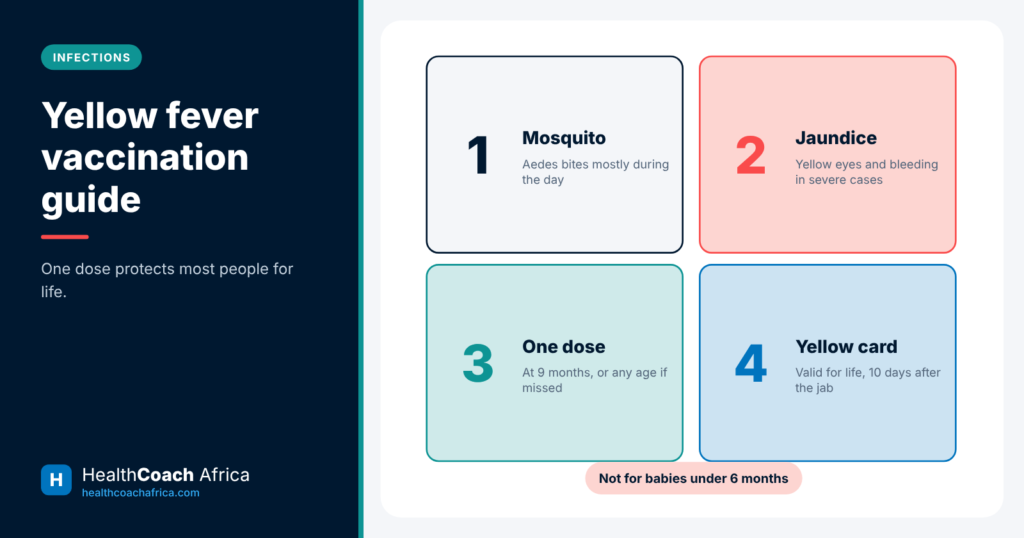
Yellow fever is a serious viral disease spread by mosquitoes. Nigeria has experienced repeated outbreaks in recent years. There is no specific cure, and severe cases can be fatal. Yet a single dose of vaccine gives lifelong protection for most people. This yellow fever vaccination guide explains the disease, who should be vaccinated, what to expect after the jab and what you need for travel.
What is yellow fever?
Yellow fever is caused by a virus spread through the bites of infected Aedes and Haemagogus mosquitoes.Aedes mosquitoes bite mainly during the day. The virus can spread between monkeys and mosquitoes in forests, and then to people who live or work nearby. In towns and cities, it can spread from person to person through mosquitoes, causing large outbreaks.
The disease gets its name from the jaundice, or yellow eyes and skin, that affects some patients.
Symptoms
Many people infected with yellow fever have no symptoms or a mild illness. When symptoms appear, they usually start three to six days after the bite:
Fever
Headache
Muscle and back pain
Loss of appetite
Nausea and vomiting
Most people improve within three to four days. However, a small proportion enter a second, toxic phase within a day. This can cause:
High fever
Jaundice, with yellow eyes and skin
Dark urine
Abdominal pain with vomiting
Bleeding from the mouth, nose, eyes or stomach
Kidney failure
About half of people who enter this toxic phase die within 7 to 10 days.
Diagnosis and treatment
Yellow fever is hard to diagnose early, because it can look like malaria, Lassa fever, typhoid and hepatitis. Blood tests are needed to confirm it.
There is no specific antiviral treatment. Hospital care focuses on fluids, managing fever and pain, treating complications and supporting organs. Avoid aspirin and anti-inflammatory painkillers, which increase bleeding risk. Early hospital care improves survival.
Yellow fever in Nigeria
Nigeria is one of the countries at high risk of yellow fever. Outbreaks have been reported in many states. Nigeria has run large vaccination campaigns to protect people in high-risk areas. Gaps in routine childhood vaccination leave some communities vulnerable. That is why this yellow fever vaccination guide encourages every family to check vaccination records for children and adults alike.
Why vaccination matters
Vaccination is the most important way to prevent yellow fever. According to the World Health Organization, a single dose of yellow fever vaccine1 provides lifelong protection for most people. A booster dose is not needed for most people.
The vaccine is safe, affordable and highly effective. It starts to protect within about ten days for most people.
Yellow fever vaccination guide: who should get it?
Children at nine months of age, as part of Nigeria’s routine immunisation schedule, given at the same visit as the measles vaccine
Older children and adults who missed the vaccine
People in areas affected by outbreaks, during vaccination campaigns
Travellers to countries that require proof of vaccination
Check your child’s vaccination card. If the yellow fever dose is missing, ask a health facility about catch-up vaccination.
HUBPHARM PHARMACIST’S NOTE
Not sure whether you or your child had the yellow fever vaccine, or whether it is safe for you? Send a photo of the vaccination card to a HubPharm pharmacist. We will check what is recorded, tell you where to get a missed dose or an official yellow card, and help you decide whether you should speak to a doctor first, for example during pregnancy, with HIV or after age 60. We also supply day-time insect repellent, which matters because the mosquitoes that spread yellow fever bite during the day.
Who should not have the vaccine
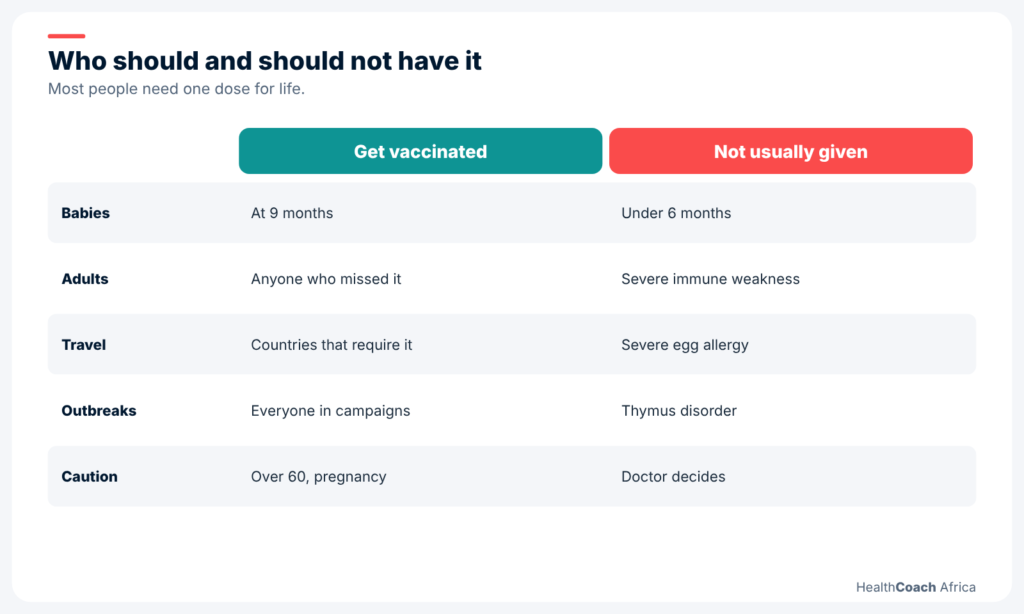
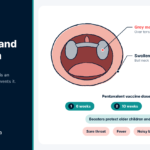
Who should get the vaccine and who should not, from a yellow fever vaccination guide
A health worker will weigh the risks for anyone in the caution group.
The yellow fever vaccine contains a weakened live virus. It is not suitable for everyone. It is usually not given to:
Babies under six months
People with severe immune weakness, such as advanced HIV, some cancers or treatments that suppress immunity
People with a severe allergy to eggs or to a previous dose of the vaccine
People with a disorder of the thymus gland
Extra caution is needed for adults over 60, pregnant women, breastfeeding mothers of young babies and babies aged six to eight months. In these groups, the vaccine may still be given if the risk of yellow fever is high, such as during an outbreak. A health worker will weigh the risks.
Vaccination for people living with HIV
People living with HIV who are well and have a good immune system can usually receive the yellow fever vaccine. People with a very low CD4 count should not receive it. Your HIV clinic can advise whether vaccination is safe for you, based on your latest results. This yellow fever vaccination guide is general, so always ask your own clinic.
Planning vaccines for travel
If you are travelling, plan at least two weeks ahead. The vaccine needs ten days to become valid on your certificate. Check the entry requirements of every country on your route, including transit stops. Some countries also recommend other vaccines and malaria prevention.
Possible side effects
Most people have no problems or only mild side effects, such as:
Soreness at the injection site
Mild headache
Low fever or muscle aches for a few days
Serious reactions are very rare. Seek medical care if you develop a high fever, severe headache, confusion, yellow eyes or a widespread rash after vaccination.
Travel and the yellow card
Many countries require travellers from Nigeria to show proof of yellow fever vaccination. This is recorded on the International Certificate of Vaccination or Prophylaxis, often called the yellow card. The certificate becomes valid ten days after vaccination and is valid for life.
Get vaccinated at an approved centre and keep the card safely with your passport. Beware of fake certificates. They give no protection and can cause problems at borders.
Preventing mosquito bites
Vaccination is the main protection, but avoiding mosquito bites also helps prevent yellow fever and other mosquito-borne diseases such as dengue:
Use insect repellent during the day2
Wear long sleeves and trousers
Remove standing water around the home, where Aedes mosquitoes breed
Use screens on windows and doors
Yellow fever vaccination guide for parents
Bring your child to the health facility at nine months for both measles and yellow fever vaccines. Keep the vaccination card safe and bring it to every visit. If your child missed the vaccine, ask about catch-up doses. Mild fever or fussiness for a day or two after vaccination is common and can be treated with paracetamol.
Myths about yellow fever vaccination
“You need a booster every ten years.” For most people, one dose gives lifelong protection.
“The yellow card is just paperwork.” The card proves real protection against a deadly disease.
“Yellow fever only affects travellers.” People living in Nigeria are at risk during outbreaks.
“Malaria nets protect against yellow fever.”Aedes mosquitoes bite during the day, so day-time protection is needed.
Signs that need urgent care
Seek care quickly if you or a family member develops fever with yellow eyes, bleeding, dark urine or severe abdominal pain, especially during an outbreak or after travel to an affected area. Tell the health worker about any recent travel and your vaccination status. Early hospital care improves survival, even though there is no specific antiviral treatment for yellow fever.
Share the guide
Share this yellow fever vaccination guide with relatives planning to travel, and remind them to keep their yellow cards safe.
One dose gives lifelong protection for most people.
2
Insect repellent
Over the counter
Day-time protection against Aedes mosquitoes.
To order any of these, or to ask a pharmacist a question first, message HubPharm on WhatsApp or visit hubpharmafrica.com. Prescription medicines are supplied against a valid prescription.
Mosquito Control at Home: Protecting Your Family… Mosquitoes are more than a nuisance. In Nigeria, the Anopheles mosquito carries malaria, which kills many children every year. Other mosquitoes spread dengue, yellow fever and other infections. Much of the fight against mosquitoes happens…
Malaria Prevention for Travellers: Staying Safe on Your Trip Every year, many people travel to Nigeria for business, holidays, weddings, funerals and family visits. These include Nigerians who live abroad and return home. Malaria is present throughout Nigeria, all year round. Travellers who have…
Tetanus Symptoms and Prevention: Why Every Wound Matters A small cut from a farm tool, a nail in the foot or a dirty wound from a motorcycle accident can seem harmless. But if tetanus germs enter the wound, they can cause a painful…
Diphtheria Symptoms and Vaccination: Lessons From… Diphtheria was once a leading cause of death among children worldwide. Vaccination made it rare in many countries. However, Nigeria has faced large diphtheria outbreaks since 2022, mainly in northern states, with thousands of confirmed…