Many girls and women miss school, work or important events because of painful periods. Some are told that pain is simply part of being a woman and must be endured. While mild cramps are common, severe pain that stops you from living normally is not something you should accept. The right period pain relief tips can make a big difference, and very painful periods may be a sign of a condition that needs treatment. This guide explains why periods hurt, what helps and when to see a doctor.
Why periods hurt
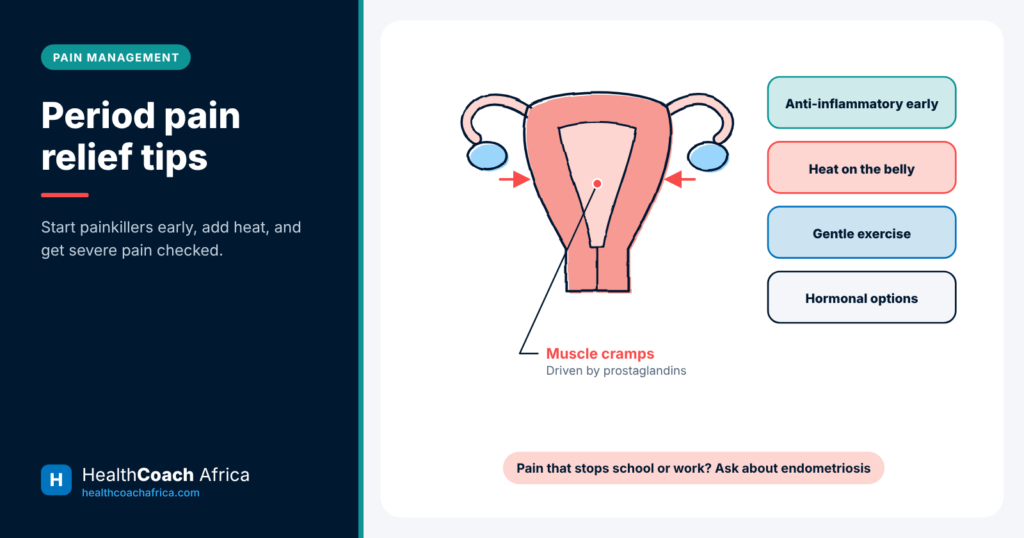
During a period, the womb contracts to shed its lining. These contractions are driven by chemicals called prostaglandins. High levels of prostaglandins cause stronger contractions, which squeeze blood vessels and reduce oxygen to the womb muscle. This causes cramping pain.
Pain usually starts just before or at the start of bleeding and lasts one to three days. It is often felt in the lower belly but can spread to the back and thighs.
Primary and secondary period pain
Primary period pain is common, usually starts within a few years of the first period and is not caused by another condition. It often improves with age and after childbirth.
Secondary period pain is caused by a condition such as endometriosis, adenomyosis, fibroids or pelvic infection. It often starts later in life or gets worse over time.
Period pain relief tips: painkillers
Anti-inflammatory painkillers are usually the most effective option, because they reduce prostaglandins:
Ibuprofen, naproxen or mefenamic acid1
Start taking them at the first sign of pain or bleeding, or a day before if your periods are regular
Take them regularly for the first one to three days, rather than waiting until pain is severe
Take them with food to protect your stomach
Paracetamol can be used if you cannot take anti-inflammatories, or added to them for extra relief.
Avoid anti-inflammatories if you have asthma that worsens with them, a stomach ulcer, kidney problems or are pregnant. Ask a pharmacist if unsure.
Period pain relief tips for teenagers
Period pain is common in teenagers and often starts within a year or two of the first period. Parents can help by keeping simple painkillers and a hot water bottle at home, teaching their daughter how to use them safely and letting the school know if pain sometimes needs rest. Girls who miss school regularly because of pain should see a doctor. Severe pain in a teenager can be an early sign of endometriosis.
Heat
Heat relaxes the womb muscles and eases cramps. Try:
A hot water bottle wrapped in a towel on your lower belly or back
A heat patch2
A warm bath or shower
Studies suggest heat can be as effective as some painkillers for mild to moderate pain.
Exercise and movement
Gentle exercise increases blood flow and releases natural pain-relieving chemicals called endorphins. Walking, stretching, yoga, dancing or swimming can help. Regular exercise throughout the month may reduce period pain over time.
Other self-care period pain relief tips
Gently massage your lower belly in circular movements
Rest in a comfortable position, such as lying on your side with knees bent
Drink plenty of water
Eat regular, balanced meals
Cut down on caffeine, alcohol and very salty food around your period
Stop smoking, which is linked to more painful periods
Practise slow breathing or relaxation
Food and period pain
Some women find that their diet affects period symptoms. Helpful choices include:
Plenty of vegetables, fruit and whole grains
Fish, beans and groundnuts
Iron-rich foods, especially if periods are heavy
Less sugar, salt and caffeine before and during your period
These period pain relief tips work best alongside painkillers and heat, not instead of them.
HUBPHARM PHARMACIST’S NOTE
The most common mistake we see is waiting until the pain is severe before taking anything. Anti-inflammatory painkillers work best when they are started at the first sign of bleeding and taken regularly for the first day or two. Message a HubPharm pharmacist and we will check which painkiller suits you, especially if you have asthma or a stomach ulcer, and deliver it with heat patches before your next period. If your pain is severe or getting worse, we will help you prepare for a doctor’s visit about endometriosis or fibroids.
Hormonal treatments
If painkillers and self-care are not enough, hormonal contraception can reduce or even stop period pain. Options include:
The combined contraceptive pill3
The progestogen-only pill
The contraceptive injection or implant
The hormonal IUD, or coil
These make the womb lining thinner, which reduces bleeding and pain. A doctor or nurse can help you choose the right option.
When period pain is not normal
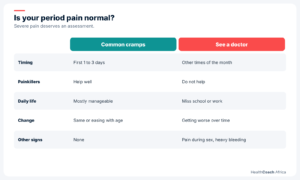
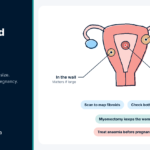
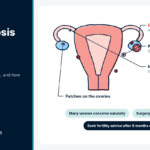
Comparison of common cramps and warning signs, with period pain relief tips and when to see a doctor
Endometriosis is often missed for years. Ask about it directly.
See a doctor if:
Pain stops you from going to school or work regularly
Painkillers do not help
Pain has become worse over time
Pain occurs at other times of the month
You have pain during sex
You have heavy bleeding, bleeding between periods or after sex
You have unusual discharge or fever
You are struggling to get pregnant
These can be signs of endometriosis, fibroids or infection, which need proper assessment.
Period pain relief tips at school and work
Carry painkillers, pads and a small heat patch in your bag
Take your first painkiller dose as soon as pain starts
Stay hydrated and eat a light meal
Move around during breaks
Tell a trusted teacher, manager or nurse if pain is severe
You should not have to hide severe pain. Ask for support when you need it.
Heavy periods
Very heavy periods often come with more pain. Signs of heavy bleeding include changing pads every one to two hours, passing large clots or bleeding for more than seven days. Heavy bleeding can cause anaemia. A doctor can check for fibroids and other causes and offer treatment.
Endometriosis
Endometriosis is a condition where tissue similar to the womb lining grows outside the womb. It can cause severe period pain, pain during sex, bowel or bladder pain and fertility problems. Diagnosis is often delayed for years. If you have severe pain that does not respond to usual period pain relief tips, ask your doctor directly about endometriosis.
Myths about period pain
“Severe period pain is normal.” Pain that stops normal life deserves assessment.
“Painkillers will damage your womb.” Painkillers used correctly do not harm the womb or fertility.
“Having a baby is the only cure.” Many treatments help without pregnancy.
“Hot drinks with herbs cure cramps.” Warm drinks may comfort, but proven treatments work better.
Period pain relief tips: track your cycle
A simple period diary helps you plan ahead. Record the first day of bleeding, how heavy it is, your pain score and what helped. After a few months, you can predict when pain will start and take painkillers early. A diary is also useful for your doctor if pain is severe or changing.
Period pain and the menopause transition
In the years before menopause, periods can become heavier, irregular or more painful. Fibroids and adenomyosis are more common at this stage. New or worsening pain in your 40s deserves a check rather than simply more painkillers. Bleeding after menopause always needs a doctor’s review.
Partners can help
Partners and family members can help by taking on chores, preparing a hot water bottle and believing that the pain is real.
Reduce prostaglandins. Start early and take with food.
2
Heat patches
Over the counter
Relax the womb muscles. As effective as some painkillers for mild pain.
3
Combined contraceptive pill
Pharmacy or prescription
Can reduce or stop period pain.
To order any of these, or to ask a pharmacist a question first, message HubPharm on WhatsApp or visit hubpharmafrica.com. Prescription medicines are supplied against a valid prescription.
Period Pain Relief Tips for Every Woman and Girl Most women and girls experience some pain during their periods. For many, it is a mild ache. For others, it is severe enough to cause vomiting, fainting or days off school and work. Too often,…
HPV Vaccine for Girls: Protecting Your Daughter From… Cervical cancer is one of the most common cancers in Nigerian women, and it claims thousands of lives every year. Almost all cases are caused by a virus called human papillomavirus, or HPV. A safe…
Fibroids and Getting Pregnant: How Fibroids Affect Fertility Fibroids are very common among Nigerian women. Many women only learn they have them during a scan for another reason, or when they struggle to conceive. Some are told that fibroids will stop them from…
Endometriosis and Getting Pregnant: What Women Need to Know Endometriosis is a common condition that causes painful periods, pelvic pain and, for some women, difficulty conceiving. Many women in Nigeria live with symptoms for years before diagnosis, because severe period pain is often dismissed…