Fatty liver disease is becoming one of the most common liver conditions worldwide, including in Nigeria. It is closely linked to weight gain, diabetes and high blood pressure. Most people have no symptoms and only find out when an ultrasound scan or blood test is done for another reason. Without action, it can lead to scarring of the liver and, in some cases, liver failure or cancer. The good news is that early fatty liver disease can often be reversed. This guide explains the fatty liver disease signs, who is at risk and what you can do.
What is fatty liver disease?
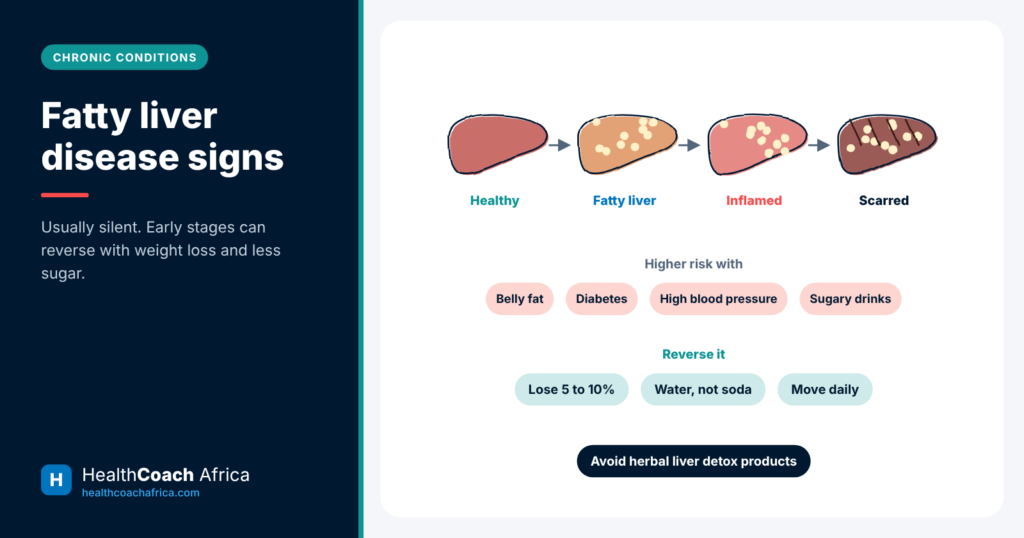
A healthy liver contains a small amount of fat. Fatty liver disease means too much fat has built up inside liver cells. There are two main types:
Metabolic fatty liver disease, linked to excess weight, diabetes, high blood pressure and high cholesterol. It was previously called non-alcoholic fatty liver disease (NAFLD) and is now often called MASLD.
Alcohol-related fatty liver disease, caused by drinking too much alcohol.
Both types can occur together.
Why fatty liver is rising in Nigeria
Diets in Nigerian cities have changed. Many people now eat more processed food, fried snacks, white bread, sugary drinks and large portions, while being less active because of desk jobs and traffic. As a result, more people are overweight or have diabetes, and fatty liver is becoming more common. Many people do not know the fatty liver disease signs or that they are at risk until a scan shows fat in the liver.
How it progresses
Fatty liver disease can move through several stages:
Simple fatty liver, with fat in the liver but little inflammation
Inflammation (steatohepatitis), where fat damages and inflames liver cells
Fibrosis, where scar tissue begins to form
Cirrhosis, severe scarring that can cause liver failure and raises the risk of liver cancer
Not everyone progresses. Early stages can improve with lifestyle change.
Fatty liver disease signs
Most people have no symptoms in the early stages. When fatty liver disease signs appear, they may include:
Tiredness
A dull ache or discomfort in the upper right side of the belly
Feeling generally unwell
Signs of advanced liver disease include:
Yellow eyes and skin (jaundice)
Swelling of the belly or legs
Itchy skin
Easy bruising or bleeding
Confusion
Vomiting blood or passing black stools
Seek medical care urgently if you notice any signs of advanced liver disease.
Who is at risk?
People who are overweight, especially with fat around the waist
People with type 2 diabetes or prediabetes
People with high blood pressure
People with high cholesterol or triglycerides
People who drink a lot of sugary drinks
People who are inactive
People who drink alcohol heavily
People with sleep apnoea or polycystic ovary syndrome
Fatty liver is often part of metabolic syndrome, a cluster of conditions that also raise the risk of heart disease and stroke.
Fatty liver disease signs in children and teenagers
Children and teenagers who are overweight can also develop fatty liver. They usually have no symptoms. Dark, velvety skin patches on the neck or armpits can be a sign of insulin resistance, which is linked to fatty liver. Encourage active play, limit sugary drinks and snacks, and offer family meals with plenty of vegetables. Talk to a doctor if your child is overweight and has these skin changes.
How it is diagnosed
Fatty liver is often discovered by chance. Tests include:
Liver blood tests, which may show mildly raised liver enzymes, though they can be normal
Ultrasound scan, which can show fat in the liver
Scores and special scans, such as a FibroScan, to estimate scarring
Tests for other causes, such as hepatitis B and C
Your doctor will also check your blood sugar, cholesterol and blood pressure.
Reversing fatty liver disease
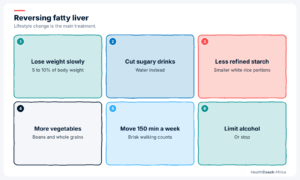
Six lifestyle steps to reverse early fatty liver disease signs
Losing 5 to 10% of body weight can reduce liver fat and inflammation.
There is no single medicine that cures fatty liver disease, but lifestyle changes are very effective:
Lose weight gradually. Losing 5 to 10% of your body weight can reduce liver fat and inflammation.
Cut sugary drinks, including soft drinks, malt drinks and sweetened juices.
Reduce refined carbohydrates, such as white bread, pastries and large portions of white rice.
Eat more vegetables, beans and whole grains.
Choose healthy fats, such as those in fish and groundnuts, and limit fried food.
Be active for at least 150 minutes a week.
Limit or stop alcohol.
HUBPHARM PHARMACIST’S NOTE
Liver detox teas, slimming herbs and some bodybuilding supplements are among the most common causes of avoidable liver injury we see. Send a photo of any supplement or herbal product to a HubPharm pharmacist before you take it. We will check what is known about it and whether it could stress your liver. We also review your diabetes, blood pressure and cholesterol medicines, help you keep them on schedule and check that your paracetamol use stays within safe limits.
Treating related conditions
Controlling diabetes, blood pressure and cholesterol1 protects both the liver and the heart. Some diabetes medicines may also reduce liver fat. Your doctor will choose treatments that suit you. Take medicines as prescribed and attend regular check-ups.
A sample healthy day
Breakfast: boiled eggs with vegetables and a slice of wholemeal bread
Lunch: a small portion of brown rice or beans with fish stew and salad
Snack: an orange or a handful of groundnuts
Dinner: a small wrap of swallow with vegetable soup and lean protein
Drinks: water, unsweetened zobo or plain tea
Monitoring your liver
People with fatty liver disease should have regular check-ups. Your doctor may repeat liver blood tests, scans or scarring scores every one to three years, depending on your risk. Weight, waist size, blood sugar and blood pressure are also tracked. Improvement in these numbers often goes hand in hand with improvement in the liver.
Fatty liver disease signs: when to worry
Most people with fatty liver feel well. Seek care quickly if you develop yellow eyes, a swollen belly, confusion or bleeding. These are not early fatty liver disease signs but signs of advanced liver damage, which needs urgent specialist care.
Protect your liver
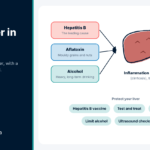
Get tested and vaccinated for hepatitis B2
Avoid herbal mixtures and unregulated supplements, which can damage the liver
Use paracetamol only at recommended doses
Avoid sharing razors, needles or toothbrushes
Have regular liver checks if you have fatty liver disease
Myths about fatty liver
“Only drinkers get fatty liver.” Metabolic fatty liver affects many people who rarely drink.
“Thin people cannot have fatty liver.” It is less common, but it can occur in slim people.
“Liver detox teas cure fatty liver.” These products are not proven and some may harm the liver.
“Nothing can be done.” Weight loss and healthy habits often reverse early disease.
Questions to ask your doctor
How much fat or scarring is in my liver?
Do I need a FibroScan or other tests?
How much weight should I aim to lose?
Are any of my medicines affecting my liver?
How often should my liver be checked?
Recognising fatty liver disease signs early, and asking these questions, helps you and your doctor build a clear plan. Many people see their liver tests improve within months of steady lifestyle change.
Small steps that add up
Start with one change, such as swapping soft drinks for water. Add a daily walk. Small, steady steps are easier to keep than drastic diets.
Diabetes, blood pressure and cholesterol medicines
Prescription only
Controlling these conditions protects the liver and heart.
2
Hepatitis B vaccine
Health facilities
Protects the liver from a common infection.
To order any of these, or to ask a pharmacist a question first, message HubPharm on WhatsApp or visit hubpharmafrica.com. Prescription medicines are supplied against a valid prescription.
Rinella ME, et al. A multisociety Delphi consensus statement on new fatty liver disease nomenclature. Hepatology. 2023;78(6):1966-1986. https://doi.org/10.1097/HEP.0000000000000520
Fatty Liver Disease Symptoms: The Silent Condition… Fatty liver disease is becoming one of the most common liver conditions in the world, and Nigeria is no exception. It is closely linked to rising rates of obesity, type 2 diabetes and high blood…
Thyroid and Weight Gain: Separating Facts From Myths Many people who struggle with their weight wonder whether their thyroid is to blame. Others with a diagnosed thyroid problem find it hard to lose weight even on treatment. The link between thyroid and weight…
Liver Cancer in Nigeria: Causes, Warning Signs and… Liver cancer is one of the leading causes of cancer death in Nigeria. It often affects people in their thirties, forties and fifties, at the most productive time of their lives. Sadly, most patients are…
Living With Heart Failure: A Daily Guide for… Heart failure does not mean that the heart has stopped or is about to stop. It means that the heart is not pumping blood around the body as well as it should. It is a…