Many people who struggle with their weight wonder whether their thyroid is to blame. Others with a diagnosed thyroid problem find it hard to lose weight even on treatment. The link between thyroid and weight gain is real, but it is often misunderstood. This guide explains how the thyroid affects weight, what to expect from treatment and how to manage your weight healthily.
How the thyroid affects metabolism
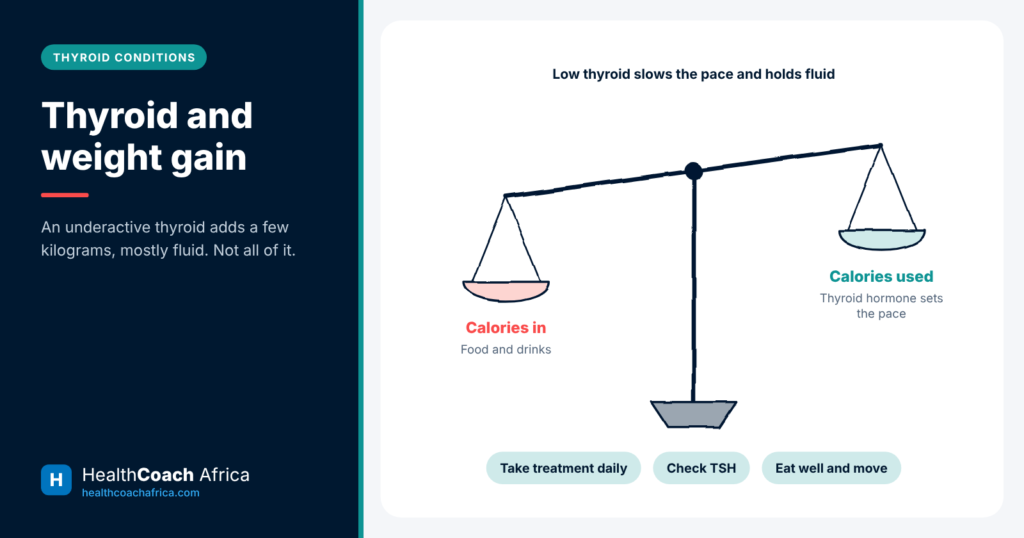
The thyroid produces hormones that help control metabolism, the rate at which the body uses energy. When thyroid hormone levels are low, as in hypothyroidism, metabolism slows. When they are high, as in hyperthyroidism, metabolism speeds up.
Metabolism is only one part of the weight equation. Food, physical activity, sleep, stress, age, medicines and genes also play major roles.
Underactive thyroid and weight gain
An underactive thyroid often causes some weight gain. According to the American Thyroid Association, much of this extra weight is due to salt and water retention, rather than fat. The amount gained is usually modest, often a few kilograms, depending on how severe the condition is.
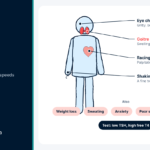
Other symptoms of an underactive thyroid include tiredness, feeling cold, constipation, dry skin, slow thinking and low mood. Learn more in our article on hypothyroidism.
What happens with treatment
When an underactive thyroid is treated with levothyroxine, much 1 of the extra fluid is usually lost, along with a small amount of weight. However, treatment does not usually lead to large weight loss. If a person gained significant weight before diagnosis, it is likely that other factors also contributed.
This can be frustrating. It helps to understand that the thyroid is often only one piece of the puzzle.
Overactive thyroid and weight
An overactive thyroid speeds up metabolism and usually causes weight loss, even with a good appetite. When treatment brings hormone levels back to normal, many people regain weight, sometimes more than they lost. This is a normal effect of returning to a normal metabolism, combined with the larger appetite that developed during the overactive phase. Adjusting eating habits during treatment helps.
Is my thyroid causing my weight gain?
Thyroid problems are a common cause of fatigue and modest weight change, but they are not the most common cause of weight gain. Other frequent causes include:
Eating more calories than the body uses
Low physical activity
Poor sleep
Stress and emotional eating
Medicines such as steroids, some antidepressants and some diabetes medicines
Hormonal changes in pregnancy and menopause
Polycystic ovary syndrome
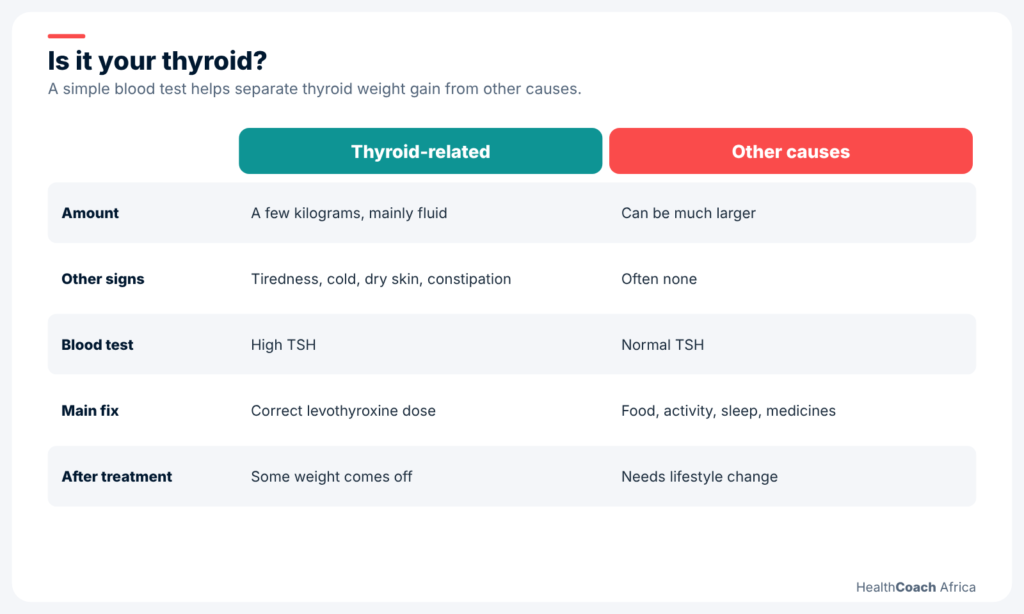
A simple blood test for TSH can show whether your thyroid is working normally.
Comparison of thyroid and other causes in thyroid and weight gain
A normal TSH result means the thyroid is unlikely to be the main cause.
Thyroid and weight gain: what the numbers usually look like
In mild hypothyroidism, weight gain is often small, perhaps one to three kilograms. In more severe cases, the gain can be larger, mostly from fluid. Once treatment brings hormone levels into range, some of this fluid weight comes off. Further weight loss depends on diet, activity and other factors. Knowing what to expect helps prevent disappointment and keeps you focused on habits that work. Thyroid and weight gain are linked, but the thyroid rarely explains all the weight.
Getting the dose right
If you have hypothyroidism, taking the correct dose of levothyroxine is important. Under-treatment can leave you tired and less active, making weight control harder. Take levothyroxine on an empty stomach, at the same time every day, and have your blood test checked as advised. Do not change the dose on your own.
Tracking your progress
Weigh yourself once a week at the same time of day. Measure your waist each month. Keep a simple food and activity diary for two weeks to spot patterns. Note your energy levels and sleep. Share these records with your doctor. They help show whether your thyroid treatment is right and whether other changes are needed.
Thyroid and weight gain with other conditions
Many people with thyroid conditions also have other health issues. Polycystic ovary syndrome, insulin resistance, depression and sleep apnoea can all affect weight. Some medicines, such as steroids and certain antidepressants, cause weight gain. Your doctor may check for these if weight loss is very difficult despite good thyroid control.
HUBPHARM PHARMACIST’S NOTE Some slimming products sold online contain hidden thyroid hormone, stimulants or laxatives. They can cause a racing heart and bone loss. Send a photo of any slimming product to a HubPharm pharmacist before you take it. We will check what is known about it and suggest safer ways to support your weight goals.
Thyroid pills are not diet pills
Some people take thyroid hormone, or products containing it, to lose weight. This is dangerous. Excess thyroid hormone can cause a racing heart, irregular heartbeat, anxiety, poor sleep, bone thinning and muscle loss. The weight lost is often muscle rather than fat, and it returns when the pills stop. Some “slimming” supplements sold online contain hidden thyroid hormone. Avoid them.
Healthy weight management with a thyroid condition
People with thyroid conditions can manage their weight with the same healthy habits as everyone else:
Eat balanced meals with plenty of vegetables, protein and whole grains
Keep portions of rice, swallows and bread moderate
Cut sugary drinks and snacks
Be active for at least 150 minutes a week
Add strength exercises to protect muscle
Get enough sleep
Manage stress
Changes may take a little longer to show results, but they work.
Exercise that helps
Both aerobic and strength exercises support weight control. Brisk walking, dancing, swimming and cycling burn calories and improve mood. Strength exercises, such as squats, lunges, push-ups against a wall and carrying loads, build muscle. Muscle burns more energy at rest than fat. Start slowly if you feel tired, and build up gradually as your thyroid levels improve.
Sleep and stress matter
Poor sleep increases appetite, especially for sugary and fatty foods. Stress raises cortisol, which encourages weight gain around the waist. Aim for seven to eight hours of sleep, and find healthy ways to cope with stress. These steps support your efforts to manage thyroid and weight gain.
Thyroid and weight gain in pregnancy and after birth
Thyroid problems can start during or after pregnancy. Postpartum thyroiditis can cause weight changes, tiredness and mood changes in the months after birth. Women who find it hard to lose weight after pregnancy, especially with severe tiredness, should ask for a thyroid test.
Eating well with a thyroid condition
There is no special “thyroid diet”. Balanced meals work best. Fill half your plate with vegetables, a quarter with protein such as fish, eggs or beans, and a quarter with whole grains or other starchy foods. Use iodised salt in moderation, but avoid iodine or kelp supplements unless your doctor recommends them, because too much iodine can upset the thyroid.
Some foods, such as soya, high-fibre cereals and coffee, can reduce how well levothyroxine is absorbed. You do not need to avoid them. Simply take levothyroxine on an empty stomach and keep your routine consistent. Regular meals at set times help control appetite. Planning snacks, such as fruit or groundnuts, prevents unhealthy choices when you feel hungry.
Medicines and weight
If you take other medicines that affect weight, such as steroids or some antidepressants, do not stop them on your own. Ask your doctor whether alternatives exist. A pharmacist can review your full medicine list and help you understand which ones may contribute to thyroid and weight gain concerns.
Myths about thyroid and weight gain
“An underactive thyroid makes it impossible to lose weight.” Weight loss may be slower, but it is possible with treatment and healthy habits.
“More thyroid medicine means more weight loss.” Extra thyroid hormone is harmful and does not lead to healthy weight loss.
“All weight gain is caused by the thyroid.” The thyroid is only one of many factors.
Getting help
Understanding thyroid and weight gain helps you set realistic goals. If you are worried about your thyroid, ask your doctor for a TSH test. For help with levothyroxine timing, checking supplements for hidden ingredients or support with weight management, message a HubPharm pharmacist or ask Afiya on WhatsApp.
Medicines and products in this article
#
Medicine or product
What to know
1
Levothyroxine
Prescription only
Treats an underactive thyroid. Not a weight-loss medicine.
To order any of these, or to ask a pharmacist a question first, message HubPharm on WhatsApp or visit hubpharmafrica.com. Prescription medicines are supplied against a valid prescription.
Hypothyroidism: Causes, Symptoms, and Treatment Options Hypothyroidism, commonly known as an underactive thyroid, is a health condition where the thyroid gland does not produce enough hormones to regulate the body’s metabolism. This disorder affects millions of people worldwide, including many in…
Thyroid Problems After Childbirth: What New Mothers… The months after giving birth bring huge changes. Tiredness, mood swings, weight changes and poor sleep are common, and most are normal. However, some new mothers develop thyroid problems after childbirth that cause similar symptoms.…
Signs of Overactive Thyroid and How It Is Treated The thyroid is a small, butterfly-shaped gland in the front of the neck. It makes hormones that control how fast the body uses energy. When the gland makes too much hormone, everything speeds up: the…
How to Manage Stress: A Practical Guide for Busy Lives Traffic, rising prices, job insecurity, family responsibilities and unreliable power can make daily life in Nigeria feel like a constant uphill climb. Some stress is a normal part of life and can even help us…