NGURU, NIGERIA — Health workers, survivors and community leaders in Nguru, Yobe State, have called for community-driven action on breast cancer early detection, wider access to treatment and stronger partnerships to reduce deaths, the News Agency of Nigeria (NAN) reported on 4 November.
The town hall meeting marked the Pinktober 2026 Northeast Cancer Campaign, organised by the Cancer Consciousness Initiative (CCI) TeleOncology Hub in Nguru under the theme “Awareness to Access.” Partners include the Federal Medical Centre (FMC) Nguru, the North East Development Commission and the Nigerian Cancer Society.
Other campaign activities include breast cancer screening, patient navigation services, health insurance registration and a cancer walk, held on separate days. The town hall also included a panel discussion on breast cancer management, including treatment for pregnant women.
Moving from awareness to breast cancer early detection
Dr Bashiru Adebayo, Chairman of the Nigerian Cancer Society’s FMC Nguru chapter, said breast cancer remains a major cause of death and called for action that goes beyond awareness campaigns. He proposed multidisciplinary cancer management teams and urged traditional and religious leaders to help reduce stigma and encourage people to seek medical attention early.
“This will create more awareness on cancer and enlighten the public on when and where to seek help,” Adebayo said. He urged health professionals to step up community education, encourage routine breast self-examination and refer suspected cases promptly, and asked the media to keep up breast cancer coverage beyond October.
Dr Hannatu Ayuba Usman, Consultant Radiation and Clinical Oncologist at the National Hospital Abuja, said fear, stigma, financial difficulty, misinformation and limited access to care stop many patients from getting treatment in time. She said community patient navigators link people with health facilities for screening, diagnosis, specialist care and ongoing support. “That is why community engagement is at the heart of what we do,” she said.
Why late diagnosis is so deadly
Breast cancer is the most common cancer among Nigerian women. Many women in Nigeria are diagnosed at an advanced stage, when the cancer has spread and treatment is more difficult, more expensive and less likely to succeed. When it is found early, breast cancer is often treatable with surgery, radiotherapy and medicines.
Distance adds to the challenge in the North-East. Specialist cancer services are concentrated in a small number of teaching hospitals and federal medical centres, and many women must travel long distances for a biopsy, scan or radiotherapy. Teleoncology hubs, which use remote consultations to connect patients and local doctors with specialists, are one attempt to narrow that gap.
Dr Adamu Isa, Consultant Histopathologist at FMC Nguru, stressed awareness, early detection and better access to treatment, and urged participants to act as breast cancer awareness ambassadors in homes, workplaces, places of worship and communities. Histopathology, the examination of tissue samples, is needed to confirm a cancer diagnosis and guide treatment.
Shortages of pathologists and laboratory capacity in many parts of Nigeria mean that biopsy results can take weeks, which delays the start of treatment even after a woman has found a lump and sought care.
Dr Thomas Nwobu, President of the Medical and Dental Consultants Association of Nigeria at FMC Nguru, emphasised proper clinical assessment and treatment continuity, and called for wider public participation in prevention and awareness.
A survivor’s message
Hajiya Hadiza Sagiru, a breast cancer survivor, encouraged women to go for regular screening and urged the government to prioritise access to treatment, noting that timely care improves survival.
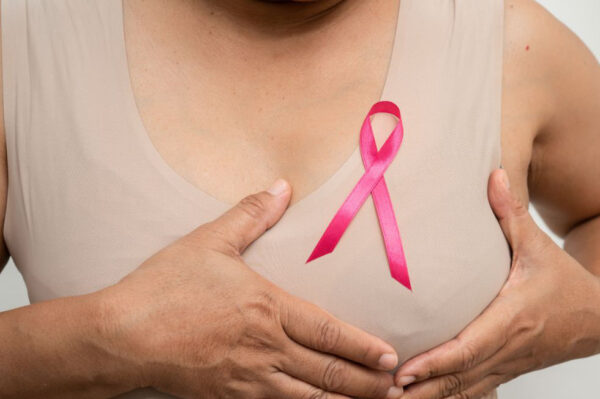
Women can support breast cancer early detection by getting to know how their breasts normally look and feel and reporting changes promptly. Warning signs include a new lump in the breast or armpit, changes in breast size or shape, dimpling or puckering of the skin, nipple discharge or a nipple that turns inward, and persistent pain in one area.
Clinical breast examination by a trained health worker is a practical screening tool where mammography is not widely available. Mammography is recommended for older women in many guidelines, and women with a strong family history may need earlier assessment.
Cost is often the deciding factor in whether a woman completes treatment. Health insurance registration, offered as part of the campaign, can reduce the financial burden, but many cancer medicines and radiotherapy sessions remain expensive or are only partly covered.
Organisers did not release screening figures from the campaign. The CCI TeleOncology Hub and its partners said the activities would continue, with breast cancer early detection and referral at the centre of their work in the region.
Why it matters: Most Nigerian women with breast cancer are diagnosed late, when treatment is harder and survival lower, so community detection saves lives.
Breast Cancer Screening in Nigeria: Where to Go and Costs Breast cancer screening in Nigeria confuses people for a simple reason: nobody tells you which test you need. A woman of 32 asks for a mammogram and is told she does not need one. A…
Researchers Study Aggressive Breast Cancer Among… YOLA, NIGERIA — Medical researchers and oncology specialists have initiated a targeted genetic study to investigate the high prevalence of aggressive breast cancer in young women across North-East Nigeria. Announced in Yola, Adamawa State, during…
Aid Cuts Push Millions Into Hunger in Northeast Nigeria Northeast Nigeria is facing a worsening humanitarian crisis as aid cuts by international donors intensify hunger and malnutrition across conflict-affected states like Borno, Adamawa, and Yobe. With over 4.4 million people projected to face acute…
North-East States Urged to Fund and Staff Sanitary… MAIDUGURI, NIGERIA — Stakeholders in Borno, Yobe and Adamawa states have called for more North-East sanitary inspection funding and staffing, saying weak environmental health agencies are failing to protect residents from unsafe food and poor…