ABUJA, NIGERIA — Disturbed by increasing reports of sudden collapse and premature mortality, Nigerian heart specialists have donated an Automated External Defibrillator (AED) to the University of Abuja and launched a national campaign for mandatory cpr training in nigeria.Spearheaded by the Nigerian Cardiac Society (NCS) and the Society for Public Health and Social Development (SPHSD), the initiative aims to build a nationwide network of certified citizen first responders during out-of-hospital cardiac emergencies.
Prof. Augustine Odili, immediate past President of the Nigerian Cardiac Society, emphasized at a World Restart a Heart Day event that equipping the general public with Basic Life Support skills is vital to curbing sudden deaths.Under its “Bring Back to Life” framework, the society has established accredited training curricula for hospitals, civil society organizations, workplaces, and religious institutions.
Emergency Readiness Benchmarks and CPR Training Metrics
Disclosures provided by medical leadership and campaign coordinators outline target parameters for public resuscitation programs:
Emergency Readiness Category
Project Scope & Clinical Parameters
Lead Sponsoring Bodies
Nigerian Cardiac Society (NCS) & Society for Public Health (SPHSD)
Public-Access AED Installation
University of Abuja Medical Centre (donated by Quest Villa Solutions)
Core Curriculum Target
Accredited Basic Life Support (BLS) & AED operation courses
Primary Prevention Focus
Early detection of uncontrolled hypertension & cardiovascular disease
Technical Mechanics of Cardiopulmonary Resuscitation and Defibrillation
Understanding why early bystander action is essential for cpr training in nigeria highlights key physiological resuscitation mechanics:
Cerebral Perfusion Maintenance: High-quality chest compressions manually squeeze the heart, preserving vital blood flow and oxygen supply to the brain during out-of-hospital cardiac arrest.
Ventricular Fibrillation Defibrillation: Automated External Defibrillators evaluate lethal cardiac rhythms and deliver targeted electrical shocks to reset chaotic heart electrical activity back to sinus rhythm.
Time-Critical Survival Windows: Permanent neurological injury begins within four to six minutes of cardiac arrest; immediate chest compressions double or triple a victim’s chance of survival.
Emergency Ambulance Constraints and Citizen Response Networks
Dr. Doris Maduka, Executive Director of SPHSD, stated that failing to initiate immediate chest compressions when someone collapses effectively forecloses survival before emergency personnel arrive.Given that municipal ambulance response times in urban centers remain constrained, bystanders represent the only effective link in the chain of survival during the initial critical minutes.
To bridge this gap, campaign leaders are expanding training workshops into high-density community hubs, including churches, mosques, universities, and commercial workplaces.Combining basic compression training with clear voice-prompted AED operation enables untrained citizens to administer life-saving interventions safely.
Cardiovascular Prevention, Hypertension Screening, and Primary Care
Beyond acute emergency resuscitation, cardiologists stressed that preventing sudden cardiac arrest requires managing underlying cardiovascular risks.Uncontrolled hypertension—which affects a large proportion of Nigerian adults—remains the leading driver of coronary artery disease, heart failure, and fatal strokes.
Vice-Chancellor Prof. Hakeem Fawehinmi commended the public-access defibrillator donation, noting that pairing public screening for high blood pressure, diabetes, and elevated cholesterol with widespread resuscitation skills offers a comprehensive defense against sudden cardiac mortality.
Why It Matters: Most victims of sudden cardiac arrest die before reaching a hospital; training ordinary citizens in CPR and placing public defibrillators in busy spaces gives collapse victims a real chance at survival.
Diabetes in Nigeria: Why Blood Sugar Control Fails Diabetes in Nigeria does not usually fail in the clinic. Among people who reach a specialist and stay in care, control is often reasonable. It fails in the years before anyone tests you, and it…
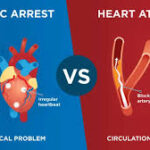
Heart Attack vs. Cardiac Arrest: Key Differences When it comes to heart-related emergencies, many people confuse heart attack and cardiac arrest—but they are not the same. Understanding the difference can save lives. Both conditions are medical emergencies, but they affect the heart…
Nigerian Diet for Diabetes: A Practical Guide to Eating Well A diagnosis of diabetes often comes with a long list of foods you are told to stop eating. Many people believe they must give up eba, rice, yam and plantain for ever. That is not…
Nutrition During Cancer Treatment: What to Eat and Why Cancer and its treatment place heavy demands on the body. Chemotherapy, radiotherapy and surgery all increase your need for energy and protein, while side effects such as nausea and mouth sores make eating harder. Good…