KOFORIDUA, GHANA — Ear, nose and throat (ENT) nurses in Ghana have called on the government to include them in its free primary healthcare policy, saying millions of people lack timely ear and hearing care because services are concentrated in major urban hospitals, Graphic Online reported on 27 October.
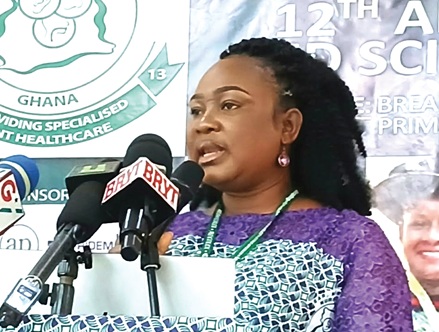
Esther Osei Birikorang, National Chairperson of the Ear, Nose and Throat Nurses Society, Ghana, made the appeal at the society’s 12th annual conference and scientific session in Koforidua, the Eastern Regional capital. The four-day meeting was held under the theme “Breaking Barriers, Building Systems: Advancing Primary Ear and Hearing Care for all in Ghana.”
Gaps in ear and hearing care
Birikorang questioned why ENT nurses had been left out of the policy despite their role in ENT care, and argued that inclusion would allow members to enjoy its full benefits. She said “millions of adults and children” in Ghana have unaddressed hearing loss, chronic otitis media and other preventable ENT conditions, although she did not give a precise figure.
She said essential ear and hearing services are concentrated in major urban hospitals, leaving rural and underserved communities without timely care, and cited shortages of equipment, screening tools and specialised workforce training as barriers.
Dr Ernest Konadu Ayisi Asiedu, Head of the Medical and Dental Programme at the Ministry of Health’s Technical Coordination Directorate, gave the keynote address. He assured members that “ENT issues would take center stage of the ministry” and urged the society to “work closely with the committee responsible for the guidelines of the free primary healthcare policy”.
Graphic Online’s report said the conference was held “yesterday, October 14, 2026”, which conflicts with its 27 October publication date. This edition reports the appeal as published on 27 October.
Birikorang’s appeal centres on recognition: ENT nurses want their role formally acknowledged so they can deliver services at primary care level and benefit from the policy. The conference theme, which calls for primary ear and hearing care “for all”, frames it as a basic service rather than a specialist one.
Why primary ear and hearing care matters
Hearing loss is one of the most common disabilities worldwide, and the World Health Organization estimates that a large share of childhood hearing loss can be prevented through measures such as immunisation, safe childbirth care and early treatment of ear infections. Chronic otitis media, a long-lasting infection of the middle ear that can cause discharge and hearing loss, is common in low-income settings and often goes untreated.
Unaddressed hearing loss in children can delay speech and language development and affect learning, while in adults it can limit employment and social participation. In older people, it has been linked to isolation and cognitive decline. Many of these effects can be reduced through early detection and simple interventions, including treatment of infections, removal of wax, hearing aids and referral for surgery when needed.
Bringing ear and hearing care into primary health care means training nurses and community health workers to screen newborns and children, examine ears, recognise infections and refer patients who need specialist treatment. ENT nurses already provide much of this care in hospitals and could support training and supervision at lower levels if they are formally included in primary care plans.
Equipment is a practical constraint. Otoscopes for examining ears, audiometers for testing hearing, and supplies for ear cleaning and dressing are often unavailable outside regional and teaching hospitals. Without them, early problems are missed until they become severe.
Common, treatable causes of hearing problems include impacted ear wax, middle ear infections and foreign bodies in the ear, which trained staff can manage at primary care level. More complex conditions, such as chronic infections that damage the eardrum, need specialist assessment and sometimes surgery.
Noise exposure is a growing cause of hearing loss among young people, through loud music, headphones and noisy workplaces, and can be prevented through awareness and hearing protection.
Newborn hearing screening, where available, allows hearing loss to be identified in the first weeks of life, when early support has the greatest effect on speech development.
Ghana’s free primary healthcare policy is intended to remove cost barriers to basic services. Advocates for ear and hearing care say including ENT services and the nurses who deliver them would help the policy reach a group of conditions that are common, disabling and largely preventable.
The Ministry of Health did not give a timeline for considering the society’s request, according to the report, and the policy guidelines committee had not publicly responded.
Why it matters: Untreated ear infections and hearing loss harm learning and livelihoods, so primary care must include trained ENT nurses and basic equipment.
Ghana Warns Fake HIV Cures on TikTok Are Pulling… KOFORIDUA, GHANA — Public health officials in Ghana's Eastern Region have issued an urgent warning regarding viral social media claims, cautioning that fake hiv cures on tiktok in ghana are inducing patients to abandon lifesaving…
Nigeria Health Watch Hosts Abuja Conference on… ABUJA, NIGERIA — Nigeria Health Watch is hosting its 2026 Future of Health Conference in Abuja on Thursday, bringing together health leaders, policymakers, researchers and investors to discuss how to scale proven health innovations, Premium…
Lassa Fever Warning Signs: Early Action Saves Lives Lassa fever is a viral illness that is found in West Africa, and Nigeria reports more cases than any other country. Each year, outbreaks peak during the dry season, from about December to April. In…
Breast Cancer Screening in Nigeria: Where to Go and Costs Breast cancer screening in Nigeria confuses people for a simple reason: nobody tells you which test you need. A woman of 32 asks for a mammogram and is told she does not need one. A…