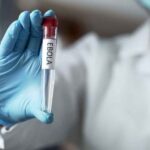
ACCRA, GHANA — Ghana’s Health Minister Kwabena Mintah Akandoh has urged the public not to panic, saying Ebola preparedness in Ghana includes thermal scanners at the airport, electronic health declaration forms, laboratory testing and an infectious disease treatment centre, Citi Newsroom reported on 28 October.
“We are praying we don’t record any case, but if we do, we are ready to do the needful. So we should not be afraid,” Akandoh said during a visit to Kotoka International Airport on Wednesday.
Measures behind Ebola preparedness in Ghana
Thermal scanners have been installed at the airport, and electronic health declaration forms have been reviewed and amended. Passengers arriving through Ghana’s airports will be required to complete them, which officials say will aid screening and contact tracing.
The Ministry of Health said last week that Kenya posed a significant risk to Ghana because of direct flights and passenger volumes, and that travellers from affected areas would have their health monitored for 21 days during their stay. It has run simulation exercises at the airport and at the Ghana Infectious Disease Centre, MyJoyOnline reported on 21 October.
Ghana is also strengthening laboratory capacity to test suspected cases, the minister said, citing the Kumasi Centre for Collaborative Research in Tropical Medicine (KCCR) and the national reference laboratory. An infectious disease treatment centre is available to isolate and manage patients if a case is confirmed.
The Kumasi Centre for Collaborative Research in Tropical Medicine is a research institute linked to the Kwame Nkrumah University of Science and Technology. Fast confirmation matters: in Nigeria, laboratory tests confirmed the case within a day of health officials being alerted, allowing contact tracing to begin quickly.
The Ghana Health Service (GHS) has run about three simulation exercises since concerns emerged, Director-General Dr Samuel Kaba Akoriyea told Joy News on 26 October, according to a report on Ghanamma. He said the Public Health Emergency Operations Centre at Pantang operates around the clock and about 33 institutions are involved, including the Food and Drugs Authority, the National Disaster Management Organisation and the Ghana Armed Forces. The GHS has held talks with health authorities in Burkina Faso and Côte d’Ivoire on information sharing.
Akoriyea said on 26 October that Ghana remained in the preparedness stage, two days before the minister’s airport visit, and that preparations began after reports of the outbreak in the Democratic Republic of the Congo.
Pressure from Parliament
The minister’s assurance follows calls from Dr Kingsley Agyemang, a member of Parliament’s Health Committee, for urgent assessment of isolation centres, stronger land border surveillance and a public account of emergency preparedness funds. Agyemang warned that Ghana “must not wait for its first confirmed Ebola case” to find gaps.
Ebola preparedness in Ghana is being tested against a regional backdrop. Nigeria confirmed an imported case on 20 October, and its patient has since been evacuated to Switzerland. Kenya has nine confirmed cases, including two deaths, and the Democratic Republic of the Congo has passed 10,000 confirmed cases. Ghana has recorded no Ebola case.
Airport screening can catch travellers who already have a fever, but it cannot detect people who are infected and not yet showing symptoms. That is why health declaration forms, which allow officials to trace travellers later, and alert clinicians in hospitals and clinics are as important as scanners. In Nigeria, the patient passed through two private clinics before Ebola was diagnosed.
Ebola symptoms typically appear between 2 and 21 days after exposure and begin with fever, severe headache, extreme fatigue, sore throat and chills, which can be mistaken for malaria. The ministry has advised anyone who develops symptoms after travel to affected areas to seek care promptly and disclose their travel history, and urged the public to rely on official information rather than rumours.
Ghana recorded no confirmed cases during the 2014 to 2016 West African epidemic, which hit Guinea, Liberia and Sierra Leone hardest. Keeping that record will depend on Ebola preparedness in Ghana reaching district hospitals and clinics as well as the airport, because travellers who develop symptoms after arrival are likely to seek care close to home.
The minister did not give details of how many isolation beds are available nationally or how much funding has been released for the response.
The airport visit allowed the minister to inspect screening equipment in person. Kotoka is Ghana’s main international gateway, which makes it central to Ebola preparedness in Ghana, alongside busy land borders with Togo, Côte d’Ivoire and Burkina Faso, where screening is harder to maintain.
Why it matters: Scanners alone cannot stop Ebola, so Ghana’s readiness depends on traceable travellers, alert clinics and funded isolation centres.
Ghana Steps Up Airport Ebola Screening After Kenya,… ACCRA, GHANA — The Ministry of Health (MoH) has activated heightened biosecurity surveillance, declaring that ghana steps up airport ebola screening across all ports of entry following confirmed viral importations in Kenya and Nigeria. Disclosing…
Ghana MP Demands Proof of Ebola Preparedness, Urges… ACCRA, GHANA — Challenging health authorities to demonstrate operational readiness following regional outbreak reports, ghana mp demands proof of biosecurity preparedness and transparent accounts of health emergency allocations. In a formal press statement issued in…
Coping With Panic Attacks: 6 Steps That Calm Your Body Fast Your heart pounds, your chest tightens and you are suddenly sure that something terrible is about to happen. Many people who rush to hospital convinced they are having a heart attack are in fact having…
All You Need To Know About Anxiety Are you anxious? Maybe you are disturbed about a particular problem. Maybe you have butterflies in your stomach while waiting for the results of a medical test. Maybe you get nervous when driving home in…