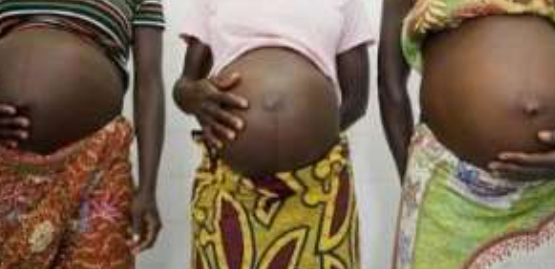
ACCRA, GHANA — Health facilities across Ghana recorded 53,415 teenage pregnancies between January and July 2026, according to clinical data released by the Ghana Health Service. Detailed in the ghana adolescent pregnancy report, the findings reveal a major public health and social protection challenge, averaging over 7,000 teenage pregnancy registrations each month across the country’s 16 administrative regions.
Most alarmingly, 1,501 cases involved young girls aged 10 to 14 years—a group under Ghana’s statutory age of consent, highlighting grave child protection concerns. Meanwhile, adolescents aged 18 to 19 accounted for 28.2 percent of all recorded cases, while those aged 15 to 17 represented 8.1 percent of total facility registrations.
Epidemiological Breakdown & Age Group Demographics
The national data highlights age-stratified pregnancy distribution and child protection priorities:
Age Group & Case Volume
Public Health Focus
Ages 10–14 (1,501 cases)
Legal protection & pediatric care
Ages 15–17 (~4,326 cases)
School retention & antenatal access
Ages 18–19 (15,063 cases)
Family planning & economic support
Total (53,415 cases)
Multi-sectoral “Safety Net” rollout
Expanding the Ghana Adolescent Pregnancy Report Mandate Through Safety Net Reforms
Addressing findings from the ghana adolescent pregnancy report requires multi-agency cooperation across health, education, and social protection sectors. In response to the high caseloads, the Ghana Health Service is scaling its “Safety Net” initiative across all 16 regions. Operated in partnership with the Ghana Education Service, the initiative combines antenatal clinical care, mental health counseling, sexual health education, and formal school re-entry support for young mothers.
So far in 2026, public health teams have reached over 310,000 adolescents with age-appropriate reproductive health education while providing direct maternal care to 54,000 pregnant teenagers. Health leaders emphasize that combining clinical services with community education and legal enforcement is essential to reducing maternal mortality, preventing early childbearing, and protecting vulnerable young girls nationwide.
Why It Matters: Comprehensive tracking of adolescent pregnancies enables targeted reproductive healthcare, educational support, and community interventions to protect young girls and reduce maternal health complications across Ghana.
Empowering Girls' Health and Well-being Through… In a world increasingly driven by technology, this article delves into the remarkable potential of digital platforms and mobile applications to uplift the health and well-being of girls. This exploration goes beyond the surface to…
The Art of Consent: Healthy Relationships When it comes to sexual health and relationships, one of the most important but often overlooked topics is consent. Healthy relationships are built on mutual respect, trust, and clear communication—and understanding boundaries plays a central…
Understanding Human Papillomavirus (HPV) and Its… Human Papilloma Virus (HPV) is a significant public health concern among young girls in Nigeria. The rising cases of HPV infection and cervical cancer in the country are alarming, highlighting the urgent need for awareness,…
Condoms and education are key to safe sex in Africa Sexual health is a vital part of overall wellbeing, yet across Africa millions of people continue to face challenges related to sexually transmitted infections (STIs) and unintended pregnancies. According to the World Health Organization (WHO),…