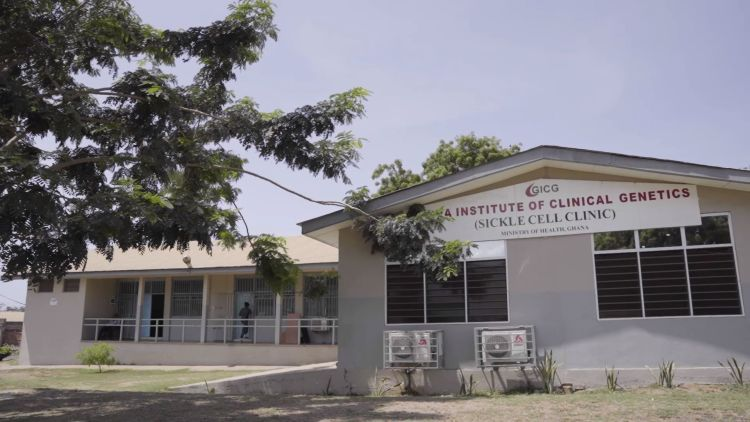
ACCRA, GHANA — Facing growing patient volume and limited operational hours, a leading medical facility in Accra has issued an urgent appeal for infrastructure expansion, modern diagnostic equipment, and dedicated staffing. The sickle cell institute ghana relies on—the Ghana Institute of Clinical Genetics at Korle Bu Teaching Hospital—currently operates only as a daytime outpatient clinic, leaving patients without dedicated emergency care after mid-afternoon.
Since opening in 1974, the institute has treated over 27,000 individuals living with sickle cell disease. However, operating strictly from 8:00 AM to 3:00 PM without inpatient beds forces patients who experience acute pain crises at night to seek care in general emergency wards.
Service Limits at the Sickle Cell Institute Ghana
Dr. Amma Benneh-Akwasi Kuma, Director of the West African Genetic Medicine Centre, highlighted that while staff effectively manage acute pain crises during daytime hours, round-the-clock clinical capacity is urgently required to prevent treatment delays.
Resource Needs
Operational Focus & Public Health Impact
Annual Infant Cases
~18,000 babies born with sickle cell disease annually in Ghana (2% of births)
Early Mortality Risk
50% to 90% die before age 5 without early screening and management
Inpatient Capacity
0 beds currently; outpatient services close daily at 3:00 PM
Priority Equipment
High-performance chromatography for precise diagnosis and drug monitoring
Infrastructure Demands for Sickle Cell Institute Ghana
To bridge the gap in specialized care, leadership at the sickle cell institute ghana has outlined four immediate investment priorities to support long-term management:
Inpatient Facility Expansion: Constructing dedicated wards and clinical rooms to run 24-hour emergency admissions and specialized clinics.
Diagnostic & Monitoring Tools: Procuring high-performance liquid chromatography equipment to monitor patients on disease-modifying therapies like hydroxyurea.
Psychosocial & Community Support: Hiring a full-time psychologist to treat disease-related depression and securing a vehicle for community outreach and home visits.
Addressing High Childhood Mortality and Systemic Gaps
Sickle cell disease causes red blood cells to curve and block blood vessels, leading to severe pain crises, organ damage, and dangerous infections. While routine vaccinations, prophylactic penicillin, and hydroxyurea allow many patients to reach adulthood, these interventions require continuous clinical monitoring. Expanding dedicated emergency access ensures that life-threatening complications are caught early by experienced specialists rather than overcrowded general wards.
Why It Matters: With 18,000 Ghanaian infants born with sickle cell disease every year, expanding the country’s primary specialized center into a 24/7 facility is vital to reducing under-five mortality and emergency complications.
Sickle Cell Pain Crisis: Triggers, Home Care and Red Flags Nigeria has more people living with sickle cell disease than any other country, and about 150,000 babies are born with the condition here every year. For most of them, the defining experience is pain. A…
Chronic Pain Management in African Women: A… Chronic pain, characterized by persistent discomfort lasting for more than three to six months, is a global health challenge that affects millions of individuals. In the context of Africa, chronic pain poses unique considerations, and…
Acute vs Chronic Pain: Key Differences and Why They Matter Pain is something everyone experiences, but not all pain is the same. Many people confuse acute pain—the short-term type—with chronic pain, which can last for months or even years. Understanding the difference is not just…
Pain Management in Nigeria: Challenges and Solutions Introduction Pain is one of the most common health problems affecting millions of people worldwide, and Nigeria is no exception. From arthritis and back pain to cancer-related pain and sickle cell crises, many Nigerians live…