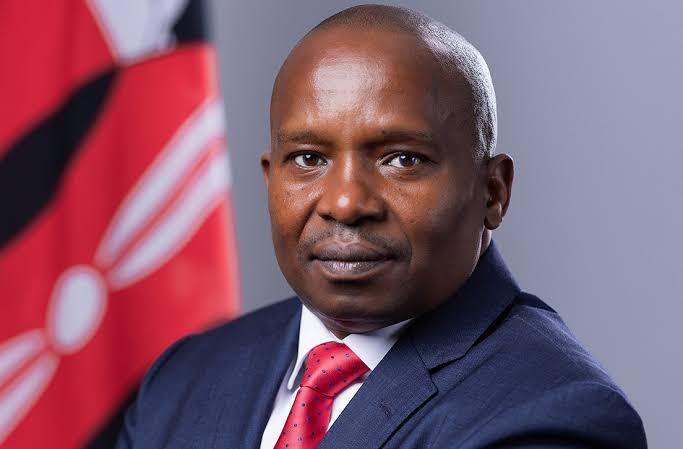
NAIROBI, KENYA — In a major policy shift, the Government of Kenya has formally reclassified the illicit manufacturing, distribution, sale, and consumption of adulterated alcohol as a syndicate threat, declaring that kenya classifies illicit alcohol as organized crime alongside terrorism and banditry. Unveiling the security directive following a multi-agency review meeting in Karen, Deputy President Kithure Kindiki announced the immediate establishment of a permanent administrative secretariat at Harambee House to drive intelligence-led enforcement nationwide.
Designating illicit brews and substance abuse among the nation’s top three structural threats, federal authorities warned that counterfeit spirits and toxic chemical adulteration risk erasing decades of socio-economic development gains.
Operational Benchmarks for Kenya Classifies Illicit Alcohol
Data compiled from the Executive Office of the Deputy President, NACADA, and law enforcement directives highlight the national enforcement scope:
Security & Policy Category
National Public Health Benchmarks
National Security Status
Classified as Organised Crime (equivalent to terrorism & banditry)
Command Secretariat
Permanent hub established at 6th Floor, Harambee House, Nairobi
Technical Mechanics: Kenya Classifies Illicit Alcohol
Understanding the legislative and enforcement strategy behind why kenya classifies illicit alcohol as organized crime highlights critical public health principles:
Inclusion of Asset Forfeiture Frameworks: Planned legislative amendments establish stringent statutory penalties for the entire supply chain—including financiers, ethanol importers, and property owners. Proceeds recovered through court-ordered asset seizures will be directly ring-fenced to fund public addiction rehabilitation centers.
Controlling Industrial Ethanol Intermediates: Illicit spirit production relies heavily on diverted industrial ethanol. By coordinating intelligence between the Kenya Revenue Authority (KRA) and the Directorate of Criminal Investigations (DCI), security teams target bulk chemical distributors to disrupt processing before retail distribution.
Mitigating Acute Methanol Toxicity Risks: Chemically adulterated spirits frequently contain toxic levels of industrial methanol ($CH_3OH$). Ingestion triggers metabolic acidosis, severe optic neuropathy causing permanent blindness, and central nervous system depression leading to rapid fatal organ failure.
Multi-Agency Coordination, Legal Safeguards, and Enforcement
The newly inaugurated secretariat brings together 11 key statutory entities—including the National Police Service, National Intelligence Service (NIS), Ethics and Anti-Corruption Commission (EACC), Ministry of Health, and accredited alcohol manufacturing associations. Deputy President Kindiki emphasized that security agencies will execute intelligence-led operations without political interference, reassuring compliant, licensed distillers that the crackdown targets illicit networks rather than legitimate businesses.
Simultaneously, the National Authority for the Campaign Against Alcohol and Drug Abuse (NACADA) has escalated field destructions, recently disposing of over 29,000 liters of confiscated illicit brews in Kiambu County.
Public Health System Support, Rehabilitation, and Outlook
Public health experts stress that long-term success requires pairing aggressive supply reduction with sustained demand mitigation. While law enforcement dismantles illicit supply chains, scaling up state-funded medical treatment facilities remains critical to address chronic liver disease, neurological degeneration, and addiction across vulnerable communities.
As draft penal statutes proceed to Parliament, channeling confiscated asset funds into accessible rehabilitation infrastructure will determine whether Kenya can permanently break the cycle of substance toxicity under the framework where kenya classifies illicit alcohol as organized crime.
Why It Matters: Classifying adulterated alcohol as organized crime allows the state to seize criminal assets and redirect funds toward addiction treatment, directly linking law enforcement with public health recovery.
Childhood Verbal Abuse: A Long-lasting Impact on… Childhood verbal abuse, often overlooked but with profound consequences, is gaining attention from experts. This form of abuse, characterized by yelling and threats from parents or caregivers, can lead to enduring emotional and mental health…
Alcohol Use Disorder Signs: When Drinking Becomes a Problem Drinking is part of many social events in Nigeria. Weddings, burials, birthdays and evenings with friends often involve beer, palm wine or spirits. For most people, drinking stays occasional. For some, it slowly grows into…
Rwanda Reports 80 Percent Drop in Alcohol-Linked… KIGALI, RWANDA — Emergency room admissions for violence and trauma linked to illicit high-strength drinks have dropped by 80 percent across national health facilities following a government enforcement drive against unlicenced distilleries. Presenting findings to…
Diabetes in Nigeria: Why Blood Sugar Control Fails Diabetes in Nigeria does not usually fail in the clinic. Among people who reach a specialist and stay in care, control is often reasonable. It fails in the years before anyone tests you, and it…