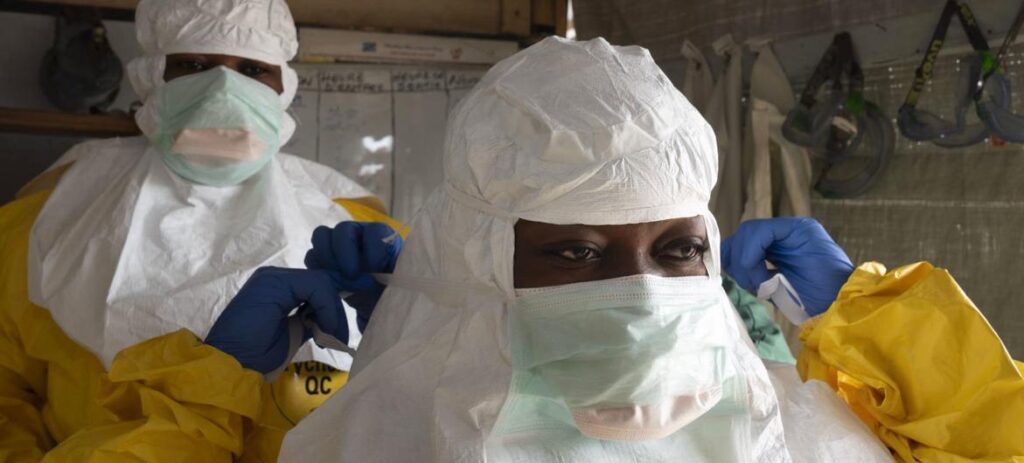
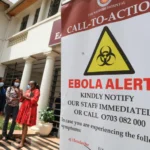
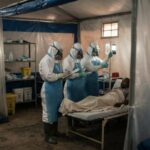
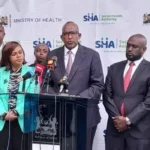
NAIROBI, KENYA — Marking a major milestone in public health containment, kenya releases first 20 contacts of its initial imported Ebola case after they successfully completed 21 days of mandatory isolation. According to official updates released by the World Health Organization (WHO) and the Ministry of Health, the discharged individuals underwent comprehensive clinical screening, post-discharge safety counseling, and psychosocial evaluation before returning to their communities.
Director-General for Health Dr. Patrick Amoth confirmed that 98 contacts remain under structured surveillance, appealing directly to the public to welcome the discharged citizens without social stigma.
Operational Benchmarks for Kenya Releases First 20
Data released by the Ministry of Health, the Kenya National Public Health Institute (KNPHI), and WHO detail current containment parameters:
Outbreak Containment Category
National Public Health Benchmarks
Contacts Released From Quarantine
20 contacts discharged following 21 symptom-free days
Remaining Quarantined Contacts
98 contacts monitored across four structured discharge phases
42 consecutive days without new cases required for declaration
Technical Mechanics: Kenya Releases First 20
Understanding the biosecurity and field epidemiology principles behind why kenya releases first 20 contacts after 21 days involves examining incubation windows, diagnostic monitoring, and stigma reduction:
The 21-Day Biological Incubation Limit: The incubation period for Bundibugyo ebolavirus ranges between 2 and 21 days. Individuals who remain completely asymptomatic throughout the full 21-day window pose zero viral transmission risk to family members or the broader community, allowing safe reintegration.
Phased Quarantine Discharge Protocols: The remaining 98 contacts will be discharged in four sequential waves starting in early November, based on individual exposure dates. Contacts who developed fever or systemic symptoms while in quarantine were immediately isolated and transferred to the primary Ebola treatment center in Nairobi for diagnostic testing.
Preventing Social Stigma and Ensuring Tracing Compliance: Discrimination against former contacts or recovered patients threatens epidemic containment by discouraging newly identified exposed individuals from cooperating with contact tracers. Providing mental health counseling and public reintegration appeals ensures ongoing community participation.
Genomic Tracing, Molecular Surveillance, and WHO 7-1-7 Timelines
Targeted molecular sequencing of clinical samples conducted by national reference laboratories confirmed that the outbreak strain belongs to the Bundibugyo ebolavirus lineage originating in the Democratic Republic of the Congo (DRC). Epidemiologists are applying the WHO 7-1-7 global framework—aiming to detect suspected outbreaks within 7 days, notify public health authorities within 1 day, and deploy effective response measures within 7 days.
Genomic data also connects the Kenyan cluster to West Africa. Comparative sequencing revealed that Nigeria’s single confirmed Ebola case in Abuja differs from Kenya’s index patient by only one mutation, after both patients transited Uganda’s Entebbe International Airport on October 3.
Public Health Logistics, Supportive Care, and Outbreak Outlook
Because no licensed vaccine or specific antiviral therapeutic currently exists for the Bundibugyo ebolavirus species, the WHO and the Ministry of Health continue to emphasize early clinical supportive care—including intravenous fluid rehydration, electrolyte balancing, and symptom management—to improve patient survival rates.
The WHO advises against imposing international travel or trade restrictions on Kenya. The official 42-day outbreak countdown will commence only after the remaining seven active patients test negative twice (24–48 hours apart) or receive safe and dignified burials as kenya releases first 20 contacts back to their homes.
Why It Matters: Safely releasing contacts after 21 days and combating social stigma ensures high public cooperation with contact tracing teams, which remains the single most effective barrier against community transmission.
Kenya’s Ebola Cases Reach Nine, All Within One… NAIROBI, KENYA — The Ministry of Health has confirmed a ninth case of Ebola in a 24-year-old man who was already under strict quarantine, reaffirming that all ebola cases in kenya remain strictly confined to…
Kenya Says Ebola End Within Reach NAIROBI, KENYA — As kenya says ebola end within reach following zero reported secondary infections in recent testing rounds, health authorities in Nairobi are preparing to discharge the first cohort of quarantined contacts on October…
Kenya Records Second Ebola Death as First Contacts Near Home NAIROBI, KENYA — As kenya records second ebola fatality amid ongoing isolation measures in Nairobi, public health officials have confirmed the death of a 65-year-old female patient linked to the country’s original index case. Announcing…
NCDC Says Allowance Followed Threats by Contacts to… Nigeria’s disease control agency began paying ₦100,000 a week to Ebola contacts in quarantine after some of them threatened to leave, and the payment was neither planned nor budgeted, the Director-General of the Nigeria Centre…