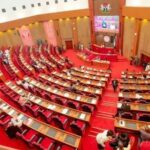
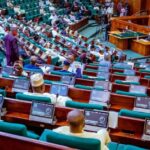
ABUJA, NIGERIA — The House of Representatives has advanced a bill that proposes fines, licence suspension and licence withdrawal for hospitals that delay emergency treatment, along with criminal sanctions for health workers who abandon emergency patients, Premium Times reported on 4 November.
The bill, which also seeks to amend the National Health Act, 2014, is sponsored by Akin Rotimi (APC, Ekiti), the House spokesperson. It passed second reading on Wednesday, and Deputy Speaker Benjamin Kalu referred it to the House Committee on Health Services.
“In a medical emergency, time is the difference between life and death,” Rotimi said. He said Nigerians “continue to lose their lives or suffer preventable complications” because of delays, which he linked to administrative bottlenecks and “demands for payment before treatment.”
How licence withdrawal for hospitals would work
Under the proposal, facilities that refuse, delay or obstruct emergency treatment would face financial penalties and the suspension of their operating licences. Repeat or serious violations could lead to closure or licence withdrawal for hospitals, according to Premium Times.
Health workers who deliberately refuse to attend to emergency patients, or who abandon them, would face criminal sanctions and professional disciplinary proceedings. Where a violation results in injury, disability or death, the facility could be ordered to pay civil compensation.
The bill includes protection for staff. Health workers who act in good faith, document resource limitations and follow referral procedures would be shielded from liability, a provision intended to separate negligence from situations where a hospital simply lacks beds, equipment or staff.
Hospital owners and professional bodies are likely to scrutinise how the sanctions would be applied. Questions include who would investigate complaints, how quickly a licence could be suspended, and how a facility could appeal, since licence withdrawal for hospitals is among the heaviest penalties a regulator can impose.
The same clock as the Senate bill
The House bill sets timelines that closely match a Senate bill passed for second reading on the same day. Triage would take place within 15 minutes of arrival and basic stabilisation within 30 minutes, with life-saving interventions beginning immediately once a life-threatening condition is identified. Trained and certified nurses could carry out triage when a doctor is not available.
Patients needing admission would be assigned a bed within two hours. If no bed is available, stabilisation and referral would begin within two hours of arrival or immediately after stabilisation. Transport would have to be arranged within 30 minutes of a referral decision, and transfer completed within three hours, unless circumstances beyond the facility’s control prevent it.
Emergency health workers would be trained and certified at intervals of no more than 18 months, and the Medical and Dental Council of Nigeria and the Nursing and Midwifery Council of Nigeria would jointly develop a standard national emergency care curriculum.
Who pays for emergency care?
During the debate, Chinedu Ogah (APC, Ebonyi) supported the bill but called for emergency care to be linked to National Health Insurance coverage, so that patients are not asked to pay deposits before they are treated. Makki Yalleman (APC, Jigawa) seconded his contribution.
The question of payment sits at the heart of the problem. Most Nigerians pay for health care out of pocket, and many hospitals ask for a deposit before admitting a patient. A person brought in after a road crash, or with a heart attack or stroke, may arrive without money, identification or relatives.
Emergencies such as heart attacks and strokes are also time sensitive in a different way. Every minute without treatment can mean more damage to the heart or brain, so delays at the hospital door can cause permanent disability even when the patient survives.
Health financing experts have long argued for an emergency care fund that reimburses hospitals for treating patients in the first hours, regardless of whether they are insured. The National Health Insurance Authority Act, 2022 provides for coverage of vulnerable groups, and the Basic Health Care Provision Fund includes an emergency medical treatment component, but awareness and payment to hospitals have been limited.
Supporters of the bill say penalties will force hospital managers to take emergency duties seriously. Critics caution that licence withdrawal for hospitals could reduce access in areas with few facilities, and that the bill must be matched with funding for ambulances, emergency units and reimbursement.
The bill will now be considered by the Committee on Health Services, which is expected to hold a public hearing. The House and Senate versions will then need to be harmonised before final passage.
Why it matters: Penalties may make hospitals act faster, but without emergency funding and insurance links, patients will still be asked to pay first.
Senate Proposes Jail Term for Hospitals That Delay… ABUJA, NIGERIA — Nigeria’s Senate has passed for second reading a Senate emergency treatment bill that would punish hospitals and health workers who delay care for emergency patients with up to six months in prison or…
Normal Blood Pressure Reading: What Your Numbers Mean You have two numbers and no idea what they mean. Worse, you searched them and found an American page telling you that 134 over 86 is Stage 1 hypertension, while your doctor in Lagos looked…
House of Representatives Opens Probe of N10bn Ebola… ABUJA, NIGERIA — Nigeria’s House of Representatives has opened an Ebola emergency fund probe to examine how the N10 billion released for containment was managed, how federal agencies coordinated and how prepared the 36 states…
Nigeria’s Senate Advances Bill to Decriminalise… ABUJA, NIGERIA — The Senate of Nigeria has passed the Suicide Prevention Bill, 2024 (SB 730) through its second reading, advancing legislation that seeks to treat attempted suicide in nigeria as a medical emergency rather…