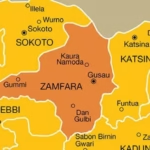
ABUJA, NIGERIA — The diphtheria epidemic expanding across eight Nigerian states has exposed severe systemic health vulnerabilities. Key deficiencies include inadequate cold chain storage, weak disease surveillance, low immunisation awareness, and fractured coordination between federal and state authorities. The escalation of this nigeria diphtheria outbreak response is exemplified by Zamfara State, which has emerged as the epicenter with 44 confirmed deaths, 367 clinically suspected cases, and 320 treated patients, demonstrating high transmission intensity alongside healthcare facility overload.
Geographic spread stretching from Kano to Sokoto points to regional transmission fueled by insufficient infection control in primary care settings. National vaccination coverage stands at just 60 percent, leaving large rural and urban populations vulnerable. Unvaccinated individuals account for roughly 68 percent of confirmed cases, while secondary household transmission highlights a lack of isolation protocols and personal protective equipment for healthcare workers.
Epidemiological Indicators & Systemic Bottlenecks
Data across affected regions highlights severe transmission dynamics and critical resource shortfalls:
Surveillance Focus
Outbreak Metrics & Regional Burden
Health System Bottleneck
Zamfara State Impact
367 suspected cases, 44 deaths (12% CFR)
Hospital bed capacity & treatment overload
Regional Spread
8 northern states (Kano to Sokoto)
Inadequate infection control in primary care
Vaccination Gap
60% national coverage (~40% vulnerable)
Fragmented cold chain & distribution networks
Case Susceptibility
68% of confirmed cases in unvaccinated patients
Insufficient household isolation & lack of PPE
Accelerating the Nigeria Diphtheria Outbreak Response Through Systemic Reform
Addressing the nigeria diphtheria outbreak response requires immediate operational interventions alongside structural governance reforms. Public health authorities recommend executing mass vaccination campaigns targeting school-age children and establishing mandatory DPT/pentavalent immunisation requirements for school enrollment. High-burden local government areas require dedicated hospitalization facilities equipped with diphtheria antitoxin supplies and specific therapeutics.
To ensure long-term containment, federal and state agencies must unify response strategies, train healthcare workers on early case identification, and expand local laboratory diagnostic capacity. Eliminating out-of-pocket payment barriers, securing equitable vaccine distribution, and reinforcing cold chain infrastructure are essential to maintaining vaccine potency from manufacturer to patient. Ultimately, the crisis underscores that vaccine-preventable outbreaks in Nigeria stem from administrative and logistics failures rather than technical limitations.
Why It Matters: Diphtheria spread across eight states indicates systemic health governance gaps requiring a comprehensive federal response, vaccine infrastructure investment, and coordinated immunisation acceleration to prevent further mortality.
Nigeria Faces Diphtheria Crisis as Immunisation… PLATEAU STATE, NIGERIA — Plateau State is confronting a critical diphtheria epidemic, recording 148 suspected cases and 25 deaths as of early September 2026. This surge highlights severe immunisation gaps across northern regions, driving a…
Diphtheria Symptoms and Vaccination: Lessons From… Diphtheria was once a leading cause of death among children worldwide. Vaccination made it rare in many countries. However, Nigeria has faced large diphtheria outbreaks since 2022, mainly in northern states, with thousands of confirmed…
Zamfara Confirms Dengue Fever Outbreak as Deaths Rise to 46 GUSAU, NIGERIA — The Zamfara State Government has confirmed that a Zamfara dengue fever outbreak caused an illness that has killed 46 people in Shinkafi, Moriki and nearby communities, with 366 suspected cases recorded, AIT reported…
Nigeria's Struggle to Contain Severe Diphtheria Outbreak Northern Nigeria grapples with a harrowing diphtheria outbreak, the most devastating in the nation's history, as hundreds of lives succumb to this perilous disease since the year began. Among the afflicted, a 10-year-old girl lies…