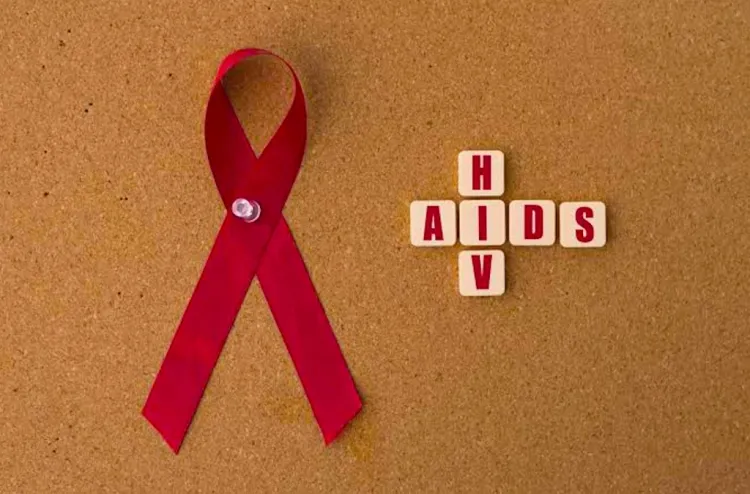
JOS, NIGERIA — Facing a steep drop in international aid and the planned exit of a long-standing technical partner, Plateau State is drafting a five-year transition framework to safeguard healthcare access. The state-led strategy aims to maintain uninterrupted hiv treatment in plateau state as external donor funding scales back across West Africa.
The transition plan comes as APIN Public Health Initiatives prepares to step down after supporting state HIV prevention, testing, and treatment programs for nearly 25 years. Government stakeholders are evaluating sustainable local financing options to maintain clinical capacity.
Program Scale and HIV Treatment in Plateau State
Data presented by the Plateau State Ministry of Health emphasizes the extensive reach required to sustain clinical outcomes across the region:
Program Benchmark
Epidemic Profile & Healthcare Scale
People Living with HIV
51,370 individuals identified across Plateau State (as of late 2025)
Active Treatment Cohort
48,891 patients on ART (47,056 adults and 1,835 children receiving lifelong therapy)
Annual Disease Burden
2,786 new infections and 460 HIV-related deaths recorded in 2024
Regional Aid Shift
50% drop in health aid across Africa (from $26B in 2021 to $13B in 2025)
Local Financing Strategies for HIV Treatment in Plateau State
To avoid treatment interruptions that cause viral rebound, drug resistance, and increased mortality, state officials are restructuring hiv treatment in plateau through two core policy mechanisms:
Health Insurance Integration: Incorporating routine HIV care, viral load testing, and counseling into the Plateau State Health Insurance Scheme (PLASCHEMA).
Local Pharmaceutical Procurement: Sourcing generic antiretroviral (ARV) drugs from certified domestic manufacturers to minimize foreign exchange risks and import delays.
Primary Healthcare Integration: Transitioning donor-funded laboratory networks, data reporting systems, and clinical staff directly onto state payrolls.
Navigating National Transition Models and Care Continuity
Plateau’s transition aligns with the National HIV and AIDS Strategic Plan 2026–2030, which pushes states toward financial self-reliance. Because daily adherence to antiretroviral therapy is required to maintain viral suppression, state health managers are prioritizing user-fee waivers so that low-income patients can collect monthly prescriptions without out-of-pocket costs.
Why It Matters: Over 48,000 people in Plateau rely on daily antiretroviral therapy; building a self-sustaining local funding model is critical to prevent fatal care disruptions as international aid exits.
Plateau Estimates 11,000 TB Cases This Year as… JOS, NIGERIA — Health authorities in Plateau State estimate that approximately 11,000 people will contract tuberculosis in plateau state in 2026, as ongoing pharmaceutical supply chain disruptions and insecurity hinder disease containment across North-Central Nigeria.…
US Aid Freeze Sparks Humanitarian Crisis in Nigeria Abuja, Nigeria – Nigeria’s already fragile healthcare system faces a new crisis as the United States government freezes health support funding and the World Food Programme (WFP) announces the closure of critical nutrition clinics in…
Aid Cuts Push Millions Into Hunger in Northeast Nigeria Northeast Nigeria is facing a worsening humanitarian crisis as aid cuts by international donors intensify hunger and malnutrition across conflict-affected states like Borno, Adamawa, and Yobe. With over 4.4 million people projected to face acute…
Plateau Revitalises 105 Primary Health Centres,… JOS, NIGERIA — Executive health authorities in Plateau State have launched a comprehensive health system expansion, confirming that plateau revitalises 105 primary health centres alongside approving the immediate recruitment of 1,300 clinical and administrative health…