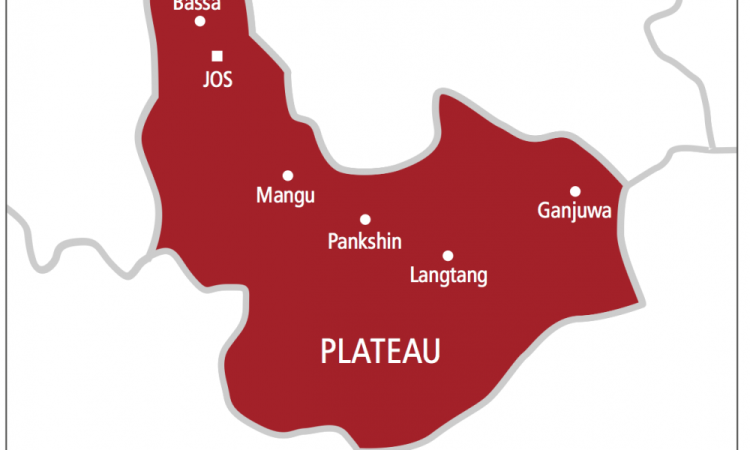
JOS, NIGERIA — Health authorities in Plateau State estimate that approximately 11,000 people will contract tuberculosis in plateau state in 2026, as ongoing pharmaceutical supply chain disruptions and insecurity hinder disease containment across North-Central Nigeria.Speaking at a media advocacy meeting on community-led health monitoring in Jos, Yohanna Bot, Monitoring and Evaluation Officer for the Plateau State Tuberculosis and Leprosy Control Programme, disclosed that healthcare workers identified and placed 2,047 patients on treatment between July and September 2026.
The state’s epidemiological projection is calculated from a baseline prevalence rate of 219 cases per 100,000 residents. Bot identified severe malnutrition, advancing age, immune suppression, internal displacement, and high HIV co-infection rates as key factors accelerating transmission.
Outbreak Benchmarks and Tuberculosis in Plateau State
Data provided by state tuberculosis control officers and community monitoring groups highlights the scale of the crisis:
Clinical Benchmark Category
Regional Metric & Epidemiological Parameters
Annual Case Projection
~11,000 tuberculosis cases estimated across Plateau State in 2026
Q3 Case Detection Target
2,047 patients placed on treatment (July to September 2026)
State Prevalence Baseline
219 cases per 100,000 population
Priority High-Risk Areas
Mangu, Jos South, and Barkin Ladi Local Government Areas
Transmission Mechanics and Tuberculosis in Plateau State
Understanding the operational barriers affecting tuberculosis in plateau state underscores why donor reliance poses a severe public health risk:
Airborne Transmission Dynamics: Active pulmonary tuberculosis spreads via airborne respiratory droplets during coughing, quickly expanding through overcrowded internally displaced person (IDP) camps and correctional centers.
Displacement and Referral Breakdowns: Armed conflict in Mangu, Jos South, and Barkin Ladi forces displaced residents away from primary care clinics, causing missed diagnoses and lost follow-up.
Multidrug Resistance Vulnerabilities: Interrupting the standard six-month daily antibiotic regimen due to pharmaceutical stockouts promotes drug-resistant TB strains, which require far more complex and costly second-line treatments.
Donor Reliance, Global Fund Shortfalls, and Medicine Stockouts
A major driver of persistent anti-TB medicine shortages is the state’s heavy reliance on international donor support, particularly from the Global Fund to Fight AIDS, Tuberculosis and Malaria.Global Fund replenishment shortfalls have created domestic supply delays, forcing Nigerian states to increase direct budget allocations to maintain basic pharmaceutical inventories.
To address these vulnerabilities, public health officers are prioritizing active outreach in IDP camps and prisons while expanding community-led health monitoring (CLM).Under CLM initiatives, local residents report clinic failures directly, enabling immediate low-cost solutions to safeguard essential primary care operations.
Community-Led Health Monitoring, Infrastructure Repairs, and Primary Care
Peter Ezekiel, Plateau Programme Officer for the Global Fund CLM project, detailed several infrastructure improvements driven by community feedback.Fixes include repairing sanitation facilities at the Rantya Primary Health Centre, providing diagnostic scanning equipment in Gangare, supplying blood pressure monitors in Dogon Agogo, delivering mattresses to Pushit, and distributing sputum collection cups in Mangu.In Lamingo, community members agreed to fund night security guards to protect clinic staff during evening shifts.
Yakubu Izang, Director of Disease Control and Immunization at the Plateau State Primary Health Care Board, emphasized that early detection remains essential to curbing airborne transmission.Public health agencies advise anyone experiencing a cough lasting over two weeks—accompanied by fever, night sweats, or unexplained weight loss—to seek a free diagnostic test at designated public health centers.
Why It Matters: Tuberculosis is fully curable, but only if patients complete six months of uninterrupted antibiotic treatment; donor-dependent supply chains and medicine stockouts put thousands of lives at risk.
Nigerian leprosy patients miss over a year of treatment. Abuja, Nigeria — Nigeria’s battle against leprosy is facing a major setback as thousands of patients have reportedly missed over a year of treatment due to funding shortages, weak health systems, and the lingering impacts…
Tuberculosis Symptoms and Treatment: What You Need to Know Tuberculosis, or TB, is one of the oldest diseases known to humans, and it remains a major killer. Nigeria has one of the highest TB burdens in Africa, and many people with the disease have…
Diabetes in Nigeria: Why Blood Sugar Control Fails Diabetes in Nigeria does not usually fail in the clinic. Among people who reach a specialist and stay in care, control is often reasonable. It fails in the years before anyone tests you, and it…
Chronic Pain Management in African Women: A… Chronic pain, characterized by persistent discomfort lasting for more than three to six months, is a global health challenge that affects millions of individuals. In the context of Africa, chronic pain poses unique considerations, and…