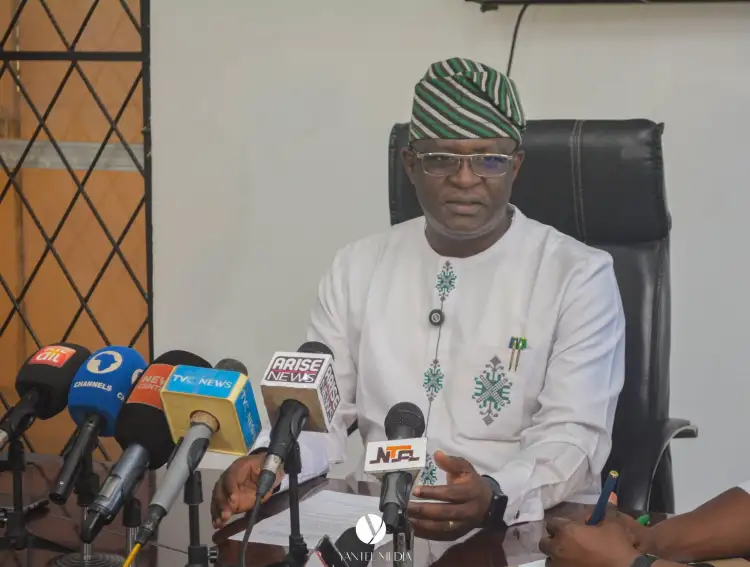
JOS, NIGERIA — Plateau State recorded 5,457 Plateau suspected diabetes cases between January and September 2026, Commissioner for Health Nicholas Ba’amlong said at a World Diabetes Day briefing in Jos, Premium Times reported on 17 November.
The state recorded 5,546 suspected cases throughout 2025, according to the report. Ba’amlong stressed that the figures are suspected cases rather than confirmed diagnoses.
“Diabetes remains a major public health concern because many people are living with the condition without knowing their status,” he said.
What the Plateau suspected diabetes cases show
At the current pace, the nine-month total suggests that Plateau suspected diabetes cases in 2026 could exceed last year’s figure, though the state did not make that projection.
In 2024, the nationwide “Know Your Number, Control Your Number” campaign screened 14,359 people in Plateau, and 2,610, or about 18 per cent, had elevated blood glucose levels, Ba’amlong said. He cautioned that these screening results “do not represent the prevalence of diabetes in the state,” since people who come forward for screening may not reflect the wider population.
Even so, nearly one in five people screened having raised blood glucose is a warning sign that many cases are going undetected.
Screening civil servants and communities
The Ministry of Health, working with the Plateau chapters of the Diabetes Association of Nigeria and the Endocrine and Metabolic Society of Nigeria, held free screening at the Joseph Gomwalk Secretariat Complex in Jos, targeting 1,000 civil servants. The checks included blood glucose, blood pressure, weight and body mass index, along with counselling and referrals.
The government plans to extend screening and education to underserved communities in all 17 local government areas through primary health care facilities and outreach, and is exploring partnerships and medical technologies to improve diagnosis at primary care level and strengthen follow-up, the commissioner said.
“Screening is only the beginning. Early detection must lead to appropriate diagnosis and treatment,” Ba’amlong said.
As general background, workplace screening reaches adults who may not otherwise visit a clinic, particularly men, who are less likely than women to seek routine health checks. Civil servants who spend long hours seated at desks may also face higher risks linked to physical inactivity.
Who should be checked
Ba’amlong urged residents, especially those with a family history of diabetes, excess weight or high blood pressure, to have their blood glucose checked regularly. He recommended balanced diets, regular exercise, weight management, avoiding tobacco and limiting alcohol.
Warning signs include excessive thirst, frequent urination, unexplained weight loss and persistent fatigue, he said. People already diagnosed should follow their treatment and attend regular reviews to prevent complications.
He said the state’s figures may underestimate the true burden, since many people with diabetes have no symptoms in the early stages and never come forward for testing.
The national picture
Plateau’s figures add to a week of warnings about diabetes in Nigeria. The Diabetes Association of Nigeria said ahead of World Diabetes Day that an estimated 11.4 million Nigerians live with diabetes and that monthly treatment can cost N200,000 to N300,000, and called on the Federal Government to subsidise care.
As general background, many Nigerians are diagnosed only after complications such as foot ulcers, vision loss, kidney failure or stroke. Early diagnosis allows people to make lifestyle changes and start treatment when it is most effective, and good blood sugar control greatly reduces the risk of complications. HealthCoach Africa has explored why blood sugar control fails for many Nigerian patients.
Screening also has to be followed by affordable care. Patients identified with high blood glucose need confirmatory tests, regular medicines, monitoring and education, and many face high out-of-pocket costs. Linking screening programmes to primary health care, health insurance and community pharmacies can help people stay in care.
Community pharmacies are often the most accessible health facility in a neighbourhood. Many already offer blood glucose and blood pressure checks, and they can support patients with medicine counselling, adherence reminders and referral when readings are high.
As general background, diabetes and high blood pressure often occur together, so combined screening, as Plateau carried out for civil servants, can identify people at risk of heart disease, stroke and kidney disease at the same time.
The rise in Plateau suspected diabetes cases is a reminder that diabetes is no longer only an urban or wealthy person’s disease. Changing diets, less physical activity and rising obesity are driving cases across Nigeria’s states, including in the Middle Belt.
Why it matters: Rising suspected diabetes cases in Plateau show the need for screening linked to affordable treatment before complications set in.
Plateau Revitalises 105 Primary Health Centres,… JOS, NIGERIA — Executive health authorities in Plateau State have launched a comprehensive health system expansion, confirming that plateau revitalises 105 primary health centres alongside approving the immediate recruitment of 1,300 clinical and administrative health…
Plateau Diphtheria Surge Triggers Mandatory Bus Masking JOS, NIGERIA — The plateau diphtheria surge triggers emergency transit protocols across Jos as health authorities confirm 148 suspected cases and 23 deaths within two weeks. In response to the accelerating outbreak, state-owned transit operator…
Breast Cancer Screening in Nigeria: Where to Go and Costs Breast cancer screening in Nigeria confuses people for a simple reason: nobody tells you which test you need. A woman of 32 asks for a mammogram and is told she does not need one. A…
Plateau Estimates 11,000 TB Cases This Year as… JOS, NIGERIA — Health authorities in Plateau State estimate that approximately 11,000 people will contract tuberculosis in plateau state in 2026, as ongoing pharmaceutical supply chain disruptions and insecurity hinder disease containment across North-Central Nigeria.…