KIGALI, RWANDA — Surveillance data indicates that rwanda malaria incidence eases to 72 cases per 1,000 people during the 2025–2026 season, down from 76 per 1,000 the previous year, but remains elevated compared to the 45 per 1,000 recorded in 2023–2024.
The Rwanda Biomedical Centre report, published by The New Times via AllAfrica on September 29, revealed that monthly infections peaked in late 2025 before dropping to 28,127 by June 2026.
Districts reporting the highest infection numbers between January and August 2026 include Ngoma, Gasabo, Kayonza, Kirehe, and Gisagara, with Eastern Province remaining a prominent high-transmission zone.
Shift in Prevention Tactics as Rwanda Malaria Incidence Eases
In response to fluctuating transmission rates, national health authorities are refining intervention strategies across vulnerable communities:
Precision Targeting: Interventions have shifted from district-wide deployments to sector-level targeting, directing resources to smaller administrative units with high disease loads.
Insecticide & Drug Rotation: Health officials are rotating three primary antimalarial treatments to combat partial artemisinin drug resistance emerging in East Africa.
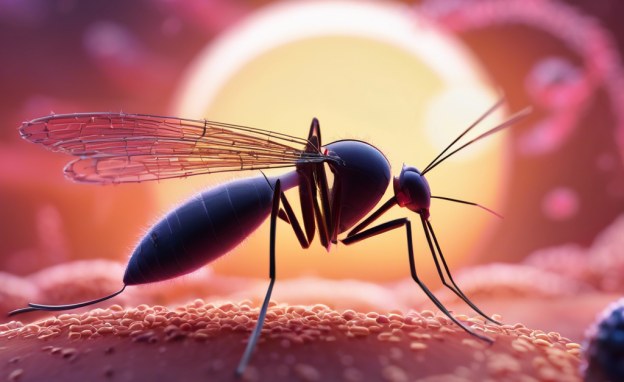
Behavioral Vector Shifts: Entomological surveillance shows 64 percent of local mosquitoes now bite during the day rather than at night.
Daytime Transmission Challenges Vector Control
As rwanda malaria incidence eases marginally, entomologists warn that changing vector behavior poses a significant challenge to standard prevention methods. Traditional tools like indoor residual spraying and insecticide-treated bed nets are designed to protect individuals while sleeping at night.
“64 percent of mosquitoes are biting during the day, not at night,” noted Epaphrodite Habanabakize, Malaria Prevention Senior Officer at the Rwanda Biomedical Centre, pointing out the necessity for enhanced outdoor protection methods. Addressing daytime transmission typically involves larval source management, spatial repellents, and personal protection measures.
Furthermore, national malaria control efforts face headwinds from tightening global financing. At the UN General Assembly on September 27, African leaders warned that a 30 percent reduction in international malaria funding could lead to 146 million additional cases continent-wide by 2030, underscoring the need for sustained domestic healthcare investment.
Why It Matters: While overall case numbers have ticked downward, daytime biting patterns mean traditional bed nets alone are no longer sufficient to prevent infection.
Diabetes in Nigeria: Why Blood Sugar Control Fails Diabetes in Nigeria does not usually fail in the clinic. Among people who reach a specialist and stay in care, control is often reasonable. It fails in the years before anyone tests you, and it…
Lassa Fever Warning Signs: Early Action Saves Lives Lassa fever is a viral illness that is found in West Africa, and Nigeria reports more cases than any other country. Each year, outbreaks peak during the dry season, from about December to April. In…
Nigeria Lassa Fever Fatalities Reach 268 as Health… ABUJA, NIGERIA — The ongoing lassa fever outbreak in nigeria has claimed 268 lives through epidemiological week 40 of 2026, pushing the national case fatality rate (CFR) to 23.6 percent compared with 18.6 percent recorded…
Normal Blood Pressure Reading: What Your Numbers Mean You have two numbers and no idea what they mean. Worse, you searched them and found an American page telling you that 134 over 86 is Stage 1 hypertension, while your doctor in Lagos looked…