South Africa has no confirmed cases of Bundibugyo virus disease, but 36 hospitals have been designated to manage any imported Ebola cases as part of South Africa Ebola preparedness, Spotlight reported on 25 November.
The national risk is low, said health department spokesperson Foster Mohale, according to the report. Prof. Tulio de Oliveira, director of the Centre for Epidemic Response and Innovation at Stellenbosch University, said there are currently no cases in the country, as confirmed by the National Department of Health.
Inside South Africa Ebola preparedness
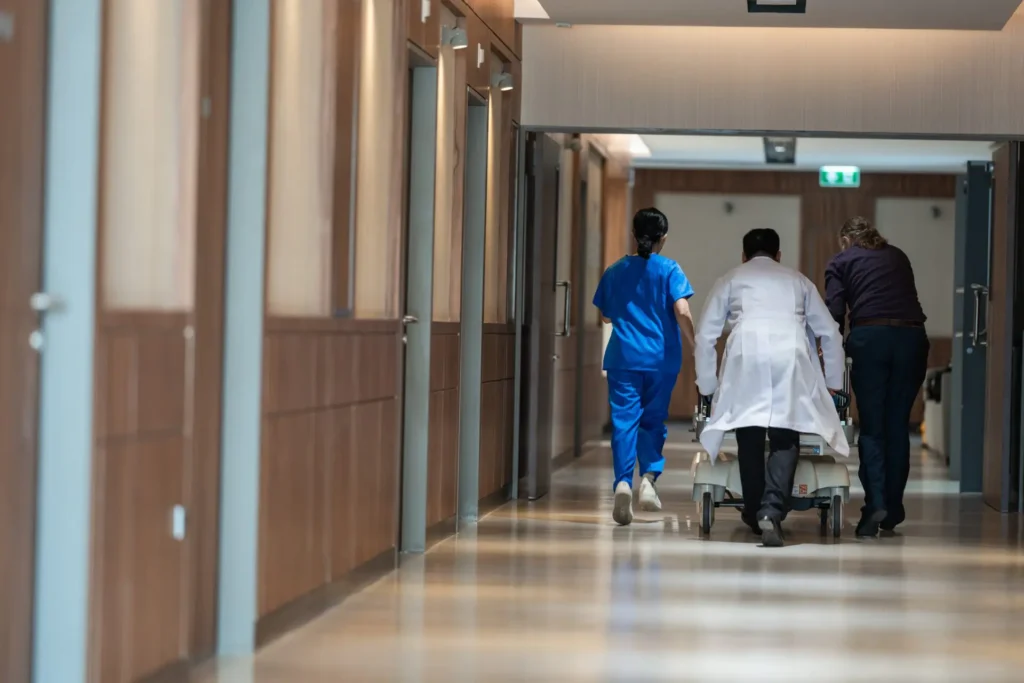
The 36 designated hospitals, 24 public and 12 private, are spread across all nine provinces, Spotlight reported. Their names were not given because the list is being updated. Staff in designated hospitals work rotating four-hour shifts in full protective equipment. “There is no fixed number of health workers set aside for Ebola care,” Mohale said.
Preparedness is coordinated through the National Public Health Emergency Operations Centre, activated after the international outbreak declaration in May 2026, with 11 pillars tracked weekly, according to the report. Three webinars were held for health workers in June and July.
In July, a list of 21 designated public hospitals was shared at one of the webinars, the report said, before the list was expanded to include private facilities. South Africa Ebola preparedness also involves the Knowledge Hub, which hosted the training sessions.
Enhanced screening is in place at airports, land borders and seaports. Readiness assessments were carried out between July and September at six priority points of entry: OR Tambo, Lanseria, King Shaka and Cape Town international airports, and the Beitbridge and Groblersbridge land borders. Simulation exercises were held at OR Tambo in June and at Beitbridge and Musina in August.
Defining a suspected case
A suspected case is a person with symptoms such as sudden fever, vomiting, diarrhoea, severe headache, muscle aches or unexplained bleeding, plus recent travel to an outbreak area or contact with a case within 21 days, the report said. An unexplained illness in a traveller that tests negative for malaria is also treated as suspected.
“Bundibugyo virus is not airborne,” Mohale said. Ebola is a category one notifiable disease, and the department must be notified within 24 hours of a positive result, with contacts monitored for 21 days.
“There is currently no licensed vaccine or specific medicine for Bundibugyo virus anywhere in the world,” Mohale said. A ring-vaccination trial is under way in the DRC, with initial findings expected early next year, according to the report.
The wider outbreak
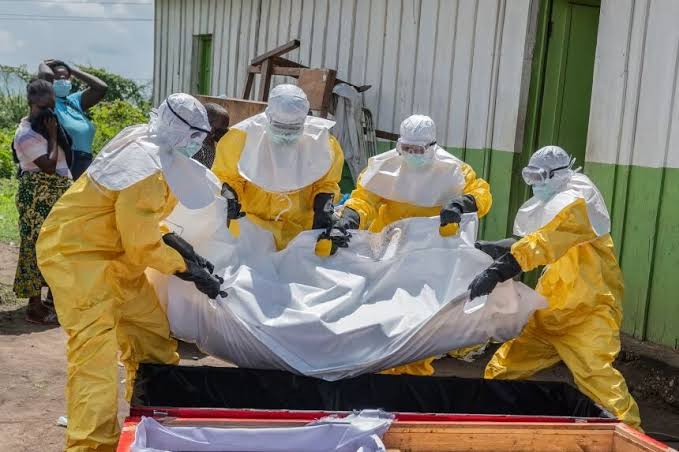
The DRC outbreak has caused more than 11,000 cases and 5,400 deaths, according to WHO Director-General Tedros Adhanom Ghebreyesus. “The risk beyond the DRC’s borders is not theoretical,” Tedros said, Spotlight reported. Uganda has recorded 20 cases, Kenya nine, and Nigeria and France one each; Uganda and France have no active cases.
South Africa has recorded only two Ebola cases in its history, both in 1996, an imported case in a health worker and a secondary infection in a nurse, the report said. In May, South Africa pledged $2.5 million (about R40 million) to support the DRC and Uganda.
As general background, Ebola-causing viruses fall into six types, four of which infect people, and the Ebola, Sudan and Bundibugyo viruses have caused large outbreaks. The incubation period of up to 21 days means a traveller could arrive well before symptoms begin, which is why screening and awareness among health workers are both needed.
Lessons from elsewhere
Kenya and Nigeria contained imported cases through early detection, isolation and contact tracing, though a Nigerian commentator this week noted that an eight-day delay before authorities were alerted exposed gaps. As general background, the first health worker to see a patient often determines how quickly an outbreak is caught.
Investment in health security, such as the World Bank support for health security that HealthCoach Africa has covered, strengthens laboratories and surveillance. South Africa Ebola preparedness also faces pressure from medicine shortages and funding constraints in the public sector.
Members of the public who develop symptoms after travel to an affected area are advised to call ahead to a health facility rather than arriving unannounced, so staff can prepare.
The health department has said it will update the public as the situation changes.
Health workers in all facilities, not only designated hospitals, are encouraged to complete the available Ebola training and review infection control procedures.
Why it matters: South Africa is a regional travel hub, so trained staff and designated hospitals are vital to stop any imported Ebola case from spreading.
South Africa Mpox Cases Climb to 26 as Donated Vaccines Wait CAPE TOWN, SOUTH AFRICA — South Africa mpox cases have risen to 26 this year, with 20 recorded since August, and the national Department of Health says donated vaccine stock will be deployed as needed,…
DRC Ebola Cases Top 11,000 as Outbreak Becomes… KINSHASA, DEMOCRATIC REPUBLIC OF CONGO — Ebola cases top 11,000 in the Democratic Republic of Congo (DRC), with 5,387 deaths, making the Bundibugyo virus outbreak the second-largest Ebola epidemic ever recorded, GBC Ghana Online reported…
DRC Ebola Outbreak Becomes Largest in Its History as… KINSHASA, DEMOCRATIC REPUBLIC OF CONGO The Bundibugyo virus outbreak in the Democratic Republic of Congo (DRC) is now the DRC largest Ebola outbreak ever recorded, regardless of virus species, the World Health Organization (WHO) said…
Kenya Achieves Full Ebola Contact Tracing as… NAIROBI, KENYA — Kenya has achieved 100 per cent Kenya Ebola contact tracing coverage, tracing all 135 contacts of its cases and surpassing the 85 per cent global benchmark, Health Cabinet Secretary Aden Duale told a…