KINSHASA, DEMOCRATIC REPUBLIC OF CONGO — Ebola cases top 11,000 in the Democratic Republic of Congo (DRC), with 5,387 deaths, making the Bundibugyo virus outbreak the second-largest Ebola epidemic ever recorded, GBC Ghana Online reported on 11 November, citing Health Ministry figures.
The DRC Health Ministry reported 11,042 infections on Wednesday, 11 November, meaning nearly half of those infected have died, according to the report by Nana Karikari. The outbreak was declared in mid-May.
Ebola cases top 11,000 in record time
The current outbreak ranks second only to the 2014 to 2016 West African epidemic, which recorded more than 28,600 infections and more than 11,000 deaths. Compared with the same period after that epidemic was declared, the current outbreak has at least three times as many cases and deaths, GBC reported.
It is the deadliest Ebola epidemic on record in the DRC, which has experienced more Ebola outbreaks than any other country since the virus was first identified there in 1976. The disease has reached eight of the DRC’s 26 provinces, and many deaths have occurred outside treatment centres.
WHO’s latest Disease Outbreak News, published on 6 November, reported 10,668 confirmed cases and 5,198 deaths as of 3 November, with Ituri and Nord Kivu provinces the most affected.
The difference between WHO’s confirmed count and the Health Ministry figure reflects different reporting dates and definitions, but both show an epidemic that continues to grow by hundreds of cases each week.
Conflict and mistrust hamper response
Active military conflict in Ituri and North Kivu, the main hotspots, hampers the response, according to GBC. Public health teams face community mistrust and misinformation, and there have been multiple attacks on frontline workers.
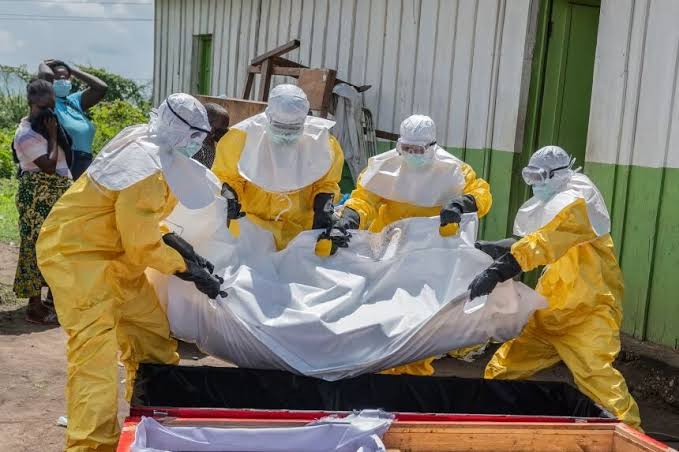
Insecurity makes it hard to trace contacts, move samples, run treatment centres and carry out safe burials. When people do not trust health workers, they may hide sick relatives, avoid treatment centres or hold traditional burials that expose mourners to the virus.
Previous Ebola outbreaks in eastern DRC, including the 2018 to 2020 epidemic in Nord Kivu and Ituri, faced similar challenges, with attacks on treatment centres and health workers. Lessons from that response, including the value of local health workers, community leaders and survivors as trusted messengers, are being applied again.
Displacement caused by conflict also moves people across provinces and borders, making it harder to trace contacts and increasing the risk of spread to new areas.
No approved vaccine or treatment
There is no approved vaccine or specific treatment for the Bundibugyo strain, which kills about half of those it infects. Earlier this month, WHO approved clinical trials for two new candidate vaccines, ChAdOx1 and mRNA-1469, with initial results expected in early 2027, and treatment trials are testing antibodies and antivirals.
Supportive care, including fluids, oxygen and treatment of complications, improves survival, which is why getting patients to treatment centres early is a key goal.
Many deaths are occurring in communities rather than treatment centres. WHO reported that of 512 deaths recorded between 21 October and early November, 335 occurred in communities, which suggests that many patients are not reaching care in time.
Regional spread
The outbreak has the broadest geographic footprint of any Ebola outbreak on the continent, with confirmed cases in Uganda, Kenya and Nigeria, GBC reported. Genomic sequencing has linked these infections to the main DRC transmission chain.
Kenya discharged its last Ebola patient on 11 November and began a 42-day countdown to being declared Ebola-free, while Nigeria has recorded no new case in more than 21 days since its imported infection. Ghana, a West African transport hub, is tightening border surveillance and diagnostic readiness, and requires all incoming travellers to complete a health declaration form from 12 November.
Africa CDC declared the outbreak a Public Health Emergency of Continental Security in May. “Ebola is crossing borders,” Africa CDC Director General Dr Jean Kaseya said in October. “Our response must move faster, with stronger coordination, greater solidarity and decisive political leadership.”
With Ebola cases top 11,000 and many deaths still occurring at home, health officials say faster contact tracing, community engagement, protection of health workers and sustained funding remain essential to bringing the epidemic under control.
As Ebola cases top 11,000, Africa CDC and WHO have called for more funding for the response, which has faced shortfalls as donor budgets tighten. Health workers in affected provinces need protective equipment, pay and security to keep working.
Neighbouring countries remain on alert.
Why it matters: With no approved vaccine and conflict blocking access, the DRC epidemic threatens the whole region until tracing and care improve.
DRC Ebola Outbreak Becomes Largest in Its History as… KINSHASA, DEMOCRATIC REPUBLIC OF CONGO The Bundibugyo virus outbreak in the Democratic Republic of Congo (DRC) is now the DRC largest Ebola outbreak ever recorded, regardless of virus species, the World Health Organization (WHO) said…
British National Tests Positive for Ebola in DRC,… LONDON, UNITED KINGDOM — A British national has tested positive for Ebola in the Democratic Republic of Congo (DRC), the UK government confirmed. It is the first British national Ebola case linked to the current…
Ghana Orders 21-Day Monitoring for Travellers From… ACCRA, GHANA — Ghana’s Ministry of Health has introduced Ghana Ebola traveller monitoring for up to 21 days for passengers arriving from countries with ongoing transmission of the Bundibugyo strain of Ebola, Citi Newsroom reported…
Ghana Health Minister Says Country Is Ready for Any… ACCRA, GHANA — Ghana’s Health Minister Kwabena Mintah Akandoh has urged the public not to panic, saying Ebola preparedness in Ghana includes thermal scanners at the airport, electronic health declaration forms, laboratory testing and an…