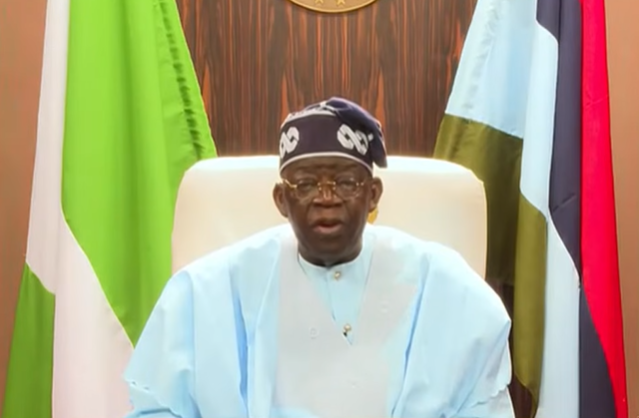
ABUJA, NIGERIA — Commemorating the nation’s 66th Independence anniversary, President Bola tinubu pledges stronger primary healthcare access for low-income citizens across Nigeria in an October 1 national broadcast.
“Working with our states and local governments, we will continue to strengthen primary healthcare, basic education, and the essential public services poorer Nigerians depend on most,” President Tinubu stated during the national address, as reported by Premium Times.
Defending ongoing macroeconomic structural reforms, the President used a medical analogy to describe national economic recovery, comparing Nigeria to a sick patient facing severe illness who required difficult, decisive treatment rather than temporary pain management.
How President Tinubu Pledges Stronger Primary Healthcare Infrastructure
While President tinubu pledges stronger primary healthcared elivery, health policy experts highlight significant gaps between legislative appropriations and actual capital disbursements:
Healthcare Funding Mechanism
Current Operational Performance
Strategic Health Policy Benchmarks
Federal Budget Allocation
Allocated 3.7% of the total 2026 federal budget.
Remains far below the 15% target established in the 2001 Abuja Declaration.
Ministry Capital Disbursement
Released ₦36M out of ₦218B appropriated in early 2025.
Capital release constraints delay physical clinic upgrades and equipment supply.
Basic Health Care Fund (BHCPF)
Channels ≥1% of Consolidated Revenue Fund to care.
Covers 2.7M vulnerable Nigerians; total health insurance enrollment exceeds 23M.
Primary Facility Assessment
Digitally assessed >7,500 facilities via SafeCare.
Aims to address widespread shortages of qualified personnel, power, and water.
Intergovernmental Coordination and Capital Disbursement Challenges
Presidential emphasis on state and local collaboration reflects the multi-tiered structure of Nigeria’s healthcare delivery system. While local governments manage physical primary health centers, state governments employ healthcare workers, and federal institutions oversee regulatory standards and fund distribution through the National Health Insurance Authority (NHIA).
Without consistent capital disbursement, community health centers risk remaining understaffed or lacking essential medicines despite structural renovations. Earlier this year, Coordinating Minister of Health and Social Welfare Prof. Muhammad Ali Pate disclosed that only ₦36 million of the ₦218 billion capital budget appropriated for the ministry had been released.
Expanding Health Insurance Coverage for Vulnerable Populations
As President tinubu pledges stronger primary healthcare revitalization, health authorities report incremental progress in public insurance coverage. NHIA Director General Dr. Kelechi Ohiri noted that 2.7 million vulnerable citizens are currently receiving subsidized care through the Basic Health Care Provision Fund, pushing total national insurance enrollment past 23 million.
To protect enrollee rights, the authority recently suspended nine non-compliant health facilities and refunded ₦14.2 million after resolving 3,878 complaints. However, with a national population exceeding 220 million, most citizens remain without insurance coverage, leaving out-of-pocket spending as the primary barrier to basic medical care.
Why It Matters: Presidential commitments to reform primary care require sustained capital budget releases to transform rural clinics, where severe shortages of staff, clean water, and basic medicine persist.
Chronic Pain Management in African Women: A… Chronic pain, characterized by persistent discomfort lasting for more than three to six months, is a global health challenge that affects millions of individuals. In the context of Africa, chronic pain poses unique considerations, and…
Acute vs Chronic Pain: Key Differences and Why They Matter Pain is something everyone experiences, but not all pain is the same. Many people confuse acute pain—the short-term type—with chronic pain, which can last for months or even years. Understanding the difference is not just…
Effective Strategies for Managing Pain in the… In this article, we will discuss effective strategies for managing pain in the elderly. Pain is a prevalent and often complex issue among the elderly population. As people age, various factors like chronic conditions, reduced…
General Pain Management: A Complete Beginner’s Guide Pain is one of the most common health complaints worldwide, yet it is also one of the most misunderstood. From a simple headache to chronic back pain or pain from long-term illnesses, how we manage…