Classification: Prescription Opioid Analgesic Drug
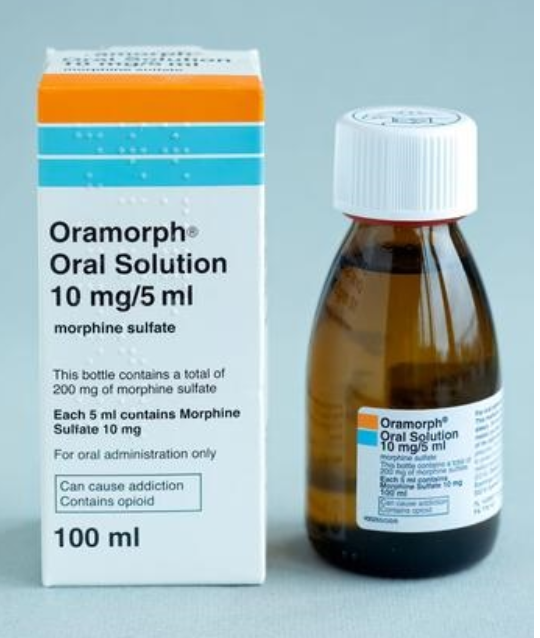
Managing severe pain requires clear understanding and precise administration of your medication. This comprehensive Morphine oral solution guide explains how this prescription drug works, proper dosing protocols, common side effects, and critical safety guidelines.
What Is Morphine Sulfate Oral Solution?
Morphine sulfate is a potent prescription drug categorized as a Step 3 opioid analgesic on the World Health Organization (WHO) pain ladder. This liquid formulation (10mg/5mL) allows for flexible, precisely measured dosing, making it especially useful for individuals who have difficulty swallowing tablets or require tailored dose adjustments.
How Does It Work?
Morphine acts directly on specific opioid receptors located in the brain and spinal cord. By binding to these receptors, this prescription drug alters how the nervous system perceives and responds to pain signals. In palliative care settings, it can also help relieve the distressing sensation of severe breathlessness.
Who Is It Prescribed For?
Adults experiencing moderate to severe pain, particularly in cancer care or palliative settings.
Children in specific clinical circumstances under direct specialist supervision.
Must be prescribed and strictly monitored by a healthcare professional experienced in pain management.
Morphine Oral Solution Guide: Dosage and Administration
Adhering to the dosing instructions provided in this Morphine oral solution guide is essential for effective pain relief and safety:
Individualized Dosing: Your doctor determines your specific dose based on pain severity, kidney function, body weight, and prior opioid exposure.
Precise Measurement: Always use the oral syringe or dosing spoon provided with the bottle. Never use a standard household spoon, as it does not deliver an accurate dose.
Schedule: Take the exact amount at the specific time intervals directed by your prescriber.
What If You Miss a Dose?
Action Required: If a dose is missed and pain returns, take your next scheduled dose as planned.
Caution: Do not take a double dose to make up for a missed one without direct guidance from your doctor, especially if you are on a round-the-clock dosing plan.
Potential Side Effects to Expect
Opioid medications affect multiple body systems, making side effect awareness vital during treatment.
Common Side Effects
Constipation: Near-universal with regular opioid use; prescribers almost always include a proactive laxative regimen.
Nausea & Vomiting: Common when starting treatment, often lessening over time.
Drowsiness & Sedation: Frequently occurs initially but typically eases after a few days.
Dry Mouth: Reduced salivation during therapy.
Serious Side Effects (Seek Emergency Medical Help)
Respiratory Depression: Abnormally slow, shallow, or labored breathing—this is a life-threatening medical emergency.
Severe Sedation: Extreme drowsiness or inability to wake up easily.
Neurological Changes: Confusion, agitation, visual hallucinations, or extreme dizziness.
Allergic Reactions: Swelling of the face, tongue, or throat, accompanied by difficulty swallowing or severe rash.
Risk of Dependence & Overdose: Morphine carries a real risk of physical dependence and addiction. It must never be shared, given, or sold to anyone else.
Proactive Bowel Care: Because opioids slow gut motility in almost all patients, laxatives should be started alongside this drug rather than waiting for constipation to develop.
Accidental Exposure Risk: A single mismeasured or unauthorized dose can be fatal, particularly to children or non-opioid-tolerant individuals.
Drug and Food Interactions
Inform your doctor and pharmacist of every medication and supplement you take. Key interactions include:
Alcohol: Avoid alcohol entirely while taking morphine. Combining alcohol with opioid drugs can lead to fatal respiratory depression.
Sedatives & Sleeping Aids: Benzodiazepines, muscle relaxants, or sleep aids significantly increase the risk of severe drowsiness, coma, and breathing failure.
Other Central Nervous System Depressants: Must be closely evaluated and managed by your prescribing specialist.
Storage and Security
Store upright below 25°C (77°F), protected from direct light. Do not freeze.
Keep the bottle tightly closed in its original container.
High Controlled-Substance Risk: Store in a securely locked cabinet, completely out of sight and reach of children, pets, and visitors.
Frequently Asked Questions
Will I become addicted if I take morphine for cancer pain?
As highlighted in this Morphine oral solution guide, physical dependence naturally develops with regular use, but this is distinct from addiction. When taken strictly as prescribed for genuine pain under close medical supervision, the risk of psychological addiction remains low. Your care team will safely manage any necessary dose adjustments or taper schedules.
Why do I need a laxative alongside morphine?
Opioids slow the movement of the digestive tract in nearly everyone who takes them regularly. Doctors prescribe laxatives proactively from the start of therapy to prevent severe constipation from developing.
This article is reviewed by Pharmacist Sesan Kareem, B.Pharm, MPA, MBA and is for educational purposes only. It is not a substitute for professional medical advice, diagnosis, or treatment. Always take medicines exactly as prescribed by your doctor. Chat with a HubPharm pharmacist on WhatsApp with any questions before starting, stopping, or changing a medicine.
Please follow and like us:
Post Views:16
Related Posts:
Metformin Side Effects: What Is Normal and What Is Not Most people meet metformin side effects in the first fortnight, decide the drug does not agree with them, and stop it without telling anyone. That decision is usually wrong, and it is almost always avoidable,…
Mycophenolate Mofetil: Uses, Dosage, Side Effects… Managing organ transplant survival and autoimmune conditions requires potent immunosuppressive therapy under strict specialist care. This comprehensive Mycophenolate mofetil therapy guide details how this immunosuppressant works, proper administration on an empty stomach, key side effect…
Blood Pressure Medication Side Effects and What to Do Most people never tell anyone about their blood pressure medication side effects. They notice their ankles have swollen, or that a dry cough has not gone away since February, and they draw the obvious conclusion:…
Creon 10,000 (Pancrelipase): Uses, Dosage, Storage… Classification: Prescription Digestive Enzyme Supplement When managing pancreatic exocrine insufficiency, precise dosing flexibility is critical for proper digestion. This comprehensive Creon 10000 usage guide explains how this lower-strength prescription enzyme therapy works, proper administration with…