Most people never tell anyone about their blood pressure medication side effects. They notice their ankles have swollen, or that a dry cough has not gone away since February, and they draw the obvious conclusion: this drug does not agree with me. Then they stop taking it and say nothing, because the tablets were not making them feel better anyway.
That silence is the problem. Almost all common blood pressure medication side effects have a straightforward fix, usually a switch within the same family rather than abandoning treatment. This guide tells you which effects are expected and harmless, which need a change of medicine, and which are emergencies.
Why blood pressure medication side effects matter more than they look
Hypertension causes no symptoms. Your medication, occasionally, does. So the everyday experience of treatment can be one where the disease feels like nothing and the cure feels like something, which is a powerful argument for stopping and a completely understandable one.
The consequence shows up in the national figures. About 38 percent of Nigerian adults have hypertension, roughly a third are on treatment, and only 12.4 percent have it controlled. Blood pressure medication side effects that nobody reports and nobody fixes are part of how that gap opens.
Nothing on this page is a reason to stop a tablet on your own. It is a list of things to raise, so that someone can adjust the regimen instead of you quietly abandoning it.
Blood pressure medication side effects by drug class
Amlodipine and nifedipine: swollen ankles
Swelling of the ankles and lower legs is the classic effect of calcium channel blockers, and it is very common. It usually appears within weeks, gets worse through the day, and is often worse in hot weather.
Importantly, this is not fluid overload and it is not a sign that your heart or kidneys are failing. These drugs widen small blood vessels, which allows fluid to leak into the tissue. So a diuretic is generally the wrong answer for it.
What usually fixes it: a lower dose, or adding an ACE inhibitor or ARB, which reduces the swelling directly. Sometimes a switch to another class. Raising your legs when sitting helps a little.
Headache and facial flushing are also common in the first fortnight and usually settle without any change.
Lisinopril and ramipril: the dry cough
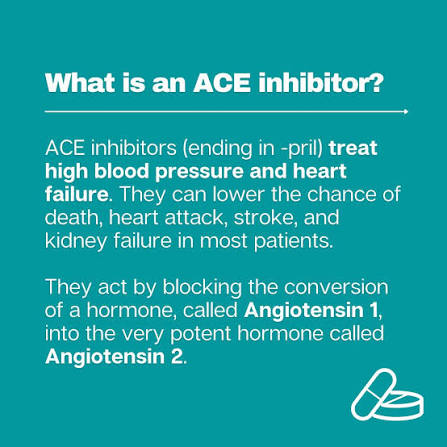
A persistent dry, tickly cough is the best known effect of ACE inhibitors. It is not an infection and it does not respond to antibiotics or cough syrup. It can begin within days or after months, and it stops only when the drug does.
What usually fixes it: switching to an ARB such as losartan or telmisartan. These work through a closely related pathway, lower blood pressure just as well, and almost never cause the cough. The switch is simple and does not mean starting over.
Losartan, telmisartan and other ARBs
This class is generally the best tolerated of the lot. Occasional dizziness, especially at the first dose, and a rise in blood potassium are the main things to know. Your doctor may check kidney function and potassium after starting.
Hydrochlorothiazide and other diuretics
Passing more urine in the first weeks is expected and normally settles. The effects worth watching are less obvious: low potassium, low sodium, a rise in uric acid that can trigger gout, a small rise in blood sugar, and erectile dysfunction in some men.
What usually fixes it: a lower dose, a switch to indapamide, or a change of class. Gout and erectile dysfunction in particular are worth reporting, because both are common reasons men stop treatment without saying why.
Atenolol, bisoprolol and other beta blockers
Tiredness, cold hands and feet, vivid dreams, a slower pulse and reduced exercise tolerance are the usual complaints. In people with diabetes, beta blockers can also blunt the warning signs of low blood sugar.
Critical point: never stop a beta blocker suddenly. Abrupt withdrawal can cause a sharp rebound in blood pressure and heart rate, and in people with heart disease it can provoke chest pain. Any reduction is tapered under supervision.
Methyldopa
Widely used in pregnancy because its safety there is well established. Drowsiness and a dry mouth are the common effects, and they usually ease after the first week or two.
Spironolactone
Often added when blood pressure resists three other drugs. It can raise potassium significantly, so blood tests matter, and it can cause breast tenderness or enlargement in men, which is reversible on stopping and is worth reporting rather than tolerating.
What Nigerian patients should know about ACE inhibitors
One group of blood pressure medication side effects rarely appears in international articles, and it matters here.
Angioedema, a sudden swelling of the lips, tongue, face or throat, is a rare but serious reaction to ACE inhibitors. Published reviews report it occurring roughly four to ten times more often in Black patients than in White patients. It is a medical emergency, because swelling of the tongue or throat can obstruct breathing.
The same literature finds that ACE inhibitors and ARBs given alone tend to lower blood pressure less effectively in Black patients, though that difference largely disappears once they are combined with a calcium channel blocker or a thiazide diuretic. Reviewers therefore advise against routinely starting an ACE inhibitor as the only drug in a Black patient with hypertension.
What to do with that. If you are on lisinopril or ramipril alone and your readings are not coming down, ask your doctor whether adding amlodipine or a thiazide would work better than simply increasing the dose. And learn the angioedema warning signs below, because recognising them quickly is what makes them survivable.
Which blood pressure medication side effects mean carry on, and which mean act
Effect
What it usually means
What to do
Headache or flushing in the first two weeks
Your body adjusting
Carry on, mention at next visit
Passing more urine on a diuretic
Expected
Carry on, take the dose in the morning
Swollen ankles on amlodipine
Common, not dangerous
Report it, ask about a dose change or adding another drug
Dry cough on an ACE inhibitor
Common, not dangerous
Report it, ask to switch to an ARB
Persistent tiredness on a beta blocker
Common
Report it, never stop suddenly
Gout, or erectile dysfunction on a diuretic
Known effect
Report it, a switch usually solves it
Dizziness on standing
Dose may be too high
Report promptly
Swelling of lips, tongue or face
Possible angioedema
Emergency, go to hospital now
The five that are emergencies
Go to a hospital immediately if any of these appear:
Swelling of the lips, tongue, face or throat, or difficulty breathing or swallowing
Fainting, or near-fainting on standing
A very slow pulse with weakness or breathlessness
A widespread rash, blistering, or peeling skin
Palpitations with muscle weakness, which can signal a potassium problem
What to say to your pharmacist or doctor
Vague reporting of blood pressure medication side effects gets a vague response, so be specific. A useful script is short:
“I started amlodipine ten milligrams in June. Since about August my ankles have been swelling by the afternoon. I have not stopped taking it. Is there an alternative, or should the dose change?”
That sentence contains the drug, the dose, the timing, the effect and the question. It gets a decision in one visit rather than three.
Bring your tablets in their boxes if you can, particularly when brands have changed, and bring a fortnight of home readings.
Common questions
Do blood pressure medication side effects go away on their own?
Some do. Headache, flushing and increased urination usually settle within a few weeks. Ankle swelling on amlodipine and the ACE inhibitor cough generally do not, and both need a change rather than patience.
Can I stop my tablets if the side effects are bad?
Not on your own. Speak to your doctor or pharmacist first, because almost every effect on this page has an alternative within the same or a neighbouring class. Stopping quietly leaves the hypertension untreated, and beta blockers in particular are dangerous to stop abruptly.
Why do my ankles swell on amlodipine?
The drug widens small blood vessels, which allows fluid to move into the surrounding tissue. It is not heart or kidney failure. A lower dose or the addition of an ACE inhibitor or ARB usually resolves it, and a water tablet usually will not.
How long does the lisinopril cough take to stop after switching?
Usually within one to four weeks of stopping the drug, though it occasionally takes longer. If a cough persists well beyond a month after switching, it needs investigating as something else.
Are generic blood pressure tablets more likely to cause side effects?
No. Quality-assured generics contain the same active ingredient at the same dose and behave the same way. What causes trouble is unnoticed brand switching, where a patient takes two versions of the same medicine believing they are different drugs. Ask your pharmacist to write the generic name on every box.
Nobody should abandon treatment over a fixable problem
Almost all of the blood pressure medication side effects described here have a solution that keeps you treated. The failures happen in silence, when a person decides alone that a medicine does not suit them and simply stops.
At HubPharm Africa our pharmacists are reachable when that moment arrives. We source verified medicines, deliver them across Nigeria, coordinate refills so treatment does not lapse, and talk through side effects before they become a reason to quit. Across our programmes we have seen a 42 percent improvement in medication adherence.
If something about your medication is not sitting right, speak to us before you stop it.
Written by Fawzi Rufai, Medically reviewed by Pharm. Sesan Kareem, B.Pharm, MPA, MBA.
This article is for general information and does not replace advice from your own doctor or pharmacist. Never stop or change prescribed medication without speaking to them first.
References
A Review of ACE Inhibitors and ARBs in Black Patients With Hypertension. Annals of Pharmacotherapy, 2018.
Angiotensin-Converting Enzyme Inhibitors and Angioedema. Hypertension, American Heart Association.
Prevalence, Awareness, Treatment and Control of Hypertension in Nigeria: Data from a Nationwide Survey 2017. Global Heart.
World Health Organization, HEARTS technical package for cardiovascular disease management in primary health care.
Please follow and like us:
Views:130
Related Posts:
Diabetes in Nigeria: Why Blood Sugar Control Fails Diabetes in Nigeria does not usually fail in the clinic. Among people who reach a specialist and stay in care, control is often reasonable. It fails in the years before anyone tests you, and it…
Metformin Side Effects: What Is Normal and What Is Not Most people meet metformin side effects in the first fortnight, decide the drug does not agree with them, and stop it without telling anyone. That decision is usually wrong, and it is almost always avoidable,…
High Blood Pressure in Nigeria: Why Treatment Stops Working Most people who lose control of high blood pressure in Nigeria were never lost to the health system. They were diagnosed. They collected a prescription. Many even took the tablets for a while. Then something…
6 Early Signs of Breast Cancer That Are Not a Lump Almost everyone has been taught to look for a lump. That teaching is not wrong, but it is dangerously incomplete, because several of the early signs of breast cancer never involve a lump at all.…