NAIROBI, KENYA — Public health authorities in Kenya have confirmed that total ebola cases in kenya have risen to eight, following the diagnosis of three frontline health workers and five contacts linked to the index patient.Highlighting the efficacy of national epidemic surveillance, Director General for Health Dr. Patrick Amoth emphasized that every newly confirmed patient was already isolated within government quarantine facilities when symptoms manifested, preventing wider community transmission.
The eighth confirmed case involves a 49-year-old hospital attendant who handled linen and utensils for the index patient prior to barrier isolation.After developing fever and muscle pain while under mandatory 21-day quarantine, his diagnostic tests returned positive, prompting immediate transfer to the national Ebola treatment center.
Outbreak Benchmarks and Ebola Cases in Kenya
Data published by the Ministry of Health and the World Health Organization outlines the containment metrics tracking ebola cases in kenya:
Outbreak Metric Category
Containment Data & Clinical Parameters
Total Confirmed Cases
8 confirmed cases (including 3 medical personnel and 1 hospital attendant)
Contact Tracing Efficiency
98.5% of identified contacts (128/130) traced and placed in 21-day quarantine
Index Case Trajectory
Deceased October 5 after traveling from DRC through Uganda
Global Benchmark Standard
Exceeds the 85% global contact monitoring threshold
Transmission Mechanics and Quarantine Protocols
Understanding how health authorities are managing ebola cases in kenya illustrates why early isolation limits secondary exposure:
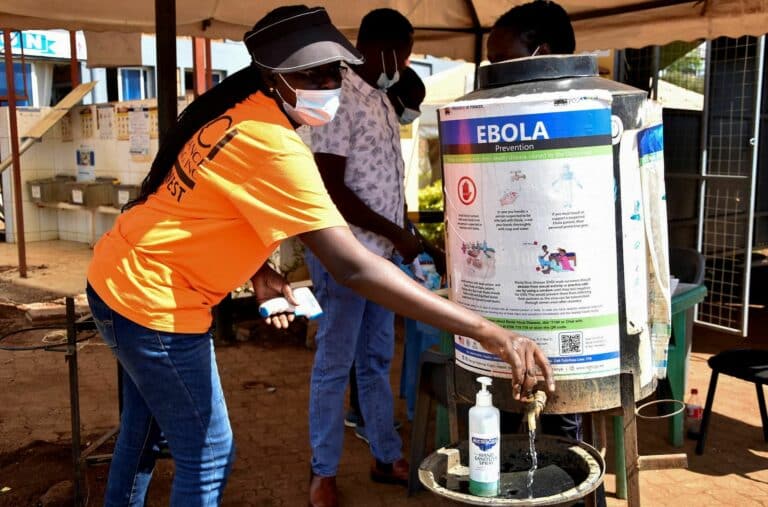
Frontline Nosocomial Vulnerability: Three clinicians (two men aged 29 and 35, and one woman aged 32) contracted the virus while treating the index patient before Ebola was suspected or personal protective equipment (PPE) was mandated.
Active Daily Contact Monitoring: Enforcing strict 21-day symptom tracking for all isolated contacts enables immediate medical intervention at the first sign of fever, headache, or muscle aches.
Early Supportive Triage: Administering aggressive intravenous rehydration and symptom management immediately upon diagnosis significantly improves clinical survival rates for the Bundibugyo Ebola strain.
Health Worker Safety, Clinical Infection Control, and Hospital Risks
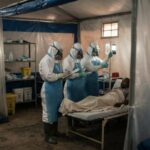
The infection of medical staff highlights the extreme vulnerability of healthcare workers during the initial stages of viral outbreaks. When patients present with non-specific febrile symptoms, clinicians operating without full barrier protection risk direct exposure to infectious bodily fluids. Kenya’s doctors’ union reiterated that safeguarding health personnel with standardized infection prevention and control (IPC) protocols remains essential to prevent hospitals from becoming amplification points for viral pathogens.
Simultaneously, regional health agencies are monitoring the broader Central African outbreak, where Ebola has expanded into an eighth province in the Democratic Republic of the Congo.In response, regional neighbors including Nigeria have intensified airport screening and diagnostic laboratory readiness, though no cases have been detected outside East Africa.
Public Health Security, Open Borders, and Regional Containment
Addressing public concerns regarding economic disruptions, the Ministry of Health firmly denied rumors of domestic travel restrictions or municipal lockdowns. Health officials affirmed that Kenya remains fully open for international trade, aviation, and public gatherings, as the overall risk to the general public remains low due to effective ring-fencing of exposed contacts.
WHO Representative to Kenya Dr. Neema Rusibamayila Kimambo affirmed that the rapid detection of new cases inside quarantine facilities demonstrates that national epidemic response mechanisms are functioning as designed.As contact monitoring continues through the full 21-day incubation window, maintaining rigorous hospital IPC practices and public transparency remains vital to securing regional health security.
Why It Matters: The infection of health workers before Ebola was suspected underscores that early isolation and protective equipment save lives in every public hospital.
Kenya’s Ebola Cases Reach Nine, All Within One… NAIROBI, KENYA — The Ministry of Health has confirmed a ninth case of Ebola in a 24-year-old man who was already under strict quarantine, reaffirming that all ebola cases in kenya remain strictly confined to…
Lassa Fever Warning Signs: Early Action Saves Lives Lassa fever is a viral illness that is found in West Africa, and Nigeria reports more cases than any other country. Each year, outbreaks peak during the dry season, from about December to April. In…
Chronic Pain Management in African Women: A… Chronic pain, characterized by persistent discomfort lasting for more than three to six months, is a global health challenge that affects millions of individuals. In the context of Africa, chronic pain poses unique considerations, and…
Kenya Says Ebola End Within Reach NAIROBI, KENYA — As kenya says ebola end within reach following zero reported secondary infections in recent testing rounds, health authorities in Nairobi are preparing to discharge the first cohort of quarantined contacts on October…