A Boksburg mother says her daughter’s childhood type 1 diabetes diagnosis eight years ago is still painful, as a long-time diabetes advocate urges parents to recognise the warning signs early, Health-e News reported on 10 November.
Minenhle Mofokeng, now 12, was diagnosed at the age of four after her mother, Busisiwe Maseko of Vila Rosa in Boksburg, took her to several doctors because she was losing weight and had no appetite, according to the report by Tholakele Mbonani and Keletso Mkhwanazi.
“It was painful when I found out, and it is still painful,” Maseko said.
Living with childhood type 1 diabetes
Minenhle’s blood sugar often sits around 14 mmol/L, well above the recommended range of 4 to 7 mmol/L, and the family attends hospital check-ups every three months, the report said.
Type 1 diabetes is an autoimmune condition in which the body’s immune system destroys the insulin-producing cells of the pancreas. Unlike type 2 diabetes, it is not caused by lifestyle and cannot be prevented, and people with type 1 diabetes need insulin every day to survive.
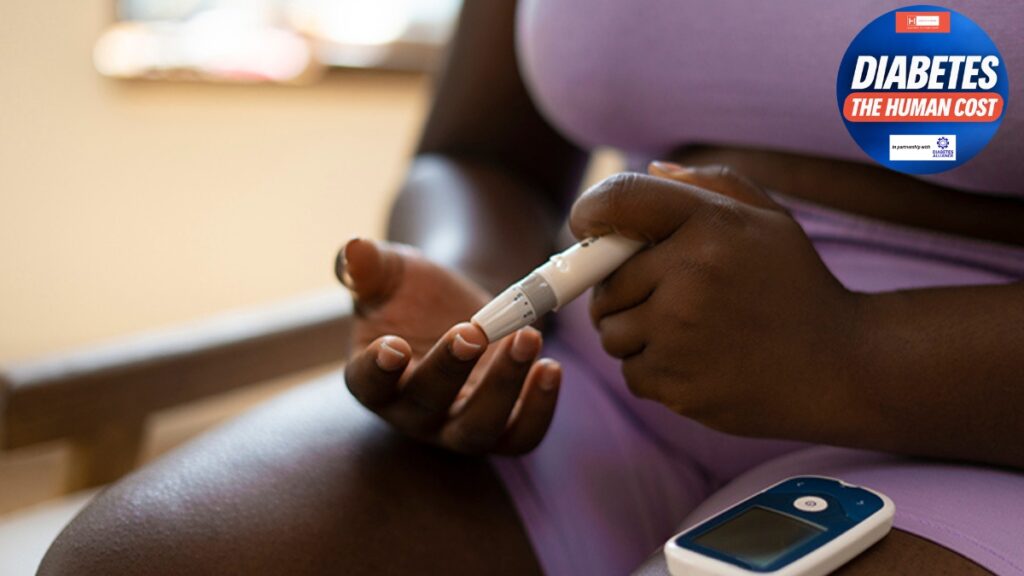
Managing childhood type 1 diabetes means frequent blood glucose checks, insulin injections adjusted to food and activity, and close attention to illness, growth and puberty, which can all affect blood sugar. Children also need support at school, where teachers may not know how to recognise low or high blood sugar.
An advocate’s warning signs
Pitso Molemane, a journalist and diabetes ambassador who has lived with type 1 diabetes for 43 years, hosts the podcast “Fighting Diabetes with Pitso Molemane.” He has experienced a minor stroke and eye problems linked to the condition.
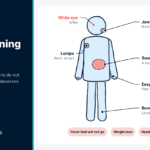
Molemane promotes the “4Ts” warning signs: thirst, toilet (frequent urination, waking at night or new bedwetting), tiredness and thinness (unexplained weight loss). Other signs include increased hunger, irritability, vomiting, abdominal pain, deep or rapid breathing and unusual drowsiness, which may indicate diabetic ketoacidosis (DKA), a life-threatening emergency.
“Insulin is not optional for someone living with type 1 diabetes, it saves their lives,” Molemane said. “Trust your concerns, act quickly and never ignore the warning signs.”
Why early diagnosis matters
Many children with type 1 diabetes are diagnosed only when they are already in DKA, which can cause coma and death if not treated quickly. In settings where diabetes is seen as an adult disease, symptoms in children may be mistaken for infections, malnutrition or stomach problems.
A simple finger-prick glucose test or urine test can identify diabetes in a child with suspicious symptoms. Health workers at clinics and pharmacies can play a key role by testing children who show the 4Ts, rather than sending them home with treatment for another condition.
Long-term control depends on reliable access to insulin, syringes or pens, and glucose testing strips. Shortages of supplies and the cost of transport to specialist clinics can make control harder for families with limited income. Understanding why blood sugar control fails, including supply gaps, stigma and lack of education, helps clinicians support families.
Stigma and support
“We must stop blaming children or their parents for the condition,” Molemane said. Children with diabetes may face teasing, exclusion from activities or anxiety about injections, and parents may feel guilty or overwhelmed.
Support groups, diabetes educators and school health programmes can help families manage day to day. “A diagnosis should not destroy a child’s dreams,” Molemane said.
Technology is changing care in some settings. Continuous glucose monitors and insulin pumps can make management easier, but they are expensive and largely available only in the private sector. Most children in public care in South Africa rely on finger-prick testing and injections.
Teenagers face particular challenges as they take over their own care, and periods of poor control are common during adolescence. Transition clinics that move young people gradually from paediatric to adult services can help them stay engaged.
Low blood sugar, or hypoglycaemia, is another daily risk. Children may become shaky, sweaty, confused or drowsy if they take too much insulin, miss a meal or exercise hard, and parents, teachers and friends should know to give a sugary drink or snack straight away. Severe episodes need urgent medical help.
Families also benefit from clear written plans that set out insulin doses, what to do on sick days and when to seek emergency care.
Health-e News’s diabetes series, which includes this story, highlights how childhood type 1 diabetes and other forms of the condition affect families across South Africa.
Why it matters: Children with type 1 diabetes can die from late diagnosis, but recognising the 4Ts and ensuring steady insulin saves lives.
Childhood Cancer Warning Signs: Early Action Saves… Cancer in children is less common than in adults, but it is a leading cause of death in children worldwide. In high-income countries, more than eight in ten children with cancer survive. In low- and…
Professor Mojisola Adeyeye: The Pharmacist Who… When Professor Mojisola Adeyeye walked into NAFDAC headquarters in November 2017, she inherited an agency with a debt of more than three billion naira, laboratories that did not work and a reputation that its own…
The Hidden Cost of Diabetes: Transport, Food and… JOHANNESBURG, SOUTH AFRICA — A woman in Lenasia South has gone more than four months without her diabetes and other chronic medicines because she cannot afford the R400 return trip to hospital, one of several patients…
Teen Depression Warning Signs: A Guide for Parents… The teenage years bring rapid changes in the body, emotions and relationships. Mood swings, arguments and a desire for privacy are a normal part of growing up. However, some teenagers develop depression, a medical condition…