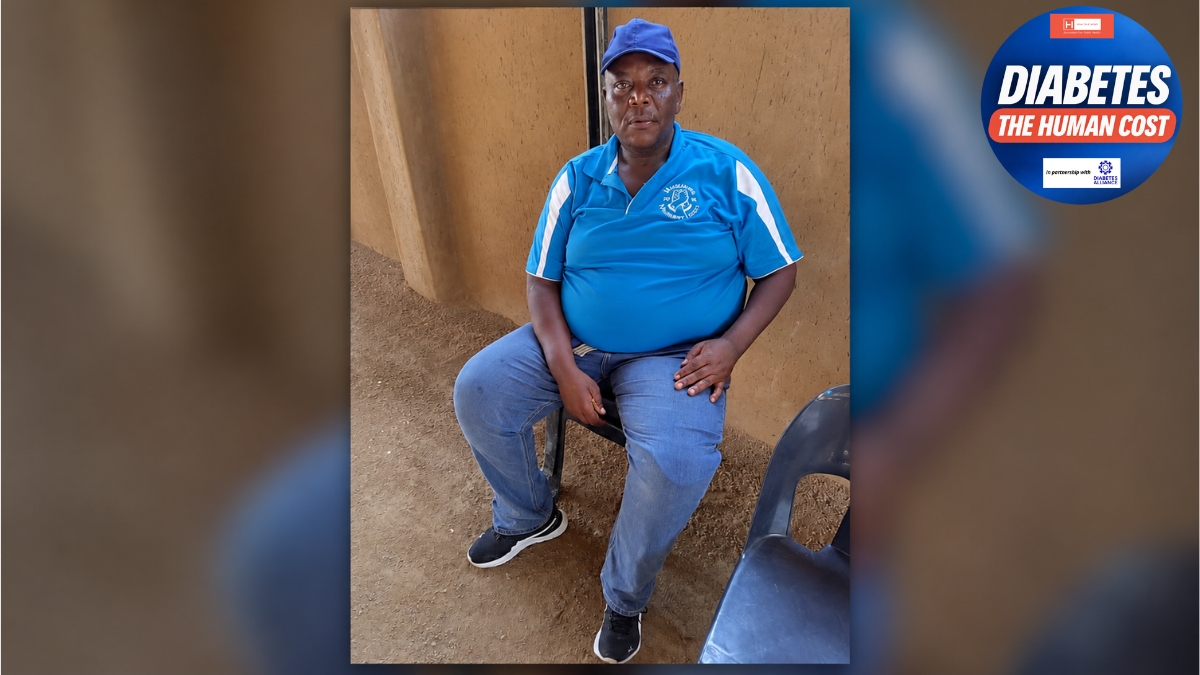
A man from Klipgat near Mabopane lost his left leg after a diabetic foot ulcer amputation followed months of traditional treatment for what he believed was sefola, a non-healing wound some attribute to supernatural causes, Health-e News reported on 10 November.
Themba Sepeng, 54, from North West Province, developed a blister under his left foot in 2021 and sought care at Dr George Mukhari Academic Hospital, according to the report by Lucas Phelwane. He says doctors did not explain its cause.
The road to diabetic foot ulcer amputation
In 2022, a similar wound appeared on his toe. “The same type of wound reappeared in 2022, and this time it was on my toe,” Sepeng said. Acquaintances suggested it was sefola, and he turned to a traditional healer, who attributed it to witchcraft. After three months of traditional treatment, his condition worsened.
He was diagnosed with diabetes in 2022 and said following the recommended diet was difficult because of the cost. In early 2023, he was referred to a specialist, and by then his foot was so infected that his left leg was amputated at Legae Private Hospital, according to the report.
Sepeng spent six months in hospital and then received wound care and rehabilitation. He now uses a prosthetic limb, drives, does household chores and manages a local football club.
“Had I taken a decision to go for medical help at first, I believe I wouldn’t have gone this far,” he said. “I am active and can spread the word that diabetes is not a death sentence to its patients.”
Culture, belief and care
In Setswana and Sepedi culture, sefola refers to a severe, non-healing skin wound or swelling traditionally believed to have supernatural causes, Health-e News explained. A study in Tshwane found that traditional health practitioners associate sefola with sores that do not heal.
Sarah Mahasha, a traditional healer with 35 years of practice in Refentse, Hammanskraal, told the publication: “We can tell if it is serunya or sefola.”
Health experts say many patients consult traditional healers before or alongside clinics, and that working with healers to recognise danger signs and refer patients early could prevent harm.
Clear communication by health workers also matters. Sepeng says he was not told what caused his first blister, and patients who do not understand that diabetes can cause foot wounds may look for other explanations, including spiritual ones.
Why diabetic feet are at risk
Diabetes can damage nerves in the feet, so people may not feel cuts, blisters or pressure sores. It also reduces blood flow, which slows healing. A small wound can become infected, and the infection can spread to bone and tissue, leading to gangrene.
A study cited by Health-e News found that 28 per cent of patients with diabetes present to primary health care clinics with diabetic foot ulcers, often at advanced stages. Diabetic foot infections can also involve infections that resist antibiotics, which makes treatment harder and amputation more likely.
Diabetic foot ulcer amputation is largely preventable. Experts recommend that people with diabetes check their feet daily, keep them clean and dry, wear well-fitting shoes, never walk barefoot, and seek care promptly for any wound, colour change or swelling.
Stopping smoking, controlling blood sugar and treating high blood pressure and cholesterol also protect blood flow to the feet. Health workers should examine the feet of people with diabetes at least once a year, and more often for those with nerve damage or previous ulcers.
What health systems can do
Regular foot examinations at diabetes clinics, using simple tests for sensation and pulses, can identify people at high risk. Patients with ulcers need wound care, offloading of pressure, infection control and good blood sugar control, ideally from a multidisciplinary foot care team.
Diabetes is now the leading underlying cause of death in South Africa, according to Statistics South Africa data reported by Health-e News last week. Amputations add to the burden on patients, families and health services, and many amputees struggle to work.
Access to prosthetic limbs and rehabilitation varies widely, and many amputees in public care wait months for a prosthesis. Sepeng’s ability to drive and work again shows what good rehabilitation can achieve.
He now shares his story to encourage others to seek care early.
Sepeng’s story is part of Health-e News’s diabetes series. His experience shows how early diagnosis, clear explanations from health workers and community awareness can prevent diabetic foot ulcer amputation for others.
Why it matters: Most diabetes-related amputations are preventable when foot wounds are treated early and patients understand the danger.
Diabetic Foot Care Tips: 8 Daily Habits That Protect… A small blister on the foot can cost a person with diabetes a leg. Researchers estimate that as many as one in three people with diabetes will develop a foot ulcer in their lifetime, and…
Diabetic Nerve Pain Relief: Easing Burning Feet and Tingling Many people with diabetes develop nerve damage, especially in the feet and legs. For some, it causes numbness. For others, it causes burning, tingling or stabbing pain that is worse at night and makes sleep…
Diabetic Eye Disease Signs: Protecting Your Sight… Diabetes is one of the leading causes of preventable blindness in working-age adults. High blood sugar slowly damages the tiny blood vessels at the back of the eye, often for years before any change in…
Diabetes in Nigeria: Why Blood Sugar Control Fails Diabetes in Nigeria does not usually fail in the clinic. Among people who reach a specialist and stay in care, control is often reasonable. It fails in the years before anyone tests you, and it…