More women are having children later in life, after completing their education, building careers or finding the right partner. Getting pregnant after 35 is very common, and many women have healthy pregnancies and babies. However, age does affect fertility and pregnancy. Understanding these changes helps you plan, act early and make informed choices.
How age affects fertility
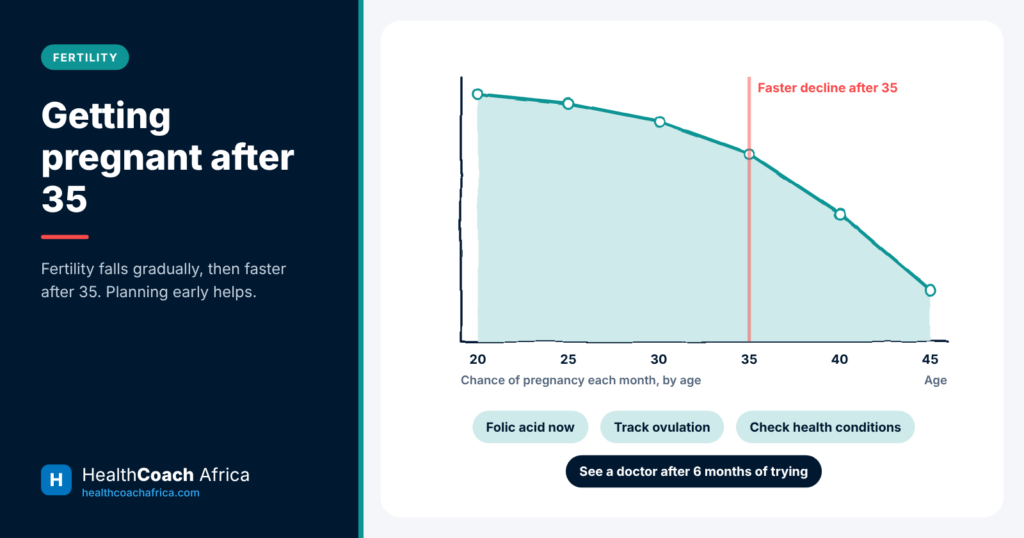
Women are born with all the eggs they will ever have. The number of eggs falls steadily over time, and the quality of eggs also declines. This decline becomes faster after about 35 and especially after 40.
As a result, it may take longer to conceive. The chance of pregnancy in each cycle falls, and the risk of miscarriage rises. According to the American College of Obstetricians and Gynecologists, fertility declines gradually from the early thirties, with a sharper drop after 37.
Egg quality and chromosomes
As eggs age, they are more likely to have chromosome abnormalities. This increases the risk of miscarriage and of conditions such as Down syndrome. Screening and diagnostic tests during pregnancy can check for these conditions.
Men’s age matters too
Male fertility also declines with age, although more gradually. Older fathers may have lower sperm quality and a slightly higher risk of some conditions in their children. Both partners’ health matters.
Getting pregnant after 35: how long might it take?
Many women in their late thirties conceive within a year of trying. However, it often takes longer than it would have at a younger age. That is why doctors recommend seeking help after six months rather than a year for women over 35. Starting tests early does not mean you will need treatment. It simply helps you understand your situation and avoid losing valuable time.
When to see a doctor
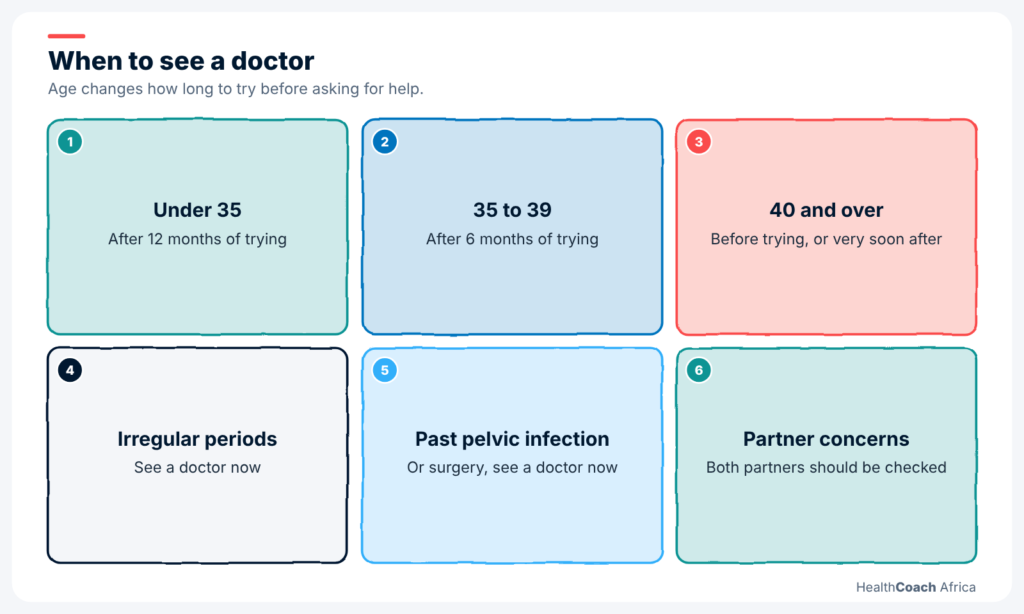
If you are 35 or older and have not conceived after six months of regular unprotected sex, see a doctor. If you are over 40, consider seeing a doctor before you start trying, or after three months. Seek help sooner if you have irregular periods, a history of pelvic infection, endometriosis or known fertility problems, or if your partner has known sperm problems.
When to seek help when getting pregnant after 35, by age and warning signs
If you have a known health condition, see a doctor before you start trying.
Tests that may help
Ovarian reserve tests, such as AMH and an ultrasound count of small follicles, estimate how many eggs remain
Hormone and ovulation tests
A test of the fallopian tubes
Semen analysis for your partner
These tests guide decisions about how long to keep trying and whether treatment is needed.
Getting pregnant after 35 with long-term conditions
Older women are more likely to have long-term conditions such as high blood pressure, diabetes, fibroids or thyroid disease. Good control before pregnancy reduces risks for mother and baby. See your doctor before trying, review your medicines and make sure your condition is stable. Some medicines need to be changed before conception.
Preparing your body
Good health before pregnancy improves your chances and lowers risks:
Take folic acid 1 400 micrograms daily, starting at least one month before trying
Reach a healthy weight
Stop smoking and avoid alcohol
Control any long-term conditions, such as high blood pressure, diabetes or thyroid disease
Review your medicines with a doctor or pharmacist
Check your rubella immunity and other vaccines
Know your genotype and your partner’s
Timing sex
Having sex every two to three days throughout the cycle covers the fertile window. You can also track ovulation using cervical mucus or ovulation kits 2 to focus on the most fertile days.
HUBPHARM PHARMACIST’S NOTE Fertility medicines and prenatal vitamin 3 s vary widely in quality and price. Some imported supplements contain more vitamin A than is safe in pregnancy. Ask a HubPharm pharmacist to review your vitamins and any prescribed fertility medicines. We will help you choose genuine products at the right doses.
Fertility treatment options
If you need help, options include:
Ovulation induction with tablets or injections
Intrauterine insemination (IUI)
IVF, which may offer the best chance for some women over 35, especially with other fertility problems
IVF with donor eggs, which has higher success rates for women in their forties
Success rates for all treatments fall with age, so starting early matters.
Screening tests in pregnancy
Women who become pregnant after 35 are offered screening for chromosomal conditions such as Down syndrome. Options may include blood tests, ultrasound scans and, if needed, diagnostic tests such as amniocentesis. Discuss these choices with your doctor. Screening is your decision, and good information helps you choose what is right for you.
Miscarriage risk and support
The risk of miscarriage rises with age. Miscarriage is heartbreaking, and it is not caused by anything the woman did. Most women who miscarry go on to have healthy pregnancies later. If you have two or more miscarriages, ask about tests to look for a cause. Emotional support is important after any loss.
Pregnancy after 35: higher risks
Pregnancy after 35 is usually healthy, but some risks are higher:
High blood pressure and pre-eclampsia
Gestational diabetes
Twins, especially with fertility treatment
Placenta problems
Caesarean birth
Premature birth and low birth weight
Regular antenatal care helps detect and manage these early.
Questions to ask your doctor
Should we have fertility tests now, or keep trying?
What do my ovarian reserve results mean?
How long should we try before considering treatment?
Which treatments would suit us, and what are the success rates for my age?
What extra checks will I need during pregnancy?
Taking folic acid and prenatal vitamins
Start folic acid at least one month before trying. Some women over 35, including those with diabetes or a higher body weight, may need a higher dose. Ask your doctor. A prenatal vitamin with iodine and vitamin D may also help. Avoid high-dose vitamin A supplements, which can harm the baby.
Your partner’s role
Fertility is a shared journey. Your partner should have a semen analysis early, especially if you have been trying for six months. Men can improve sperm quality by stopping smoking, limiting alcohol, keeping a healthy weight and avoiding excessive heat around the testicles. Supporting each other emotionally makes getting pregnant after 35 less stressful.
Lifestyle tips for getting pregnant after 35
Keep a healthy weight
Eat a balanced diet rich in vegetables, beans, fish and whole grains
Stay active with regular moderate exercise
Limit caffeine to about two cups of coffee a day
Avoid smoking, alcohol and recreational drugs
Manage stress with rest, prayer, exercise or counselling
Have sex regularly throughout the cycle
These steps support fertility at any age and are especially helpful when getting pregnant after 35.
Egg freezing
Some women freeze their eggs at a younger age to preserve fertility for later. Egg freezing works best when done before 35. It does not guarantee a future pregnancy, but it can improve the chances.
Emotional wellbeing
Trying to conceive at an older age can bring pressure from family, society and yourself. Stress, comparisons and fear of “running out of time” are common. Support from your partner, friends, counsellors or support groups can help you cope.
Myths about getting pregnant after 35
“It is almost impossible to get pregnant after 35.” Many women conceive naturally after 35, especially in their late thirties.
“IVF can overcome any age-related decline.” IVF success also falls with age.
“Only the woman’s age matters.” Male age and health matter too.
Balancing work and fertility care
Fertility tests and treatment often need several appointments at short notice. Talk to your employer about flexible hours where possible. Keep a calendar of tests, cycle days and results. Plan ahead for time off during treatment cycles. Getting pregnant after 35 is easier to manage when you prepare for these demands. Ask your clinic for early morning appointments if they offer them.
With folic acid, iodine and vitamin D. Avoid high-dose vitamin A.
To order any of these, or to ask a pharmacist a question first, message HubPharm on WhatsApp or visit hubpharmafrica.com. Prescription medicines are supplied against a valid prescription.
Preparing for Pregnancy Checklist: A Healthy Start… The months before pregnancy are an important time to prepare. Many of a baby's organs form in the first weeks, often before a woman knows she is pregnant. Good health before conception lowers the risk…
Understanding Female Fertility: Factors, Diagnosis,… Female fertility refers to a woman's ability to conceive and carry a pregnancy to term. It is a complex and dynamic process that is influenced by various factors, including hormonal balance, reproductive anatomy, and overall…
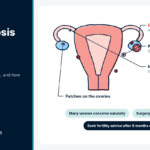
Endometriosis and Getting Pregnant: What Women Need to Know Endometriosis is a common condition that causes painful periods, pelvic pain and, for some women, difficulty conceiving. Many women in Nigeria live with symptoms for years before diagnosis, because severe period pain is often dismissed…
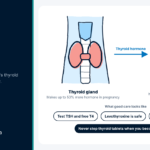
Thyroid Disease in Pregnancy: Risks, Tests and Safe… The thyroid is a small gland in the neck, but during pregnancy it carries a heavy load. For the first three months, a baby depends entirely on the mother's thyroid hormone for brain development. Thyroid…