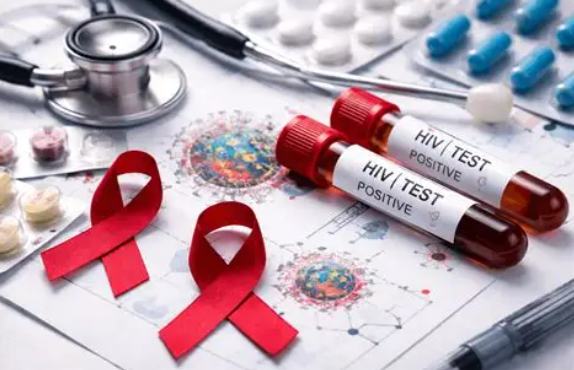
ACCRA, GHANA — Ghana has documented a 14-percent decline in estimated human immunodeficiency virus incidence over the past 18 months, reflecting the impact of expanded treatment programmes, prevention initiatives, and community engagement strategies across regions with varying disease burdens. The health ministry attributed progress to sustained investment in testing accessibility and consistent antiretroviral medication delivery.
Infection rate declines were documented through population-based surveys and treatment programme data integration, providing contemporary estimates of disease transmission patterns. Reductions concentrated in urban areas and among younger age cohorts, suggesting that prevention messaging and testing expansion particularly benefited populations most engaged with health services. Rural areas and specific demographic groups continued showing elevated incidence, indicating that targeted interventions require geographic and demographic precision.
Key Indicators & Epidemiological Benchmarks
The national healthcare report outlines core progress metrics and strategic focus areas driving the national response:
Parameter / Metric
Operational Standard & Target
Incidence Reduction
14% decline over 18 months
Highest Reduction Areas
Urban centers and younger age cohorts
Key Interventions
Rapid ART initiation, self-testing expansion, PMTCT
Structural Support
Economic aid, GBV reduction, mental health integration
Primary Data Source
Citi Newsroom / Ministry of Health Ghana
Why Ghana HIV Incidence Falls 14% via Expanded Treatment Services
Treatment programme expansion has enabled rapid initiation of antiretroviral therapy for individuals with diagnosed infections, reducing transmission potential through viral suppression. Healthcare facility capacity strengthening improved consistent medication supply and patient retention in long-term treatment. Community health worker engagement enhanced treatment adherence through structured follow-up and addressing barriers to clinic attendance.
Testing accessibility expanded through combination strategies including facility-based testing, community testing campaigns, and self-testing product availability. Diagnostic capacity strengthening reduced delays between testing and treatment initiation, shortening the infectious period preceding therapy. Integration with maternal health programmes enhanced testing coverage among pregnant women, preventing vertical transmission to infants.
Community Engagement and Social Determinant Interventions
Prevention messaging emphasizing partner notification and testing encouraged individuals to disclose status to sexual partners, triggering cascade testing in sexual networks. As Ghana HIV incidence falls 14%, rights-based approaches balanced disease control messaging with individual autonomy and confidentiality protections. Healthcare worker competency in non-judgmental counselling improved patient comfort disclosing risk factors and relationship structures.
Social determinant interventions addressed underlying factors driving elevated HIV incidence among vulnerable populations. Economic support and food security programmes reduced transactional sex among women facing economic hardship. Gender-based violence reduction programmes addressed intimate partner violence facilitating involuntary HIV transmission. Mental health integration supported psychosocial wellbeing among individuals managing chronic HIV infection or living with HIV-affected family members.
Surveillance systems tracking HIV prevalence and incidence provide epidemiological data informing programme refinements. Cost-effectiveness analysis of treatment and prevention strategies guides resource allocation toward highest-impact interventions. International collaboration strengthens Ghana’s technical capacity for sustained progress toward elimination targets.
Why It Matters: Sustained HIV incidence decline through integrated testing, treatment, and prevention strategies advances Ghana toward elimination targets while reducing infection burden across diverse populations.
Diabetes in Nigeria: Why Blood Sugar Control Fails Diabetes in Nigeria does not usually fail in the clinic. Among people who reach a specialist and stay in care, control is often reasonable. It fails in the years before anyone tests you, and it…
AI in Healthcare: A Strategic Guide for African… How should healthcare organizations in Africa approach emerging artificial intelligence solutions? In an era where artificial intelligence (AI) is rapidly advancing in the realm of healthcare, African health organizations are presented with the challenge of…
Chronic Pain Management in African Women: A… Chronic pain, characterized by persistent discomfort lasting for more than three to six months, is a global health challenge that affects millions of individuals. In the context of Africa, chronic pain poses unique considerations, and…
Tuberculosis Symptoms and Treatment: What You Need to Know Tuberculosis, or TB, is one of the oldest diseases known to humans, and it remains a major killer. Nigeria has one of the highest TB burdens in Africa, and many people with the disease have…