ACCRA, GHANA — The Ghana Health Service (GHS) says it has contained a Ghana yellow fever outbreak that ran from September to mid-October, after laboratory tests confirmed four cases in the north of the country, MyJoyOnline reported on 2 November.
Director-General Dr Samuel Kaba Akoriyea told TV3 on Sunday that the cases were recorded in Sissala West, Wa West, Etu and Nadowli-Kaleo. Samples were sent to Dakar, Senegal, for confirmation. “We had an outbreak of yellow fever, but it has been curtailed,” he said.
How the Ghana yellow fever outbreak was handled
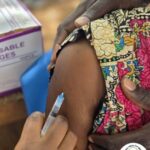
Akoriyea said cases “came confirmed from Dakar”, and that health authorities responded with vaccination campaigns to limit spread. The GHS is also investigating reports of deaths in some affected communities to determine whether yellow fever was the cause, according to the report.
Sending samples to Dakar is common in West Africa, because the Institut Pasteur de Dakar is a WHO regional reference laboratory for yellow fever. Confirmation there can take time, which is why health authorities often begin vaccination in affected areas as soon as suspected cases appear rather than waiting for final results.
Sissala West, Wa West and Nadowli-Kaleo are districts in Ghana’s Upper West Region, near the border with Burkina Faso. Etu is listed separately in the report, and the GHS did not give the region for it.
Yellow fever, vaccines and outbreaks
Yellow fever is a viral disease spread by Aedes and Haemagogus mosquitoes. Many infected people have mild symptoms or none, but some develop fever, muscle pain, headache, nausea and vomiting, and a smaller group goes on to a severe phase with jaundice, bleeding and organ failure. Severe cases have a high death rate, and there is no specific antiviral treatment, so care focuses on supportive treatment.
A single dose of yellow fever vaccine gives lifelong protection for most people. The vaccine is part of routine childhood immunisation in Ghana and is required for many international travellers. Outbreaks usually occur where vaccination coverage has fallen or where people have moved into areas without having been immunised.
Reactive vaccination campaigns aim to protect everyone in and around the affected communities quickly, interrupting transmission before the virus can reach towns and cities where Aedes mosquitoes are common. Urban yellow fever can spread rapidly in densely populated areas, which is why early containment in rural districts is a priority.
Containing the Ghana yellow fever outbreak quickly also protects neighbouring countries. The Upper West Region borders Burkina Faso, and population movement across the border for trade and farming means outbreaks on either side can spread. Regional coordination on surveillance and vaccination is therefore part of the response, as it has been for Ebola preparedness.
Health authorities also typically step up surveillance for jaundice and fever, strengthen mosquito control and educate communities to seek care promptly. People are advised to protect themselves from mosquito bites, especially during daytime when Aedes mosquitoes are active.
The Ghana yellow fever outbreak comes while the GHS is also preparing for possible Ebola cases, after confirmed infections in Kenya and Nigeria. Akoriyea said last week that Ghana remained in the preparedness stage for Ebola, with around 33 institutions involved. Managing several outbreak threats at once places strain on surveillance teams, laboratories and vaccine supplies.
Ghana has experienced yellow fever outbreaks before, particularly in northern regions, and the country has received vaccine support through international stockpiles for emergency campaigns. The availability of vaccine through such mechanisms allows rapid response even when routine supplies are limited.
Routine immunisation remains the most effective long-term defence. When high coverage is maintained among children and adults in high-risk areas, the chance of outbreaks falls significantly.
In many countries in the yellow fever belt, older children and adults who missed routine vaccination remain unprotected, which is why preventive mass campaigns are sometimes used to close immunity gaps across whole populations. The global Eliminate Yellow Fever Epidemics strategy, led by WHO and partners, aims to protect at-risk populations through such campaigns and strengthened routine immunisation.
For residents of affected districts, the main advice is to ensure that everyone in the household has been vaccinated, to seek care promptly for fever with yellowing of the eyes or skin, and to reduce mosquito breeding sites such as uncovered water containers around homes.
MyJoyOnline’s report did not say how many people were vaccinated in the response campaigns, how many deaths are under investigation, or whether the outbreak has been formally declared over.
Why it matters: Fast reactive vaccination stopped yellow fever spreading from rural districts, but gaps in routine immunisation keep northern Ghana at risk.
Ghana Vaccinates Upper West Districts Against Yellow… WA, GHANA — The Ghana Health Service (GHS) has completed an intensive five-day reactive campaign providing yellow fever vaccination in ghana across three vulnerable districts in the Upper West Region, targeting approximately 244,869 residents following…
Unpaid US$64,510 Cloud Bill Takes Ghana Health Data… ACCRA, GHANA — The Ghana Health Service (GHS) has lost access to its national Ghana health information systems, including the District Health Information Management System (DHIMS2), after its cloud hosting provider switched off its servers over…
Ghana Health Minister Says Country Is Ready for Any… ACCRA, GHANA — Ghana’s Health Minister Kwabena Mintah Akandoh has urged the public not to panic, saying Ebola preparedness in Ghana includes thermal scanners at the airport, electronic health declaration forms, laboratory testing and an…
Zamfara Confirms Dengue Fever Outbreak as Deaths Rise to 46 GUSAU, NIGERIA — The Zamfara State Government has confirmed that a Zamfara dengue fever outbreak caused an illness that has killed 46 people in Shinkafi, Moriki and nearby communities, with 366 suspected cases recorded, AIT reported…