Delegates at the Kenya International Cancer Conference in Mombasa have called for wider use of artificial intelligence in cancer diagnosis, bulk purchasing of cancer medicines and more specialists, as the government reported expanded insurance cover for cancer treatment, The Standard and other outlets reported between 19 and 22 November.
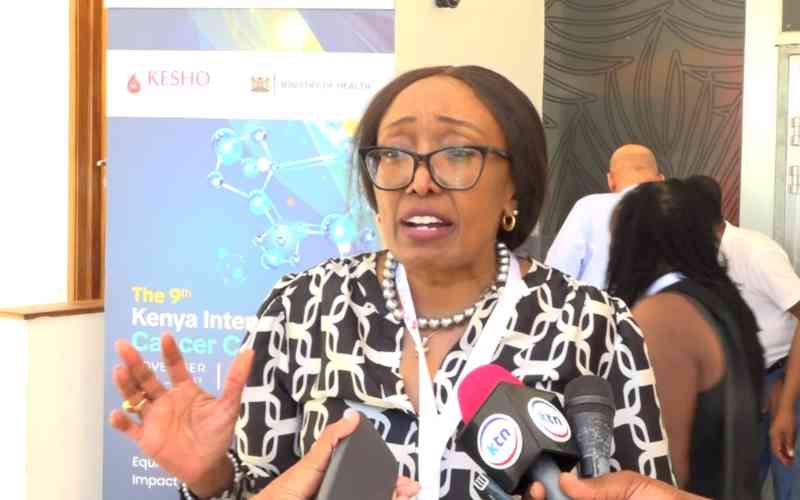
The ninth Kenya International Cancer Conference, organised by the Kenya Society of Haematology and Oncology (KESHO) under the theme “Equity, Excellence and Sustainable Impact in Cancer Care,” drew more than 600 participants from Kenya, Tanzania, Uganda and South Sudan, according to The Standard.
Funding updates at the Kenya International Cancer Conference
Health Cabinet Secretary Aden Duale opened the conference, HealthCare Middle East and Africa reported on 22 November. According to that report, 33.7 million Kenyans are registered with the Social Health Authority (SHA), 53,465 patients have used SHA for cancer treatment and KSh 11.6 billion has been paid to facilities for oncology claims.
The oncology benefit limit was raised from KSh 550,000 to KSh 800,000 per patient from 1 December 2025, the report said. An agreement with Pfizer has lowered the prices of nine cancer medicines by 70 to 90 per cent, and a Roche agreement cut the price of Herceptin from KSh 120,000 to KSh 40,000 per session for SHA-covered patients.
“Kenya has fewer than 100 cancer specialists nationally,” the report said. More than 107,000 community health promoters are mobilising households for early screening, and more than four million girls have received the HPV vaccine, according to the report.
The report also said Kenya has six comprehensive cancer care centres and at least 13 counties with oncology programmes, and that order fill rates at the Kenya Medical Supplies Authority exceed 90 per cent for most products.
AI in cancer care
Prof. Joseph Aluoch, a veteran physician, told delegates that “AI-powered pathology and predictive analysis systems could play a significant role in detecting cancer,” including analysing Pap smear cells for cervical cancer, The Standard reported.
“AI is just a tool that will help doctors work better rather than replace them,” Aluoch said. He urged facilities to strengthen electronic health records so they can share information, noting that patient data from Mombasa may not be available in Kisumu, and called for the ethical use of AI.
He said doctors who do not embrace AI will be replaced by those who do, but stressed that AI does not create the data it analyses and depends on good records, The Standard reported. Kiarie said AI is already used in multidisciplinary team meetings, diagnostics and treatment planning.
Bulk buying and screening
KESHO President Dr Gladwell Kiarie urged the government to use bulk purchasing to negotiate discounts on cancer drugs through SHA. “SHA should say I bring you most patient, give me a discount and translate the discount to the patient,” she said, according to The Standard.
At a partners’ meeting before the conference, Kiarie described early screening as “Kenya’s most powerful tool” against cancer and called for comprehensive cancer mapping to guide policy, the Kenya News Agency reported.
Differing burden estimates
Estimates of Kenya’s cancer burden differ between sources. Citing GLOBOCAN, The Standard and HealthCare Middle East and Africa reported about 35,867 new cases and 22,888 deaths a year, while the Kenya News Agency report cited around 47,000 new cases and more than 32,000 deaths a year.
The most common cancers in Kenya are cervical, breast, prostate, oesophageal and colorectal cancers, and late diagnosis, smoking, alcohol use and infections are among the drivers, the Kenya News Agency reported.
What it means for patients
As general background, cancer treatment costs can quickly exhaust family savings, so insurance cover and lower drug prices are central to keeping patients in care. Late diagnosis remains the biggest barrier to survival in Africa, because cancers found early are cheaper and easier to treat.
The Kenya International Cancer Conference also highlighted the role of community health promoters, who can encourage screening for cervical, breast and prostate cancer and help patients navigate referrals.
Early detection campaigns are particularly important in rural counties, where access to specialists is limited.
The shortage of oncologists means that training more specialists, and supporting general doctors, nurses and pharmacists to manage parts of cancer care, will be needed alongside new technology. HealthCoach Africa’s cancer care hub explains warning signs and screening options.
The Kenya International Cancer Conference outcomes are expected to feed into national cancer policy as SHA expands its oncology benefits.
Why it matters: Kenya is widening cancer cover and cutting drug prices, but with fewer than 100 specialists, early detection and smarter tools are vital.
Diabetes in Nigeria: Why Blood Sugar Control Fails Diabetes in Nigeria does not usually fail in the clinic. Among people who reach a specialist and stay in care, control is often reasonable. It fails in the years before anyone tests you, and it…
Mosquito Control at Home: Protecting Your Family… Mosquitoes are more than a nuisance. In Nigeria, the Anopheles mosquito carries malaria, which kills many children every year. Other mosquitoes spread dengue, yellow fever and other infections. Much of the fight against mosquitoes happens…
Nutrition During Cancer Treatment: What to Eat and Why Cancer and its treatment place heavy demands on the body. Chemotherapy, radiotherapy and surgery all increase your need for energy and protein, while side effects such as nausea and mouth sores make eating harder. Good…
Tramadol and Codeine Addiction: Signs, Dangers and… Tramadol and codeine are opioid medicines used to relieve pain and, in the case of codeine, to suppress coughs. Used correctly for a short time, they are helpful. However, misuse has become a serious problem…