ABUJA, NIGERIA — Nigeria has started local production of family planning commodities, an official of the Federal Ministry of Health and Social Welfare said, a move intended to improve access to contraception and reduce dependence on imports, the News Agency of Nigeria (NAN) reported on 11 November.
“We have started local production of family planning commodities in Nigeria,” said Dr Samuel Oyeniyi, Head of Department, Family Health, Reproductive Health Division, at a maternal health panel during the 2026 Joint Annual Review in Abuja. The report did not name the products or manufacturers involved.
Why local production of family planning matters
Nigeria needs about 350 million US dollars a year for family planning commodities and services, and the government and development partners currently provide about 60 per cent of that, Oyeniyi said. Much of the supply has historically been imported and funded by donors.
The local production of family planning commodities could reduce costs, shorten supply chains and protect the country from disruptions when donor funding falls or global supplies are delayed. It also fits the government’s wider push to expand domestic pharmaceutical manufacturing, which officials say now accounts for 50 per cent of the market.
Modern contraceptive prevalence has risen from 12 per cent in 2018 to 18 per cent, according to demographic and health survey data cited by Oyeniyi. Despite the increase, many women who want to delay or avoid pregnancy are still not using a modern method.
Integrating family planning into maternal care
The ministry is integrating family planning into maternal and child health services, including postpartum family planning and post-abortion care, Oyeniyi said. Three service integration documents will be inaugurated during the review, alongside efforts to harmonise commodity quantification and distribution.
Postpartum family planning, offered soon after a woman gives birth, helps space pregnancies. Short intervals between births are linked to higher risks of preterm birth, low birth weight and maternal complications.
Dr Bushrah Alam of the Global Financing Facility urged governments to protect domestic funding for reproductive, maternal, newborn and child health as development aid declines, and urged states to meet co-financing commitments. Dr Mary Brantuo of WHO’s Nigeria office said only about half of Nigerian women access skilled birth attendants and called for stronger community health workers and better maternal and child death surveillance.
Results from states
Dr Abubakar Yusuf, Kano State Commissioner for Health, said recorded maternal deaths in the state fell from 1,025 to 588 between 2023 and 2026, a drop of over 30 per cent, and more than 7,000 women were managed without complications. In Ogun State, deliveries increased from 30,777 to over 35,000 and community first responders transported more than 7,000 pregnant women, said Dr Elijah Ogunsola, former Executive Secretary of the Ogun State Primary Health Care Board.
What it means for women and pharmacies
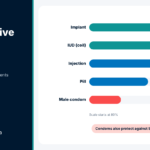
Reliable supplies of contraceptives, including pills, injectables, implants, intrauterine devices and condoms, allow women to choose a method that suits them and continue using it without interruption. Stock-outs force women to switch methods or stop, increasing the risk of unintended pregnancy.
Unintended pregnancies carry health risks, especially for adolescents and women with closely spaced births, and can lead to unsafe abortion, which remains a significant cause of maternal deaths in Nigeria. Reliable access to contraception is therefore part of efforts to reduce maternal mortality.
Nigeria’s National Sexual and Reproductive Health Policy for 2026 to 2030 is also due to be unveiled during the Joint Annual Review, which could set new targets for contraceptive use and service integration.
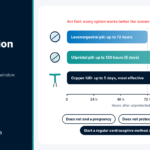
Community pharmacies and patent medicine vendors are important sources of contraceptives in Nigeria, especially pills, condoms and emergency contraception. Affordable, quality-assured local products could expand choice at these outlets, provided they are registered by NAFDAC and supported by counselling.
Pharmacists can help women understand how each method works, what side effects to expect and when to seek medical advice, which improves continuation.
Government officials did not say when locally made products would be widely available in public clinics, or whether prices would fall for consumers buying contraceptives at pharmacies. Those details will show how much the local production of family planning commodities changes access in practice.
Partners welcomed the move as a step towards self-reliance.
Quality will be essential. Locally made products must meet international standards and be monitored after they reach the market. The success of the local production of family planning commodities will depend on regulation, procurement by government and partners, and fair prices for consumers.
Why it matters: Local contraceptive supply could reduce stock-outs and costs as donor funding falls, helping women plan pregnancies safely.
Contraceptive Options in Nigeria: A Guide to Making… Family planning allows women and couples to decide whether and when to have children, and how many. It improves the health of mothers and babies, supports education and careers, and strengthens families. Yet many Nigerians…
Emergency Contraception in Nigeria: Pills, Timing… A condom breaks. A pill is forgotten. Sex happens without protection, or without consent. In each case, there is still a short window in which pregnancy can be prevented. Emergency contraception in Nigeria is legal,…
Nigeria Accounts for a Quarter of Global Maternal… ABUJA, NIGERIA — Nigeria accounts for at least 25 per cent of maternal deaths recorded worldwide, and one in 22 Nigerian women risks dying in pregnancy or childbirth, a United Nations official said, underlining the…
Nigeria Targets 90% Functional Health Centres and… ABUJA, NIGERIA — Nigeria aims to make at least 90 per cent of its primary health care centres (PHCs) functional and cover 40 per cent of Nigerians with health insurance by 2031, Minister of State…