“You have malaria and typhoid.” It is one of the most common diagnoses given in Nigeria, and millions of people are treated for both at the same time. Yet malaria and typhoid fever are two different diseases with different causes, tests and medicines. True double infection does occur, but far less often than laboratory slips suggest. Understanding the difference protects your health and your pocket.
Two different diseases
Malaria is caused by a parasite that enters the blood through the bite of an infected mosquito. Typhoid, on the other hand, is caused by a bacterium called Salmonella Typhi. It spreads through food and water contaminated with human waste. As a result, one disease is about mosquitoes, while the other is about sanitation. Nigeria has a heavy burden of both, which is why they are so often confused.
How the symptoms differ
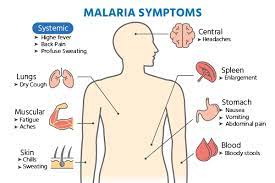
Malaria usually causes:
Fever that comes and goes, with chills and sweating
Headache and body aches
Tiredness, nausea and vomiting
Symptoms that begin 10 to 15 days after the mosquito bite
Typhoid usually causes:
Fever that builds gradually over several days and stays high
Abdominal pain, with constipation or diarrhoea
Weakness and loss of appetite
Sometimes a dry cough or a faint rash on the chest
However, the two overlap so much that no one can separate them by symptoms alone. Testing is essential.
Why malaria and typhoid fever are over-diagnosed together
The problem lies with the Widal test, which is still the most widely used typhoid test in Nigeria. It looks for antibodies, not for the bacteria. In areas where typhoid is common, many healthy people already carry these antibodies from past exposure. Furthermore, malaria and other infections can cause a false positive result. Many laboratories also report low antibody levels as positive, which adds to the confusion.
Consequently, a single Widal test cannot confirm typhoid. The more reliable test is a blood culture, taken before any antibiotic is started. For malaria, a rapid diagnostic test or microscopy gives a dependable answer within minutes.
What unnecessary treatment costs you
Treating both diseases “to be safe” feels cautious. In practice, it causes real harm:
Money. You pay for tests and medicines that you do not need.
Side effects. Antibiotics can cause diarrhoea, rashes and allergic reactions.
Resistance. Each unnecessary course helps typhoid bacteria learn to survive antibiotics. Strains resistant to several medicines have already spread in parts of Africa and Asia.
Missed diagnosis. While you take the wrong treatment, the real cause continues.
That last point matters most. A fever blamed on malaria and typhoid fever may in fact be a urine infection, pneumonia, hepatitis, tuberculosis or HIV. Therefore, a person who is treated for “malaria-typhoid” every month needs a proper medical review, not another combination pack.
Can you really have both at once?
Yes, it is possible. Both infections are common in areas with many mosquitoes and poor sanitation, so some patients do carry the two together. However, studies that confirm typhoid with blood culture find true double infection far less often than Widal results suggest. In other words, the combination is real but uncommon. Each disease should be confirmed with its own reliable test.
The right way to test and treat
Because malaria and typhoid fever need different medicines, follow these steps:
Test every fever for malaria first. Use a rapid test or microscopy at a clinic, laboratory or pharmacy.
If malaria is confirmed, complete the treatment. Take the full three-day course of artemisinin-based combination therapy (ACT), even if you feel better after the first day.
If the fever continues, return to a doctor. If the malaria test is negative, or the fever persists after treatment, you need further assessment. A doctor can look for typhoid, a urine infection or another cause.
Take antibiotics only on prescription. Typhoid needs the correct antibiotic at the correct dose for the full duration.
Avoid “malaria-typhoid” combination packs and injections given on a guess. They waste money, expose you to side effects and drive antibiotic resistance. Worse still, they can hide the real cause of your illness.
How each disease is treated
The treatments for malaria and typhoid fever have nothing in common, which is why the diagnosis matters.
Malaria. Uncomplicated malaria is treated with artemisinin-based combination therapy for three days. Take each dose with food or milk, because fat helps the medicine to be absorbed. If you vomit within 30 minutes of a dose, take it again. Paracetamol helps with fever. Most people feel better within two to three days, but the full course must still be completed.
Typhoid. A doctor chooses the antibiotic according to local resistance patterns and how sick you are. Treatment usually lasts one to two weeks, and severe cases need injections in hospital. Rest, fluids and light meals support recovery. Fever often takes several days to settle, so do not switch medicines on your own.
When fever keeps coming back
Repeated fever is frustrating, and it usually has an explanation:
The earlier course was not completed
The medicine was fake or of poor quality
You were bitten and infected again
The original diagnosis was wrong
To reduce the risk of poor-quality medicine, buy from a licensed pharmacy and check the NAFDAC number. If fever returns within a month, see a doctor for a fuller assessment. This may include a blood count, a urine test and other investigations.
Danger signs that need urgent care
Fever lasting more than three days
Persistent vomiting or inability to drink
Severe abdominal pain or a swollen, hard abdomen
Black or bloody stools
Confusion, convulsions or extreme weakness
Yellow eyes or dark urine
In rare cases, untreated typhoid can make a hole in the intestine, which needs emergency surgery. Children under five and pregnant women should always be seen quickly.
Preventing both diseases
To prevent malaria, sleep under an insecticide-treated net every night and clear stagnant water around your home. To prevent typhoid, drink treated or boiled water and wash your hands with soap after using the toilet and before handling food. In addition, eat food that is freshly cooked and still hot. A typhoid vaccine is also available, so ask your doctor about it.
Typhoid carriers and safe food
Some people continue to carry typhoid bacteria for months after they recover, even though they feel well. They can pass the infection on through food they prepare. For that reason, handwashing with soap after using the toilet is essential for cooks, food vendors and anyone who feeds a household.
When you eat out, choose food that is served hot. Be cautious with salads, cut fruit and drinks containing ice of unknown origin. At home, keep drinking water covered and store cooked food away from flies.
Frequently asked questions
Is the Widal test useless?
A single Widal test is too unreliable to confirm typhoid in Nigeria. It should not be the only basis for treatment.
Can I treat malaria and typhoid fever together to be safe?
No. Take only what a reliable test and a qualified health worker support.
Does typhoid spread from person to person?
It spreads through food or water contaminated with the stool of an infected person. It does not spread through the air or by casual contact.
Can children and pregnant women take the same treatment?
Not always. Doses and choice of medicine differ, so both groups should be seen by a health worker and not treated from a shop.
How do I know my malaria test is reliable?
Rapid tests and microscopy done at a registered laboratory, clinic or pharmacy are dependable when the kit is in date and stored correctly.
The takeaway
Malaria and typhoid fever are both serious, and both are treatable. The safest approach is simple: test first, treat what is confirmed and return to a doctor if you do not improve. Asking “which test showed this?” is one of the most useful health questions you can learn.
Getting help
If you have been told you have malaria and typhoid fever, ask which tests were done and what they showed. HubPharm pharmacists can explain your results and check that your medicines match the diagnosis. You can also read our complete guide to malaria symptoms, treatment and prevention or the World Health Organization’s typhoid fact sheet.
Please follow and like us:
Views:81
Related Posts:
Recurrent Malaria: Understanding the Cycle of a… Malaria, a mosquito-borne infectious disease caused by the Plasmodium parasite, continues to be a major global health concern especially in Africa. While significant progress has been made in reducing malaria-related deaths and cases over the…
Malaria: Understanding Symptoms, Treatment,… In this article, we will discuss the symptoms, treatment and prevention of malaria. Furthermore, we will highlight global efforts and challenges in eradicating malaria in our world Malaria, a life-threatening mosquito-borne disease, continues to…
Diabetes in Nigeria: Why Blood Sugar Control Fails Diabetes in Nigeria does not usually fail in the clinic. Among people who reach a specialist and stay in care, control is often reasonable. It fails in the years before anyone tests you, and it…
Tuberculosis Symptoms and Treatment: What You Need to Know Tuberculosis, or TB, is one of the oldest diseases known to humans, and it remains a major killer. Nigeria has one of the highest TB burdens in Africa, and many people with the disease have…