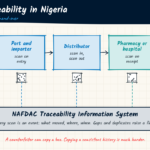
LAGOS, NIGERIA — Pharmaceutical wholesalers and regulatory bodies are advocating for the complete implementation of the National Drug Distribution Guidelines to protect supply chains against substandard and falsified medications. The call was emphasized at the fourth Thematic General Assembly of the African Pharmaceutical Distribution Association (APDA) in Lagos, focusing on securing medicine distribution in nigeria against illegitimate products.
Industry leaders highlighted that open drug markets and inconsistent storage conditions compromise drug safety. Transitioning trade exclusively into licensed, regulated channels is viewed as critical to ensuring product traceability from manufacturer to patient.
Supply Chain Risks and Medicine Distribution in Nigeria
Data shared by regulators at the Pharmacy Council of Nigeria (PCN) details key structural vulnerabilities within the national pharmaceutical supply network:
Risk Domain
Operational Impact & Systemic Vulnerabilities
Market Vulnerability
Unregulated open markets foster the entry of counterfeit and falsified products
Storage Integrity
Substandard storage causes silent potency loss in temperature-sensitive drugs
Cross-Border Routes
Porous regional borders enable informal distribution networks across Central/West Africa
Regulatory Deficits
Delayed governance approvals and limited resources constrain inspection capacity
Strategic Imperatives for Medicine Distribution in Nigeria
To eliminate unregulated open drug markets and establish verifiable chains of custody, industry stakeholders are prioritizing key operational interventions for medicine distribution in nigeria:
Regulated Wholesale Centers: Shifting wholesale activity from open markets to audited, licensed Coordinated Wholesale Centers (CWCs).
Advanced Supply Chain Technology: Exploring artificial intelligence and digital serialization to track drug shipments and detect counterfeit entries.
Storage and Return Standards: Enforcing strict climate-controlled storage rules and prohibiting returned medicines from re-entering sellable inventory without quarantine.
Guarding Chronic Care Patients Against Silent Potency Loss
Patients managing long-term conditions—such as hypertension or diabetes—face severe health risks when exposed to degraded or counterfeit pharmaceuticals. Because compromised medicines often look identical to genuine products, patients may experience treatment failure without obvious signs. Enforcing controlled distribution networks provides the primary defense against silent clinical complications.
Why It Matters: Falsified and degraded drugs fail silently; establishing a fully controlled, traceable distribution chain is essential to safeguard patients across Nigeria.
Medicine Traceability in Nigeria: How a Barcode… A fake antimalarial looks exactly like a real one. The box, the blister and the colour of the tablet can all be copied. What cannot be copied easily is a unique digital identity that is…
NAFDAC's Plan to Review Sanctions on Exporters of… The National Agency for Food and Drug Administration and Control (NAFDAC) has announced its intention to review the sanctions imposed on exporters of substandard products [1]. This decision comes in response to the increasing rejection of…
NACCIMA Honours NAFDAC DG Adeyeye for Regulatory… LAGOS, NIGERIA — The Nigerian Association of Chambers of Commerce, Industry, Mines and Agriculture (NACCIMA) has honoured Mojisola Adeyeye for NAFDAC DG regulatory reforms that business leaders say have strengthened public health protection and industry development,…
Drug Manufacturing in Nigeria: Is the Executive… When the naira lost more than half its value in 2023 and 2024, Nigerians felt it at the pharmacy counter before they felt it almost anywhere else. Prices of common medicines climbed sharply because most…