ABUJA, NIGERIA — The Federal Government of Nigeria has activated more than 1,400 primary health centres nationwide to provide basic vision services and screened over 1.5 million schoolchildren for visual impairments.Announced during World Sight Day commemorations, the initiative accelerates eye care in nigeria by bringing diagnostic and preventive services directly into local communities.
Speaking on behalf of the Minister of State for Health and Social Welfare, Doris Afam-Aneke emphasized that expanding primary eye care ensures that vision testing, prescription spectacles, and surgical referrals are accessible at the point of primary care.
Program Metrics and Eye Care in Nigeria Expansion
Data disclosed by the Federal Ministry of Health outlines operational milestones and national capacity expansion:
Indicator Category
National Metrics & Program Deliverables
Activated Health Centres
>1,400 primary health centres providing basic eye care services
Schoolchildren Screened
>1.5 million students examined for refractive errors and visual defects
Prescription Spectacles
>1.5 million pairs distributed across 16 states under Jigi-Bola 2.0
Cataract Surgery Target
25,000 free surgeries planned by the end of 2027
Strategic System Mechanics for Vision Services
To prevent avoidable blindness and decentralize specialized ophthalmic care, health authorities are deploying structured interventions for eye care in nigeria:
Cadre Workforce Training: Training over 4,000 primary health workers and 2,200 specialized primary eye care personnel across six geopolitical zones.
Regional Vision Hubs: Establishing four state-of-the-art vision centres in Enugu, Edo, Sokoto, and Nasarawa states to manage complex referrals.
Standard Care Protocols: Implementing newborn eye screening guidelines and standardized treatment pathways for high-priority ocular conditions.
Avoidable Blindness, School Screening, and Chronic Care
According to the National Eye, Ear and Sensory Functions Health Programme, over 80 percent of visual impairment in Nigeria is entirely preventable or treatable.School-based vision screenings play a critical role, as uncorrected refractive errors frequently cause children to fall behind academically when simple prescription glasses can restore learning capacity.
Integrating eye care into primary clinics also benefits adults living with chronic conditions such as hypertension and diabetes, where routine retinal examinations prevent permanent vision loss. Ensuring reliable referral links to secondary surgical facilities remains key to maintaining long-term sight restoration.
Why It Matters: Bringing basic vision care and glasses to local clinics protects millions of Nigerians from avoidable blindness and keeps children engaged in education.
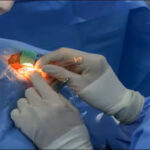
Landmark Achievement: First-Ever Whole Eye… In a groundbreaking medical achievement, a surgical team from NYU Langone Health in the United States has successfully performed the world's first-ever whole-eye transplant. This remarkable procedure marks a significant milestone in the field of…
Diabetes in Nigeria: Why Blood Sugar Control Fails Diabetes in Nigeria does not usually fail in the clinic. Among people who reach a specialist and stay in care, control is often reasonable. It fails in the years before anyone tests you, and it…
Tuberculosis Symptoms and Treatment: What You Need to Know Tuberculosis, or TB, is one of the oldest diseases known to humans, and it remains a major killer. Nigeria has one of the highest TB burdens in Africa, and many people with the disease have…
Nutrition During Cancer Treatment: What to Eat and Why Cancer and its treatment place heavy demands on the body. Chemotherapy, radiotherapy and surgery all increase your need for energy and protein, while side effects such as nausea and mouth sores make eating harder. Good…