ABUJA, NIGERIA — Nigeria has recorded no further confirmed Ebola case in the 21 days since it confirmed an imported Bundibugyo virus infection, the Nigeria Centre for Disease Control and Prevention (NCDC) said in a Nigeria Ebola monitoring update reported by Premium Times on 11 November.
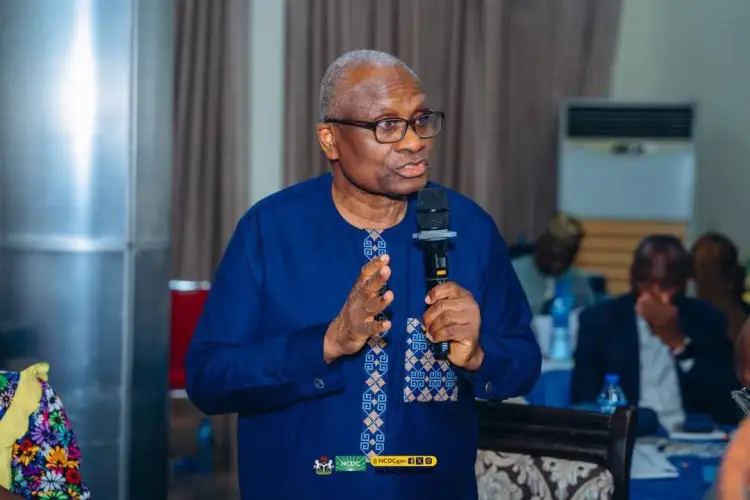
The statement, signed by NCDC Director-General Jide Idris and issued on Tuesday, 10 November, said: “As of 9 November 2026, Nigeria had confirmed only one imported case of Bundibugyo Virus Disease.” The patient, a traveller from Uganda, was evacuated to Switzerland in October.
What the Nigeria Ebola monitoring update shows
Of the contacts identified, 34 have completed their 21-day follow-up and 28 remained under monitoring, according to the NCDC. The agency said the 21-day period since the confirmed case should not be confused with each contact’s individual monitoring period, which starts from their last exposure.
“A person identified as a contact does not necessarily have Ebola,” the NCDC said. People with symptoms were urged to call the NCDC toll-free line, 6232, before going to a health facility, so that they can be assessed safely.
NCDC officials had earlier said they expected to complete monitoring of all 62 contacts by 13 November.
Dengue and chikungunya confirmed
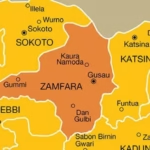
The NCDC also confirmed dengue fever in Sokoto and Zamfara states and chikungunya in Sokoto, and said National Rapid Response Teams, including entomologists from the National Arbovirus Research Centre in Enugu, have been deployed, Premium Times reported.
Zamfara’s state government confirmed a dengue outbreak in Shinkafi and nearby areas last week, with 366 suspected cases and 46 deaths. Dengue and chikungunya are both spread by Aedes mosquitoes, which bite during the day and breed in clean standing water in containers, tyres and drains.
Entomologists study mosquito populations to identify breeding sites, measure insecticide resistance and guide vector control, which is why their deployment alongside clinical teams matters for containing arbovirus outbreaks.
Chikungunya causes sudden fever and severe joint pain that can last for weeks or months. It is rarely fatal but can be disabling. Like dengue, it has no specific antiviral treatment, and care focuses on rest, fluids and pain relief with paracetamol rather than aspirin or ibuprofen until dengue has been ruled out.
Seasonal threats ahead
The NCDC flagged other seasonal risks. Cerebrospinal meningitis cases typically rise as the dry season advances in the northern meningitis belt. Diphtheria continues to affect unvaccinated children, and Lassa fever usually enters a period of rising cases from November.
The agency urged event organisers and health providers to prepare for travel and mass gatherings during the festive season, when large movements of people can spread infections.
The Nigeria Ebola monitoring update comes as other countries in the region tighten preparedness. Ghana makes online health declarations mandatory for all incoming travellers from 12 November, and Kenya has gone three weeks without a new case, with its 42-day countdown expected to begin once its last patient is discharged.
Nigeria has also extended its own health declaration requirement to all international travellers, according to earlier NCDC announcements, and screening continues at major airports.
What the public can do
Health officials advise people to remove standing water around homes, cover water containers and use insect repellent to reduce mosquito bites. For Lassa fever, which spreads through contact with rodent urine and droppings, households should store food in rodent-proof containers and keep homes clean.
Parents should make sure children are fully vaccinated, including against diphtheria and meningitis where vaccines are offered. Anyone with fever should seek testing rather than assuming it is malaria.
Clinicians are urged to maintain a high index of suspicion and use standard infection prevention measures with every patient. The Nigeria Ebola monitoring update suggests that contact tracing has so far prevented local spread, but the NCDC said vigilance remains essential while the outbreak continues in the Democratic Republic of Congo, where more than 10,600 cases have been confirmed.
The next Nigeria Ebola monitoring update is expected once all remaining contacts complete their follow-up.
Health workers remain on the front line of outbreak detection. The NCDC has repeatedly urged clinicians to ask patients with fever about recent travel, wear protective equipment when handling body fluids and report suspected cases immediately, rather than waiting for laboratory confirmation.
Members of the public can also play a role by avoiding the spread of false information on social media, which during past outbreaks led to panic, stigma and harmful remedies.
Why it matters: Nigeria appears to have contained its Ebola case, but dengue, meningitis and Lassa season now need equal vigilance.
NCDC Says Three Ebola Contacts With Symptoms Tested Negative LAGOS, NIGERIA — Three Nigerian Ebola contacts who developed symptoms last week tested negative, and Ebola surveillance in Nigeria will continue for all 54 primary contacts of the country’s only confirmed patient, the Director-General of…
Zamfara Confirms Dengue Fever Outbreak as Deaths Rise to 46 GUSAU, NIGERIA — The Zamfara State Government has confirmed that a Zamfara dengue fever outbreak caused an illness that has killed 46 people in Shinkafi, Moriki and nearby communities, with 366 suspected cases recorded, AIT reported…
NCDC Says Allowance Followed Threats by Contacts to… Nigeria’s disease control agency began paying ₦100,000 a week to Ebola contacts in quarantine after some of them threatened to leave, and the payment was neither planned nor budgeted, the Director-General of the Nigeria Centre…
Pilot and Wife Test Negative in Adamawa Ebola Scare,… YOLA, NIGERIA — The Adamawa suspected Ebola cases, a 34-year-old pilot and his wife, a medical doctor, have tested negative for the virus after two rounds of testing, Nigeria’s disease control agency said, leaving the…