A Ghana Pandemic Fund review mission has assessed the country’s progress in strengthening its ability to prevent, detect and respond to public health threats, finding gains in laboratory and workforce training alongside coordination challenges, WHO Africa reported on 11 November.
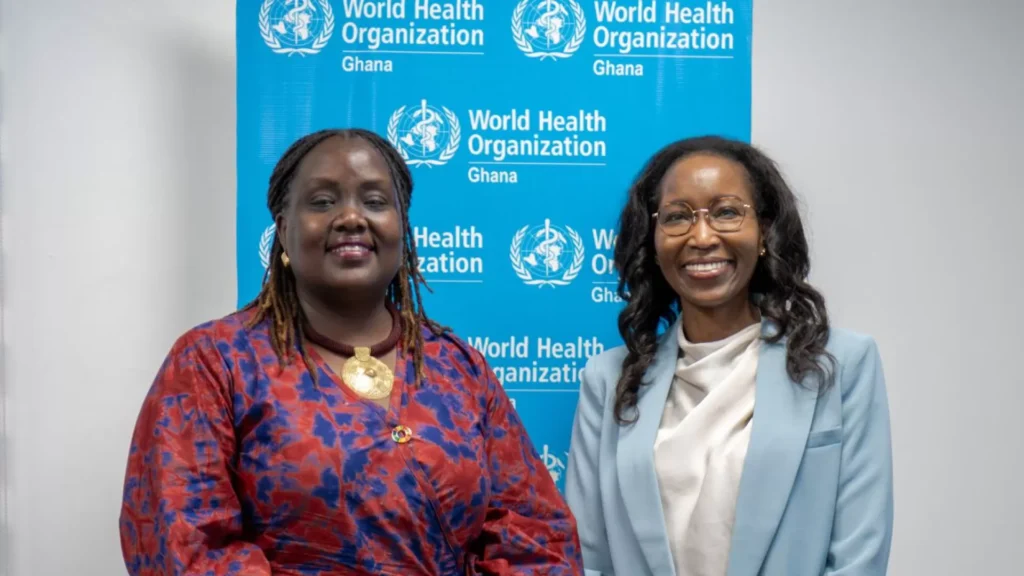
The mission, which took place from 5 to 9 October, was led by Dr Maggie Chase of the Pandemic Fund Secretariat. It involved WHO Ghana, the Food and Agriculture Organization of the United Nations (FAO), the Ghana Health Service (GHS), the Veterinary Services Directorate, academic and research institutions and civil society organisations.
What the Ghana Pandemic Fund review found
The Pandemic Fund-supported project in Ghana supports disease surveillance, laboratory systems and the health workforce. Achievements noted by the mission included training in geographic information systems (GIS), development of training materials on humanitarian crises, validation of training modules and several capacity-building programmes, according to WHO.
At the West African Centre for Cell Biology of Infectious Pathogens (WACCBIP), 10 laboratory staff were trained in bioinformatics, the analysis of genetic data from pathogens. “Building bioinformatics capacity is critical to Ghana’s health security,” said Prof. Peter Quashie, Head of Department at WACCBIP.
Challenges included limited focus on cross-border activities, fragmentation and duplication across the project’s three pillars, and unclear roles in implementation arrangements, the mission found.
Partners take stock
Chase met WHO Ghana Representative Dr Fiona Braka, the WHO and FAO implementation teams and GHS Director-General Dr Samuel Kaba Akoriyea, and visited the National Public Health Reference Laboratory. At the University of Ghana School of Public Health, discussions focused on workforce development and a One Health approach linking human and animal health.
“This mission provides an important opportunity for us, together with our partners, to take stock of progress made,” Braka said. Akoriyea said: “The Pandemic Fund provides an important opportunity to strengthen Ghana’s capacity to identify public health threats.”
“I am pleased with the progress I have seen and the opportunity to engage first-hand with the implementing agencies,” Chase said. The mission ended with a debrief for the Chief Director of the Ministry of Health.
The Ghana Pandemic Fund review is part of regular monitoring of projects financed by the Fund, which checks progress against agreed milestones and identifies where implementation needs to be adjusted.
What the Pandemic Fund does
The Pandemic Fund was established in 2022, hosted by the World Bank, to provide grants that help low- and middle-income countries strengthen pandemic prevention, preparedness and response. Its early funding rounds focused on surveillance, laboratory systems and the health workforce.
Many emerging infections, including Ebola, Lassa fever, avian influenza and anthrax, pass from animals to humans, which is why the One Health approach brings human health, veterinary and environmental services together.
Ghana’s project brings together WHO, which supports the human health side, and FAO, which supports animal health and veterinary services. Joint training and shared surveillance data are intended to help the two sectors detect diseases that cross between animals and people more quickly.
Coordination across agencies and pillars was one of the main challenges identified by the Ghana Pandemic Fund review, reflecting a common difficulty in multi-partner projects where responsibilities can overlap.
Why it matters now
The review comes as Ghana strengthens preparedness for a possible imported Ebola case. From 12 November, all travellers to Ghana must complete an online health declaration form, and travellers from affected countries face 21-day monitoring. Ghana recently contained a yellow fever outbreak and had to restore national health data systems after a hosting bill went unpaid.
Genomic sequencing and bioinformatics allow laboratories to track how outbreaks spread and whether pathogens are changing. Sequencing has linked infections in Uganda, Kenya and Nigeria to the main DRC Ebola transmission chain.
Cross-border cooperation, identified as a weakness in the review, is especially important for Ghana, which borders Côte d’Ivoire, Burkina Faso and Togo, countries that have also reported yellow fever cases this year.
Health security experts say investment in surveillance and laboratories pays off beyond emergencies, by improving routine detection of diseases such as malaria, tuberculosis, meningitis and cholera, and by producing data that guide everyday public health decisions.
WHO Ghana said the mission’s recommendations will be used to refine work plans and improve coordination among implementing partners in the months ahead.
The Ghana Pandemic Fund review findings are expected to guide adjustments to the project, including clearer roles and better coordination across pillars, to strengthen health security as regional threats grow.
Why it matters: Trained lab staff, sequencing and coordinated surveillance determine how quickly Ghana can spot and stop an imported outbreak.
Tramadol and Codeine Addiction: Signs, Dangers and… Tramadol and codeine are opioid medicines used to relieve pain and, in the case of codeine, to suppress coughs. Used correctly for a short time, they are helpful. However, misuse has become a serious problem…
Diabetes in Nigeria: Why Blood Sugar Control Fails Diabetes in Nigeria does not usually fail in the clinic. Among people who reach a specialist and stay in care, control is often reasonable. It fails in the years before anyone tests you, and it…
Nutrition During Cancer Treatment: What to Eat and Why Cancer and its treatment place heavy demands on the body. Chemotherapy, radiotherapy and surgery all increase your need for energy and protein, while side effects such as nausea and mouth sores make eating harder. Good…
Mosquito Control at Home: Protecting Your Family… Mosquitoes are more than a nuisance. In Nigeria, the Anopheles mosquito carries malaria, which kills many children every year. Other mosquitoes spread dengue, yellow fever and other infections. Much of the fight against mosquitoes happens…