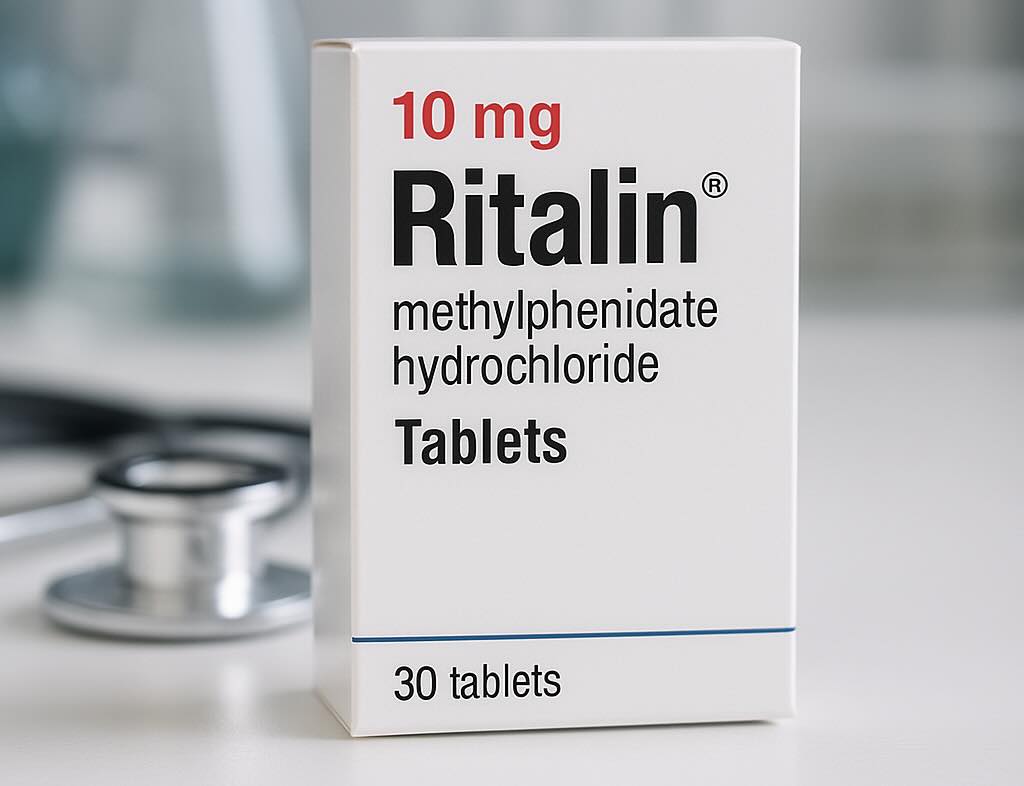
Ritalin is one of the most widely prescribed medicines for Attention-Deficit/Hyperactivity Disorder (ADHD). This guide explains what it is used for, how to take it safely, and what to watch out for while on treatment.
What Is It?
Ritalin contains methylphenidate hydrochloride, a central nervous system stimulant that has been used in ADHD treatment for decades. It comes as an immediate-release tablet, meaning its effects build up quickly and wear off within a few hours, which is why it is often taken more than once a day.
How Does It Work?
Methylphenidate increases the activity of dopamine and noradrenaline in the brain, chemicals involved in attention, impulse control, and alertness. In people with ADHD, this helps improve focus, reduce impulsivity, and support better task completion.
Who Is It Prescribed For?
Children, adolescents, and adults diagnosed with ADHD by a qualified clinician
Occasionally used for narcolepsy under specialist care
Dosage and How to Take It
Dosing is individualised and usually starts low, increasing gradually until the right balance of benefit and side effects is found. Tablets are typically taken two to three times daily, with the last dose given early enough to avoid disturbing sleep. Swallow with water; it can be taken with or after food.
What If I Miss a Dose?
If a dose is missed, do not double up at the next dose. Skip it and continue with the next scheduled dose unless your doctor has given you different instructions.
Common Side Effects
Reduced appetite
Difficulty falling asleep
Headache
Dry mouth
Mild increase in heart rate or blood pressure
Stomach upset
Serious Side Effects, Seek Help If You Notice:
Chest pain, fast or irregular heartbeat, or fainting
Signs of psychosis such as new hallucinations or extreme suspicion
Uncontrolled muscle movements or tics that worsen
Severe mood changes, agitation, or aggression
Signs of circulation problems in fingers or toes (numbness, colour change)
Warnings and Precautions
Ritalin is a controlled substance with a risk of misuse and dependence; it should never be shared with anyone else. It is not recommended for people with certain heart conditions, uncontrolled high blood pressure, glaucoma, severe anxiety, or a history of substance misuse without careful specialist assessment. Growth, heart rate, blood pressure, and mood should be monitored periodically, especially in children.
Drug and Food Interactions
Avoid combining with other stimulants, some antidepressants (MAOIs), and decongestants without medical advice, as these combinations can raise blood pressure or heart rate excessively. Alcohol should be avoided.
Storage
Store below 25°C in a cool, dry place, away from sunlight. Keep in the original container, out of reach of children, and secured given its controlled status.
Frequently Asked Questions
Can Ritalin be taken long-term?
Many people take methylphenidate for years under regular medical review; your doctor will periodically reassess whether it’s still needed and at what dose.
Will Ritalin stunt a child’s growth?
Some children show a temporary slowing in growth rate during treatment; doctors monitor height and weight regularly and may adjust treatment if this becomes a concern.
This article is reviewed by Pharmacist Sesan Kareem, B.Pharm, MPA, MBA and is for educational purposes only. It is not a substitute for professional medical advice, diagnosis, or treatment. Always take medicines exactly as prescribed by your doctor. Chat with a HubPharm pharmacist on WhatsApp with any questions before starting, stopping, or changing a medicine.
Please follow and like us:
Views:120
Related Posts:
Diabetes in Nigeria: Why Blood Sugar Control Fails Diabetes in Nigeria does not usually fail in the clinic. Among people who reach a specialist and stay in care, control is often reasonable. It fails in the years before anyone tests you, and it…
Concerta 18mg XL (Methylphenidate): Uses, Dosage,… Concerta is a once-daily extended-release version of methylphenidate, designed to smooth out ADHD symptom control across the school or work day without repeat dosing. What Is It? Concerta uses an OROS (osmotic release) delivery system:…
Duromine (Phentermine): Uses, Dosage, Side Effects… Classification: Prescription Appetite Suppressant (Controlled Drug) Managing severe obesity often requires medical support alongside lifestyle modifications. This essential Duromine weight loss guide breaks down how this prescription drug works, proper morning administration, potential side effects,…
Nutrition During Cancer Treatment: What to Eat and Why Cancer and its treatment place heavy demands on the body. Chemotherapy, radiotherapy and surgery all increase your need for energy and protein, while side effects such as nausea and mouth sores make eating harder. Good…