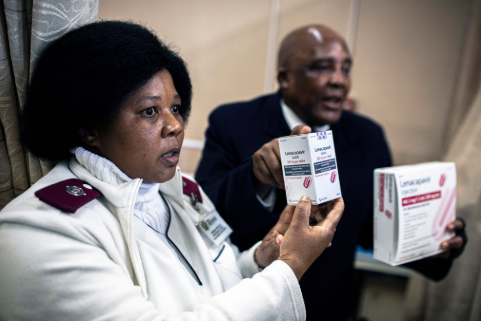
PRETORIA, SOUTH AFRICA — South Africa’s public health system faces a crucial juncture as groundbreaking biomedical advancements intersect with severe structural deficits and funding shortfalls. Driving the south africa health reform agenda, the Department of Health introduced biannual lenacapavir injections for HIV prevention across 360 government clinics starting April 2026. This long-acting prophylaxis targets an initial 456,000 individuals, though broader scaling remains contingent on international donor support amid severe international funding cancellations.
Simultaneously, systemic strains undermine broader healthcare delivery. Over 24,000 public healthcare positions remain unfilled, while tuberculosis containment faces threats from bedaquiline-resistant strains and 15–20% operational budget cuts. Although AI-driven chest radiograph screening shows promise for rapid TB detection, broader systemic reforms—including anti-obesity guidelines and National Health Insurance (NHI) implementation—face steep financial and legal obstacles.
Core Health Priorities & Systemic Performance Challenges
The nation’s reform strategy balances innovative clinical milestones against critical service bottlenecks:
Program Focus
Strategic Innovation & Targets
Operational & Financial Barriers
HIV Prophylaxis
Biannual lenacapavir rollout (360 public clinics)
456,000 capacity cap; dependent on international aid
TB Eradication
AI-powered radiograph screening & clinical models
Bedaquiline resistance; 15–20% budget reductions
National Health Insurance
Universal coverage framework (Signed May 2024)
Stalled by 9 court challenges over procedural validity
Maternal Healthcare
Systemic quality & safety reforms across provinces
Childbirth abuse documented among 60% of regional mothers
Accelerating the South Africa Health Reform Agenda Across Public Clinics
Advancing the south africa health reform agenda requires resolving chronic workforce deficits and resource disparities between private and public sectors. Addressing maternal care failures is a top human rights priority, following documented childbirth abuse affecting 60 percent of laboring mothers in KwaZulu-Natal and Gauteng provinces. Meanwhile, high monthly costs for newly approved anti-obesity drugs like semaglutide (R3,000–R6,000) keep essential chronic therapies out of reach for public sector patients.
Legislative reform also extends to public health regulations, with Parliament deliberating strict tobacco controls covering display bans and public smoking restrictions. However, long-term healthcare equity relies on resolving NHI legal challenges, stabilizing health worker recruitment, and establishing sustainable domestic financing to eliminate out-of-pocket financial burdens for the nation’s 60 million citizens.
Why It Matters: South Africa navigates a health agenda balancing HIV prevention innovation with urgent maternal care reforms and health financing challenges affecting 60 million citizens.
South Africa Reaches 55,000 Lenacapavir Injectable… PRETORIA, SOUTH AFRICA — Official data released by the South African Department of Health shows that over 55,000 individuals have started twice-yearly injectable Lenacapavir for HIV prevention. Reaching this milestone under the lenacapavir prep rollout…
Why South Africa Lenacapavir Rollout Sets HIV… JOHANNESBURG, SOUTH AFRICA — Nearly 55,000 South Africans have received the twice-yearly lenacapavir injection since public health facilities initiated the rollout in June 2026. According to data compiled on 8 September 2026, the long-acting injectable…
South Africa HIV Prevention Jab Reaches 55000 People CAPE TOWN, SOUTH AFRICA — Nearly 55,000 South Africans have received lenacapavir, the twice-yearly injectable HIV prevention drug, since its national deployment commenced on 5 June 2026. The South Africa HIV prevention jab is currently…
South Africa Lenacapavir Rollout: Over 3,600… CAPE TOWN, SOUTH AFRICA — The ongoing South Africa lenacapavir rollout has reached a major landmark, with more than 3,600 individuals initiating the twice-yearly injectable HIV prevention medication across Western Cape public clinics. According to…