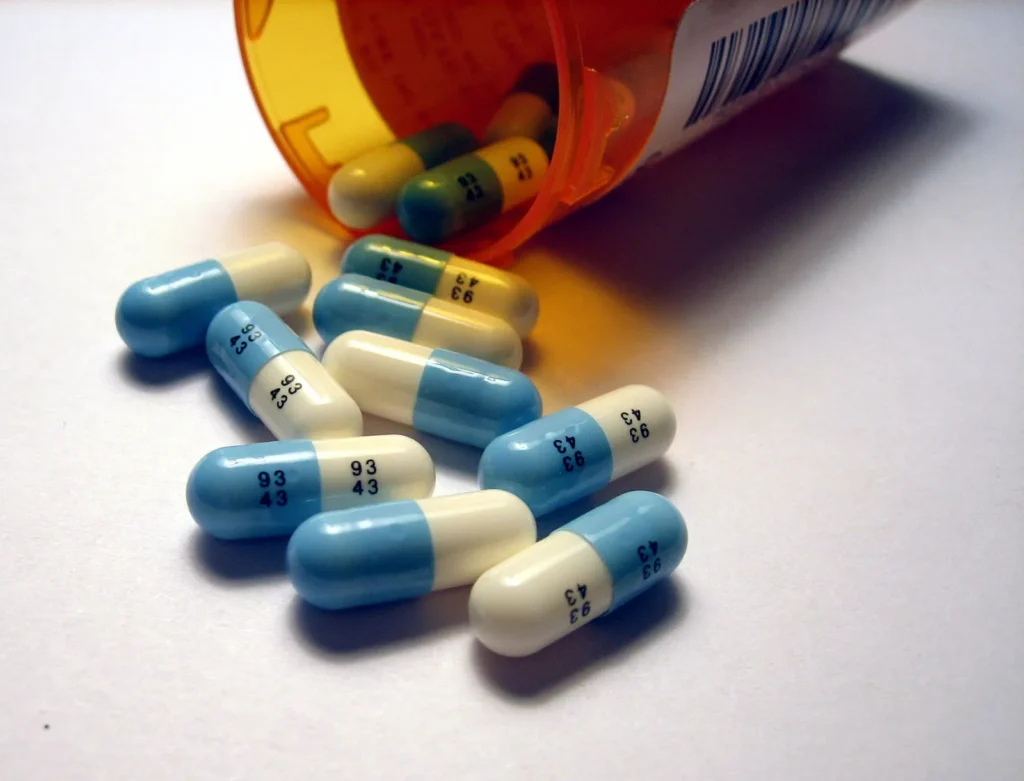
JOHANNESBURG, SOUTH AFRICA — Under mounting supply chain pressures, south africa drug shortages are forcing public clinics to turn away patients without essential medications as inventory levels drop nationwide across multiple provinces.
An investigation by Rapport, reported by News24 and summarized by MedicalBrief on September 23, revealed that over 1.6 million orders for simvastatin (a cholesterol medication) remain unfilled. Additionally, approximately 1.58 million orders for folic acid and 1.93 million orders for the deworming drug mebendazole are outstanding nationwide.
The stockouts also impact basic pain relief, antibiotics, iron supplements, oral contraceptives, eye drops, and critical chronic treatments such as the epilepsy drug phenobarbital.
Structural Causes of South Africa Drug Shortages
Industry stakeholders attribute the ongoing supply deficits to price regulation, regulatory hurdles, and shrinking domestic manufacturing capacity:
Impacting Factor
Operational & Economic Consequence
Loss of Local Production
Closure of domestic plants for oral contraceptives, penicillin, and paracetamol
Regulated Pricing Squeeze
Single Exit Price increases (1.47%) lag behind general national inflation (3.6%)
Provincial Debt & Supply
Eastern Cape Department of Health owes pharmaceutical suppliers over R1 billion
Global Shipping Delays
Conflict in the Middle East reroutes sea freight, delaying deliveries by up to a month
Clinical Risks and Structural Vulnerabilities
While south africa drug shortages present an immediate hazard to patients, the Department of Health disputed the severity of the crisis. Department spokesperson Foster Mohale stated that national medicine availability remains above 80 percent, though he acknowledged that local distribution varies significantly between provinces and individual facilities.
Clinically, supply gaps carry high human costs. Interrupted folic acid distribution increases the risk of neural tube defects during pregnancy, while shortages of phenobarbital leave epilepsy patients vulnerable to severe seizures. Furthermore, contraceptive stockouts increase unintended pregnancies, and patients unable to obtain chronic disease medication often face costly emergency hospitalizations.
Longer term, the decline of South Africa’s pharmaceutical manufacturing base highlights broader vulnerabilities. As the continent’s largest drug production hub loses local capacity, reliance on overseas imports leaves public health systems exposed to international price shifts and shipping disruptions.
Why It Matters: The loss of local manufacturing capacity in Africa’s primary pharmaceutical hub leaves public clinics vulnerable to global supply shocks, putting millions of chronic disease patients at risk.
Iron Supplements and Anemia Prevention in Africa Anemia is one of the most widespread health challenges in Africa, particularly among women and children. According to the World Health Organization (WHO), more than 40% of pregnant women and children under five in sub-Saharan…
Chronic Pain Management in African Women: A… Chronic pain, characterized by persistent discomfort lasting for more than three to six months, is a global health challenge that affects millions of individuals. In the context of Africa, chronic pain poses unique considerations, and…
Apollo Eye in Children: Understanding the Spread and… Apollo Eye, also known as conjunctivitis, is a common eye infection that affects children. It is highly contagious and can spread easily among children, especially in close-contact settings such as schools and daycare centres. This…
Effective Strategies for Managing Pain in the… In this article, we will discuss effective strategies for managing pain in the elderly. Pain is a prevalent and often complex issue among the elderly population. As people age, various factors like chronic conditions, reduced…