When someone is diagnosed with cancer, the whole family feels it. In Nigeria, most care happens at home, often led by a spouse, adult child or sibling. Caregivers manage medicines, cook special meals, travel to hospital, pay bills and offer emotional support, often while working and raising children. These cancer caregiver support tips will help you care well for your loved one without losing your own health along the way.
What caregivers do
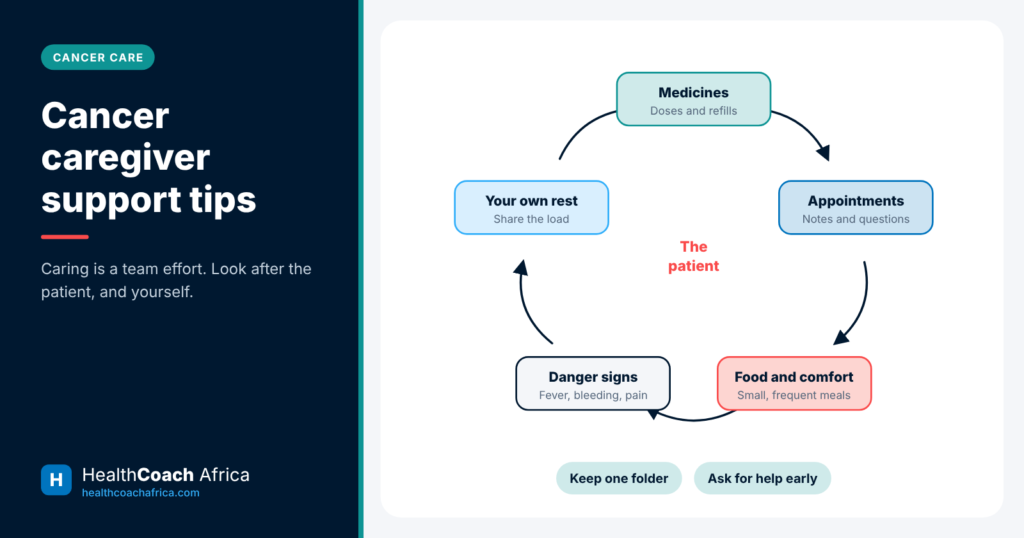
Caregiving looks different for every family. Common tasks include:
Going to appointments and asking questions
Giving medicines on time and keeping track of side effects
Preparing food that the patient can manage
Helping with bathing, dressing and moving around
Managing money, insurance and paperwork
Keeping relatives and friends informed
Offering comfort, company and encouragement
No one person can do everything. Recognising the size of the job is the first step to sharing it.
Get to know the treatment plan
Ask the doctor or nurse to explain the diagnosis, the type of treatment and what to expect. Write down the name of the cancer, the treatment schedule and the contact numbers for the ward or clinic. Keep all test results and prescriptions in one folder.
At each visit, bring a short list of questions. Useful ones include:
What side effects should we expect?
Which symptoms need an urgent call or visit?
How long will treatment last?
What can we do at home to help?
Managing medicines safely
People with cancer often take many medicines, including chemotherapy tablets, anti-sickness medicines 1 , painkillers and medicines for other conditions. Practical cancer caregiver support tips include:
Use a written chart or phone reminders to track each dose
Keep medicines in their original packs, away from heat and children
Wear gloves when handling chemotherapy tablets, and wash hands afterwards
Store refrigerated medicines correctly
Do not stop or change doses without advice
Tell the team about any herbal products or supplements
HUBPHARM PHARMACIST’S NOTE Caregivers often manage ten or more medicines across several doctors. Mix-ups are common, especially with painkillers and anti-sickness tablets. Send a photo of every medicine box to a HubPharm pharmacist. We will build a single daily chart, flag duplicates and interactions, and arrange refills before anything runs out.
Danger signs to act on
Some symptoms during cancer treatment need urgent medical attention:
Fever of 38°C or more, or shivering
Bleeding that will not stop, or black stools
Severe vomiting or diarrhoea, or inability to drink
New breathlessness or chest pain
Sudden confusion, weakness or severe headache
Pain that is not controlled by prescribed medicines
Keep a thermometer 2 at home. During chemotherapy, a fever can signal a dangerous infection, so do not wait until morning.
Helping with food and comfort
Appetite often falls during treatment. Offer small, frequent meals and nourishing drinks rather than large plates. Soft, moist foods help with mouth sores. Keep the patient’s room clean, quiet and well ventilated. Gentle activity, such as short walks, helps with energy and mood.
Comfort also comes from small things: favourite music, prayers, visits from friends, and being included in family decisions.
Talking openly
Many families avoid talking about cancer, hoping to protect the patient. However, silence can leave the person feeling isolated. Let your loved one lead the conversation. Listen without rushing to reassure. It is fine to say you do not know the answer or to share your own feelings.
Children in the family also need simple, honest explanations suited to their age.
Pain control and palliative care
Pain is common in cancer, but most pain can be controlled. Report pain early and accurately, using a simple scale from 0 to 10. Strong pain medicines 3 such as morphine are safe when used as prescribed, and fear of addiction should not stop a patient from getting relief.
Palliative care focuses on comfort, symptom control and quality of life. It can begin at any stage of cancer, not only at the end. Ask whether your hospital has a palliative care team.
Cancer caregiver support tips for hospital visits
Hospital days can be long. Prepare the night before. Pack the patient’s folder, medicines, water, snacks, a light blanket and a phone charger. Leave early to beat traffic. Bring a small notebook for questions and answers. If waiting times are long, ask whether appointments can be booked for specific times. These simple cancer caregiver support tips make each visit less stressful.
Handling costs
Cancer treatment can be very expensive. These steps help:
Ask for a written estimate of treatment costs
Check what your health insurance or HMO covers
Ask about patient support programmes run by hospitals, charities and pharmaceutical companies
Organise family members and community groups to share costs
Keep receipts and records
Cancer caregiver support tips for your own health
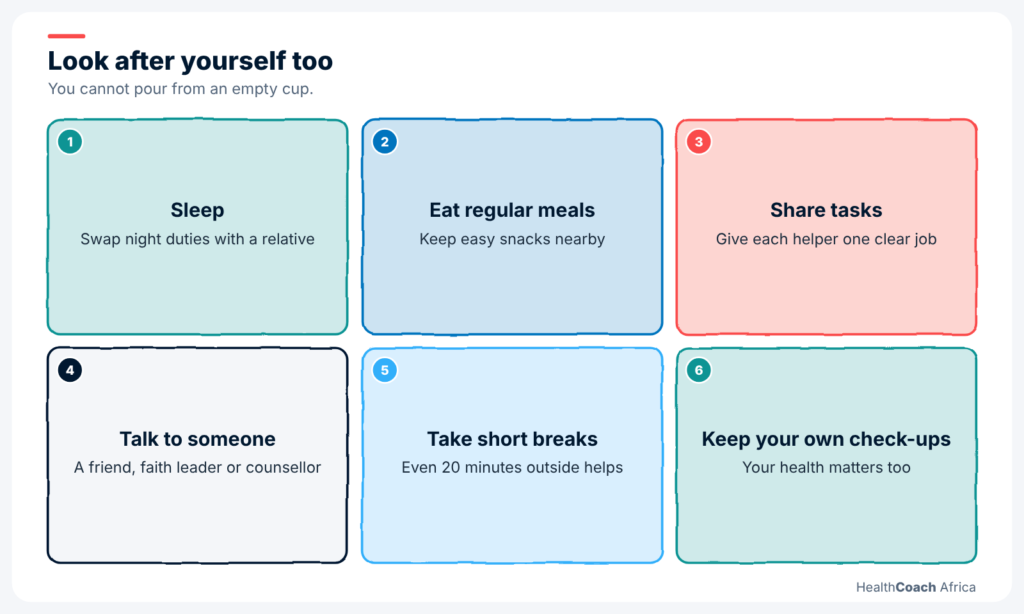
Caregivers often neglect themselves. Over time, this leads to exhaustion, anxiety and depression. Protect your own health by:
Sleeping and eating regularly
Accepting help with cooking, transport or hospital visits
Taking short breaks, even 20 minutes a day
Keeping up your own medical appointments
Talking to a friend, religious leader or counsellor
Joining a caregiver support group
Looking after yourself is not selfish. It allows you to keep caring for longer.
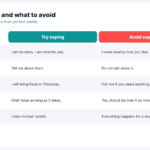
Six self-care cancer caregiver support tips for protecting your own health
Caregivers who rest and share the load care better and for longer.
Signs that you need a break
Caregiver burnout develops slowly. Watch for these signs in yourself:
Feeling exhausted even after sleep
Losing interest in things you used to enjoy
Feeling irritable, hopeless or resentful
Getting sick more often
Neglecting your own health checks
Using alcohol or sleeping tablets to cope
If you notice these, ask for help now. Speak to a doctor, a counsellor or a trusted friend. Arrange for someone else to take over for a few days if possible.
Sharing the load
Make a list of tasks and ask relatives and friends to choose what they can do. One person might handle transport, another cooking, another paperwork. A shared WhatsApp group can keep everyone updated and reduce repeated phone calls. Be specific when people offer help.
Involving the patient in decisions
People with cancer want to stay in control of their lives. Ask what matters most to them. Include them in decisions about treatment, visitors and money where possible. Respecting their wishes protects their dignity.
Keeping hope alive
Hope can change shape during cancer. At first, it may be hope for a cure. Later, it may be hope for a good day, a family event or a peaceful time together. Caregivers can support hope without pretending. Celebrate small victories. Keep traditions and routines that bring joy. Faith and community can provide strength.
Practical cancer caregiver support tips at home
Make the home safe and comfortable. Clear walkways to prevent falls. Keep a bell or phone within reach of the patient. Use a pill organiser. Keep a list of emergency numbers on the fridge. Prepare a hospital bag in case of an urgent admission. Small preparations prevent panic when things change quickly. These cancer caregiver support tips are simple, but they make a real difference.
When care moves to the end of life
If treatment is no longer working, the focus shifts to comfort. This is a difficult time. Palliative care teams can help manage symptoms at home or in hospital, support the family and plan for the person’s wishes. Spiritual care and time with loved ones become central.
Planning ahead together
When the person you care for feels well enough, talk about their wishes. Ask who they want involved in medical decisions and where they would prefer to be cared for. Keep important documents, test results and contacts in one folder. These cancer caregiver support tips reduce stress later, because difficult choices are not made in a rush.
Prevent nausea during treatment. Give before nausea starts.
2
Digital thermometer
Over the counter
Essential at home during chemotherapy to check for fever.
3
Morphine and other strong painkillers
Prescription only
Safe when used as prescribed for cancer pain. Store securely and give on schedule.
To order any of these, or to ask a pharmacist a question first, message HubPharm on WhatsApp or visit hubpharmafrica.com. Prescription medicines are supplied against a valid prescription.
Managing Chemotherapy Side Effects: 7 Practical Tips… Chemotherapy saves lives, but it also affects healthy cells, and that is where side effects come from. The good news is that most of them can be prevented, reduced or treated. Managing chemotherapy side effects…
Nutrition During Cancer Treatment: What to Eat and Why Cancer and its treatment place heavy demands on the body. Chemotherapy, radiotherapy and surgery all increase your need for energy and protein, while side effects such as nausea and mouth sores make eating harder. Good…
Grief and Bereavement Support: Living Through Loss Losing someone we love is one of the hardest experiences in life. In Nigeria, families often come together quickly after a death, with visitors, prayers, ceremonies and long funeral preparations. When the crowds leave, many…
Newly Diagnosed With Breast Cancer? Your First 30 Days Guide If you have just been newly diagnosed with breast cancer, start here. You do not need to understand everything today. You need to know what to do next, and in what order. This guide breaks…