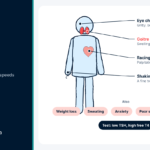
Feeling your heart pound, flutter or skip a beat can be alarming. You may notice it while lying in bed, after a cup of coffee or during a stressful day. Most palpitations are harmless and pass on their own. Sometimes, though, they point to a heart rhythm problem or another medical condition that needs treatment. Understanding the causes of heart palpitations helps you know when to relax and when to see a doctor. This guide explains common triggers, warning signs and the tests that may be needed.
What are palpitations?
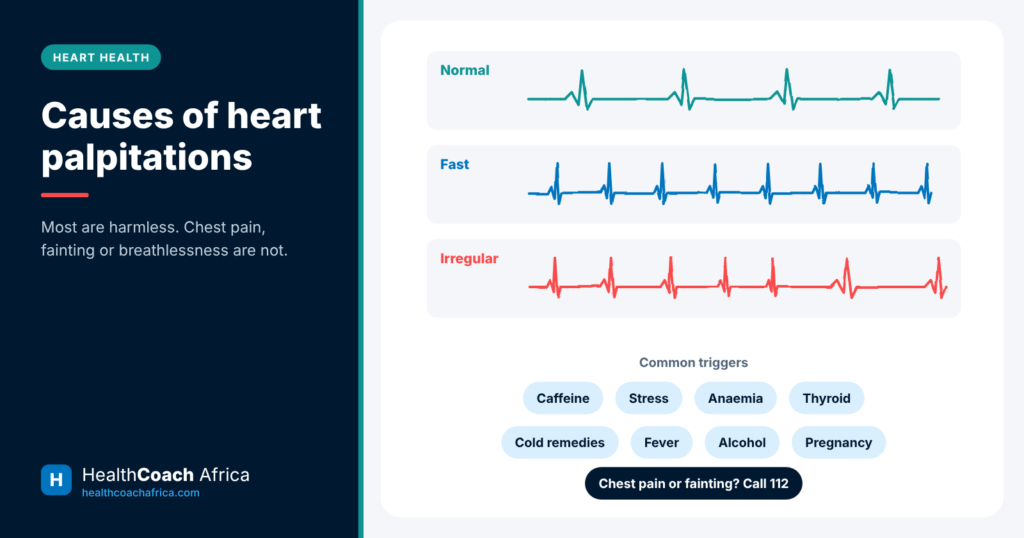
Palpitations are an awareness of your own heartbeat. People describe them as:
A pounding or racing heart
Fluttering in the chest
Skipped or extra beats
An irregular rhythm
A thumping felt in the neck or throat
They can last a few seconds or several hours. They may happen at rest, during activity or at night.
Common, harmless causes of heart palpitations
Many causes of heart palpitations are everyday triggers:
Caffeine, from coffee, strong tea, cola, energy drinks and some painkillers
Stress and anxiety, including panic attacks
Physical exercise
Lack of sleep
Alcohol, especially after heavy drinking
Nicotine, from cigarettes and shisha
Large or spicy meals
Dehydration, particularly in hot weather
Fever, including during malaria
Extra heartbeats, called ectopic beats, are very common. They often feel like a skipped beat followed by a strong thump. In a healthy heart, they are usually harmless.
Medical causes
Some causes of heart palpitations are medical conditions that need treatment:
Anaemia, a low red blood cell count, which makes the heart work harder
An overactive thyroid, which speeds up the heart
Low blood sugar, especially in people on diabetes medicines
Pregnancy, when the heart pumps more blood
Menopause, with hot flushes and palpitations
Low potassium or magnesium, sometimes from diarrhoea, vomiting or water tablets
Infections and fever
Medicines and substances
Some medicines and substances can trigger palpitations:
Decongestants found in cold and flu remedies1
Asthma inhalers, such as salbutamol
Some antidepressants and antihistamines
Thyroid medicines if the dose is too high
Weight-loss products and slimming teas
Recreational drugs, such as cocaine and amphetamines
If palpitations began after starting a new medicine, tell your doctor or pharmacist. Do not stop prescribed medicine without advice.
HUBPHARM PHARMACIST’S NOTE
Cold and flu remedies with decongestants, slimming products, some asthma inhalers and energy drinks are common hidden causes of palpitations. Send a photo of your medicines and supplements to a HubPharm pharmacist. We will check for stimulants, caffeine and interactions, and tell you whether anything could be causing your symptoms. If you have been prescribed a beta blocker or a blood thinner for a heart rhythm problem, we will explain how to take it safely and deliver monthly refills.
Heart rhythm problems
Sometimes palpitations are caused by an abnormal heart rhythm, called an arrhythmia. Examples include:
Atrial fibrillation, an irregular and often fast rhythm that raises the risk of stroke
Supraventricular tachycardia (SVT), sudden bursts of a very fast, regular heartbeat
Ventricular arrhythmias, which are less common but more serious
Heart rhythm problems are more likely if you have high blood pressure, heart disease, heart valve problems or a family history of sudden death.
Causes of heart palpitations in pregnancy
Palpitations are common in pregnancy. The heart pumps more blood, and the heart rate rises a little. Anaemia, which is common in pregnant women in Nigeria, can make palpitations worse. Most are harmless, but palpitations with chest pain, breathlessness or fainting need urgent care. Tell your antenatal team about frequent palpitations so they can check your blood count and heart.
Palpitations at night
Many people notice their heartbeat more when lying down at night, because it is quiet and there are fewer distractions. Lying on the left side can make the heartbeat feel stronger. This is usually harmless. Palpitations that wake you suddenly, with breathlessness or sweating, should be checked.
When palpitations are an emergency
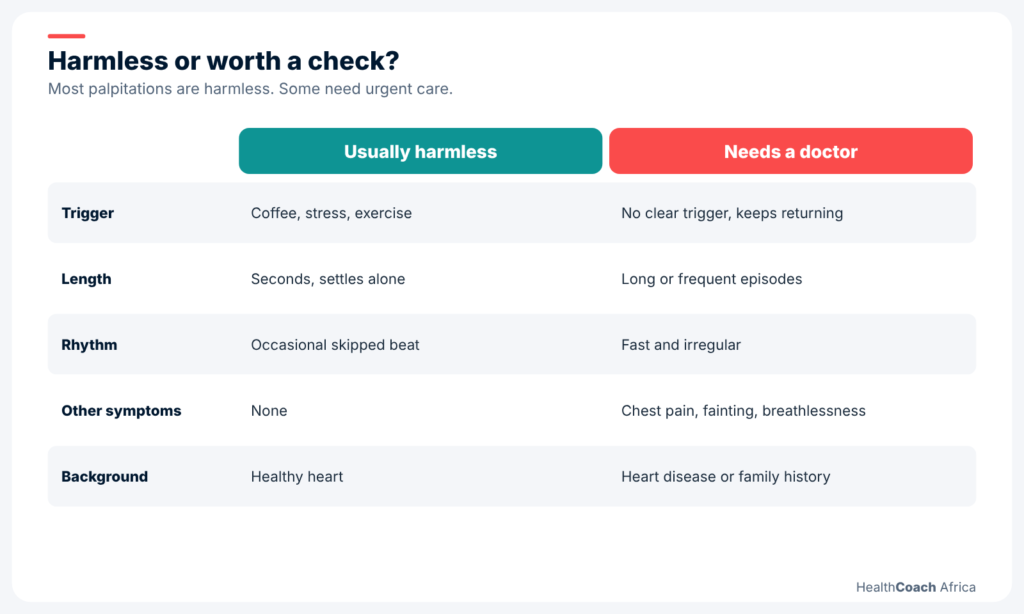
Comparison of harmless and worrying causes of heart palpitations and when to seek help
Tap out the rhythm for your doctor: fast or slow, regular or irregular.
Seek emergency help immediately if palpitations come with:
Chest pain or tightness
Severe shortness of breath
Fainting or nearly fainting
Dizziness or confusion
Call 112 or go straight to an emergency department.
When to see a doctor
Book an appointment if:
Palpitations last a long time, keep returning or are getting worse
You have a known heart condition
You have a family history of heart disease or sudden death
Your heart rate stays very fast or very irregular
You are worried about your symptoms
How palpitations are investigated
Your doctor will ask about your symptoms, lifestyle and medicines, and will examine you. Tests may include:
An ECG to record the heart’s electrical activity
Blood tests for anaemia, thyroid function, blood sugar and salts such as potassium
A 24-hour or longer heart monitor, which records your rhythm during daily life
An echocardiogram, an ultrasound of the heart
Try to describe your palpitations clearly. Tap out the rhythm on a table to show your doctor whether it is fast, slow, regular or irregular.
Simple manoeuvres for fast heartbeats
People with diagnosed SVT may be taught simple manoeuvres to slow the heart, such as bearing down as if straining or splashing cold water on the face. Only use these if a doctor has diagnosed SVT and shown you how. Never try to treat chest pain or fainting at home.
Treatment
Treatment depends on the cause. Often, cutting down on triggers is enough. Medical causes such as anaemia or an overactive thyroid are treated directly. Heart rhythm problems may need medicines, such as beta blockers2, or procedures to correct the rhythm. People with atrial fibrillation may need blood-thinning medicine to prevent stroke.
Self-help steps
Cut down on caffeine and energy drinks
Limit alcohol and stop smoking
Drink enough water
Get regular sleep
Practise slow breathing and relaxation
Keep a diary of when palpitations happen and what you were doing
Causes of heart palpitations linked to lifestyle
Lifestyle is one of the most common causes of heart palpitations in young adults. Long working hours, little sleep, energy drinks to stay awake, and stress combine to trigger them. Small changes, such as cutting caffeine, sleeping at regular times and taking short breaks, often bring quick improvement. Keeping a diary helps you identify your own triggers.
Myths about palpitations
“Palpitations always mean heart disease.” Most are harmless and linked to everyday triggers.
“Young people cannot have heart rhythm problems.” Some rhythm conditions appear in young adults.
“If it stops, I do not need to tell anyone.” Repeated episodes deserve a check.
“Energy drinks are harmless.” High caffeine levels can trigger palpitations.
Palpitations and anxiety
Anxiety and palpitations often feed each other. A racing heart makes people anxious, and anxiety releases adrenaline that speeds the heart further. Slow breathing, regular exercise and talking therapies help many people. However, anxiety should only be blamed once physical causes of heart palpitations have been checked, especially anaemia, thyroid problems and heart rhythm disorders.
Keeping a palpitations record
Note the date, time, how long each episode lasted, what you were doing and how you felt. If you have a smartphone or smartwatch that records heart rhythm, save the recording to show your doctor. Some pharmacies and clinics can also do a quick ECG if you go while the palpitations are happening.
Causes of heart palpitations in older adults
In older adults, palpitations are more likely to be linked to heart rhythm problems, especially atrial fibrillation, which raises stroke risk. Older people who notice an irregular or racing heartbeat should have an ECG soon, even if they feel otherwise well.
Can trigger palpitations. Ask a pharmacist for alternatives.
2
Beta blockers
Prescription only
Slow the heart rate in some rhythm problems.
To order any of these, or to ask a pharmacist a question first, message HubPharm on WhatsApp or visit hubpharmafrica.com. Prescription medicines are supplied against a valid prescription.
Migraine Triggers and Treatment: How to Take Back Control A migraine is much more than a bad headache. It is a neurological condition that can cause severe, throbbing pain, sickness and sensitivity to light and sound, often forcing people to lie down in a…
Thyroid Problems After Childbirth: What New Mothers… The months after giving birth bring huge changes. Tiredness, mood swings, weight changes and poor sleep are common, and most are normal. However, some new mothers develop thyroid problems after childbirth that cause similar symptoms.…
Healthy FIFA World Cup Qatar 2022; Creating a Legacy… With Qatar soon to take the centre stage of world sports, the World Health Organization and the Qatar Ministry of Public Health are driving efforts to help make this year’s celebration of football, the “world’s…
Signs of Overactive Thyroid and How It Is Treated The thyroid is a small, butterfly-shaped gland in the front of the neck. It makes hormones that control how fast the body uses energy. When the gland makes too much hormone, everything speeds up: the…