Abuja, Nigeria — Nigeria has recorded more than 65,000 suspected cholera cases across 35 states and about 195 local government areas so far in 2026, the Nigeria Centre for Disease Control and Prevention said, warning that the outbreak has not ended even as weekly case counts fall. Managing this cholera cases Nigeria outbreak requires sustained vigilance across rural and urban communities.
Weekly Trends and Case Fatality Progress in Cholera Cases Nigeria Outbreak
NCDC director-general Jide Idris said the proportion of deaths is considerably lower than over the same period last year. “The encouraging news is that weekly cases have declined substantially from the peak recorded earlier in the season,” he said. “This is important progress. But I want to be very clear: the outbreak is not over.”
Root Drivers and Environmental Risks for Cholera Cases Nigeria Outbreak
Idris said unsafe water, open defecation and poor sanitation remain the underlying drivers of transmission, particularly during rainy seasons when flooding contaminates water sources. “While treatment saves lives, we cannot treat our way out of cholera,” he said. Addressing these environmental factors is vital to preventing future resurgences of this cholera cases Nigeria outbreak.
Parallel Public Health Surveillance: Diphtheria Update
In the same briefing, the agency reported that Nigeria has confirmed more than 10,000 diphtheria cases in 2026, with most concentrated in Kano, Borno and Bauchi states, according to Premium Times.
Infrastructure Investment and Public Health Impact
Cholera control in Nigeria depends on water and sanitation investment rather than clinical care, which puts the burden on states and local councils.
Frequently Asked Questions
Why do cholera cases spike during the rainy season in Nigeria?
Rainy season flooding causes pit latrines and open runoff to contaminate shallow wells and untreated surface water sources, accelerating the spread of Vibrio cholerae bacteria.
What is the primary treatment for severe cholera infection?
Immediate rehydration using Oral Rehydration Salts (ORS) and IV fluids is the primary life-saving measure, restoring electrolytes lost through acute watery diarrhea.
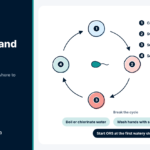
Cholera Symptoms and Prevention: A Practical Guide… ARTICLE TEXT Cholera outbreaks occur in Nigeria almost every year, often during the rainy season when floods contaminate wells and boreholes. Cholera can kill within hours if dehydration is not treated. Yet it is easy…
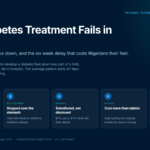
Diabetes in Nigeria: Why Blood Sugar Control Fails Diabetes in Nigeria does not usually fail in the clinic. Among people who reach a specialist and stay in care, control is often reasonable. It fails in the years before anyone tests you, and it…
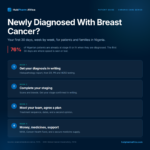
Newly Diagnosed With Breast Cancer? Your First 30 Days Guide If you have just been newly diagnosed with breast cancer, start here. You do not need to understand everything today. You need to know what to do next, and in what order. This guide breaks…
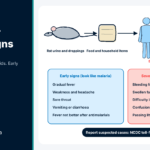
Lassa Fever Warning Signs: Early Action Saves Lives Lassa fever is a viral illness that is found in West Africa, and Nigeria reports more cases than any other country. Each year, outbreaks peak during the dry season, from about December to April. In…