“I treated malaria last week, but the fever is back.” Pharmacists across Nigeria hear this every day. People often blame weak medicine and buy something stronger, or take a second course of a different drug. Yet there are many reasons why malaria treatment fails, and most of them can be prevented. This guide explains the common causes, what to do when fever returns and how to make sure your treatment works the first time.
What does treatment failure mean?
Treatment failure means that symptoms do not improve, or malaria parasites remain or return, after a full course of treatment. With a genuine artemisinin-based combination therapy (ACT) taken correctly, most people feel better within two to three days. If fever continues beyond this, or returns within a few weeks, something has gone wrong.
Reason 1: It was never malaria
The most common reason why malaria treatment fails is that the illness was not malaria in the first place. Many illnesses cause fever, headache and body pains, including:
Typhoid fever
Urinary tract infections
Pneumonia and other chest infections
Viral infections, including flu and dengue
Lassa fever
Hepatitis
Treating these with antimalarials will not help. A malaria test1 before treatment avoids this problem. If a test was negative, ask the health worker to look for other causes.
Reason 2: Missed or incomplete doses
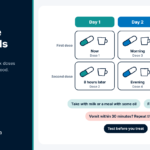
ACTs are designed to be taken over three days. Artemether-lumefantrine2, for example, is six doses over three days. Many people stop after the fever settles on day one or two. The remaining parasites can multiply again, and fever returns. Incomplete courses also encourage resistance.
Set alarms for each dose. Take the full course even if you feel well.
Reason 3: Wrong dose
Doses depend on body weight, especially for children. Splitting adult tablets for children, guessing doses or sharing one pack between family members leads to underdosing. Too little medicine may not clear the parasites. Ask a pharmacist to confirm the right dose for each person.
Reason 4: Poor absorption
Some antimalarials need food to be absorbed properly. Lumefantrine, for example, is absorbed much better with a little fatty food, such as milk, groundnuts or a meal containing oil. Taking it on an empty stomach can reduce its effect.
Vomiting soon after a dose also means the medicine is lost. Repeat the dose if vomiting occurs within 30 minutes. If vomiting continues, seek care, as injections may be needed.
HUBPHARM PHARMACIST’S NOTE
If your fever is back after malaria treatment, bring the pack you used. A pharmacist can often spot the problem in minutes: a missed dose, a wrong dose for your weight, a product without a NAFDAC number or tablets taken on an empty stomach. Send a photo of the pack and your symptoms to a HubPharm pharmacist. We will tell you whether to retest, help you find the cause of the fever and supply a genuine ACT from a verified source if you need one. Please do not start a second course on your own.
Reason 5: Fake or substandard medicines
Fake and poor-quality antimalarials are a serious problem in many countries, including Nigeria. They may contain little or no active ingredient, the wrong ingredient or harmful substances. They can look almost identical to genuine packs.
Buy medicines only from licensed pharmacies or health facilities. Check the NAFDAC registration number, the expiry date and the packaging. Be wary of very cheap products and medicines sold in markets, buses or by hawkers.
Reason 6: Old or single-drug treatments
Older medicines, such as chloroquine and sulfadoxine-pyrimethamine used alone, no longer work well against most malaria in Nigeria, because the parasites have become resistant. Artemisinin given alone, without a partner drug, is also not recommended. Use only recommended ACTs for treatment.
Reason 7: Drug resistance
Malaria parasites can develop resistance to medicines over time. Partial resistance to artemisinin has been confirmed in parts of East Africa. Resistance has not been widely reported in Nigeria, but it is a growing concern for the region. Taking full courses of genuine ACTs, and testing before treatment, helps protect these medicines for the future.
Reason 8: A new infection
In areas where mosquitoes bite every night, a person can be cured of one infection and catch another within weeks. This can look like treatment failure. Sleeping under a treated net after treatment helps prevent new infections.
Reason 9: Severe malaria
Sometimes malaria is already severe when treatment starts. Tablets alone are not enough for severe malaria, which needs injectable artesunate in hospital. Signs include confusion, convulsions, repeated vomiting, difficulty breathing, dark urine and extreme weakness.
Why malaria treatment fails in pregnancy
Pregnancy changes how the body handles some medicines and lowers immunity to malaria. Pregnant women may also receive the wrong treatment if they buy medicine without telling the seller they are pregnant. This is another reason why malaria treatment fails. Pregnant women should always be tested and treated by a health worker, who will choose a medicine that is safe for the stage of pregnancy.
Why malaria treatment fails in children
Children are especially affected by underdosing, vomiting and spitting out bitter tablets. Use dispersible tablets where possible and give them with a little milk or food. Watch your child for 30 minutes after each dose. If the child vomits, repeat the dose. If vomiting continues, or the child becomes drowsy or will not drink, go to a health facility straight away.
What to do if fever returns
Steps to take when fever returns, explaining why malaria treatment fails and how to fix it
Fever after treatment has many possible causes. Testing again is the first step.
If fever continues after three days of treatment, or returns within four weeks:
Do not start another course of antimalarials on your own.
Go to a health facility or pharmacy and get tested again.
Bring the medicine pack you used, so the health worker can check it.
Ask whether other causes of fever need to be tested.
Seek urgent care if any danger signs appear.
Self-medication and shared medicine
Many people buy antimalarials without a test, use leftover tablets from a previous illness or share one pack among family members. These habits are common reasons why malaria treatment fails. Leftover tablets may be expired, incomplete or the wrong dose. Each sick person needs their own test and their own full course.
The role of your pharmacist
Pharmacists can test for malaria, explain how to take each dose, check the right dose for your weight and advise on side effects. They can also recognise when a fever needs a doctor. Ask questions and tell your pharmacist about any other medicines you take, pregnancy or recent treatment.
Getting treatment right the first time
Test before treating
Use a recommended ACT from a trusted source
Take the correct dose for your weight
Take each dose with food or milk as directed
Complete all doses
Sleep under a treated net to prevent reinfection
Report side effects or vomiting to a pharmacist
Myths about failed malaria treatment
“My body is used to that drug, so I need a stronger one.” Most failures are caused by missed doses, wrong diagnosis or fake drugs, not tolerance.
“Injections are always stronger than tablets.” Tablets work well for uncomplicated malaria when taken correctly.
“Two different antimalarials at once will clear it faster.” Mixing drugs without advice can cause harm.
“If the test is negative, the test is wrong.” A negative test usually means the fever has another cause.
Keep your receipts and packs
Keep the pack and receipt until treatment is complete and you feel well. If fever returns, they help a health worker check the product, the dose and the source quickly.
Getting help
Understanding why malaria treatment fails helps you protect your family and your money. The WHO guidelines for malaria explain recommended treatments, and our malaria articles cover testing and prevention.For genuine ACTs, malaria test kits or advice on a fever that keeps returning, message a HubPharm pharmacist or chat with Afiya on WhatsApp.
Medicines and products in this article
#
Medicine or product
What to know
1
Malaria rapid diagnostic test
Pharmacy and clinic
Confirms malaria before treatment.
2
Artemether-lumefantrine
Prescription or pharmacy
Six doses over three days, with fatty food or milk.
To order any of these, or to ask a pharmacist a question first, message HubPharm on WhatsApp or visit hubpharmafrica.com. Prescription medicines are supplied against a valid prescription.
How to Take Antimalarials Correctly and Avoid… Malaria medicines are among the most commonly bought medicines in Nigeria. Yet many people take them incorrectly. They skip doses, stop when they feel better, take them without food or buy them from unreliable sellers.…
Diabetes in Nigeria: Why Blood Sugar Control Fails Diabetes in Nigeria does not usually fail in the clinic. Among people who reach a specialist and stay in care, control is often reasonable. It fails in the years before anyone tests you, and it…
Malaria: Understanding Symptoms, Treatment,… In this article, we will discuss the symptoms, treatment and prevention of malaria. Furthermore, we will highlight global efforts and challenges in eradicating malaria in our world Malaria, a life-threatening mosquito-borne disease, continues to…
Nutrition During Cancer Treatment: What to Eat and Why Cancer and its treatment place heavy demands on the body. Chemotherapy, radiotherapy and surgery all increase your need for energy and protein, while side effects such as nausea and mouth sores make eating harder. Good…