You have collected your laboratory report, and it is full of abbreviations, numbers and arrows. Thyroid function test results are among the most commonly requested blood tests, and also among the most misunderstood. This guide explains what each value means in plain language, so that you can have a better conversation with your doctor. It does not replace their advice.
The three main hormones
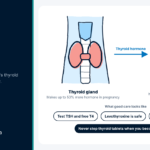
TSH (thyroid stimulating hormone) is made by the pituitary gland in the brain. It tells the thyroid how hard to work, and it is the most sensitive single test.
Free T4 (thyroxine) is the main hormone that the thyroid produces.
Free T3 (triiodothyronine) is the active form. It is most useful when an overactive thyroid is suspected.
Think of TSH as a volume control. When thyroid hormone is low, the brain turns TSH up. When thyroid hormone is high, TSH falls. In other words, TSH moves in the opposite direction to the thyroid itself.
Who should have a thyroid test?
Testing is most useful when there is a reason for it. Your doctor may recommend it if you have:
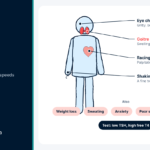
Symptoms such as unexplained tiredness, weight change, a racing heart or feeling unusually cold or hot
A swelling in the neck
Irregular periods, difficulty conceiving or repeated miscarriage
A family history of thyroid disease
High cholesterol or low mood without a clear cause
An irregular heartbeat
Treatment with amiodarone or lithium
Previous thyroid surgery or radioactive iodine treatment
Healthy adults with no symptoms do not usually need routine testing.
How to read your thyroid function test results
A typical TSH reference range is about 0.4 to 4.0 mIU/L. However, every laboratory prints its own range, so always use the one on your report.
High TSH with low free T4: an underactive thyroid (hypothyroidism).
High TSH with normal free T4: a mildly underactive thyroid. It may need monitoring or treatment, depending on the level, your symptoms and any pregnancy plans.
Low TSH with high free T4 or T3: an overactive thyroid (hyperthyroidism).
Low TSH with normal free T4 and T3: a mildly overactive thyroid, which needs a repeat test and monitoring.
Low or normal TSH with low free T4: an uncommon pattern that may point to a pituitary problem and needs specialist review.
Units, ranges and “total” versus “free”
Two details on the report often cause confusion. First, laboratories use different units. One may report free T4 in pmol/L, while another uses ng/dL. The numbers look completely different even when the result is the same. Therefore, never compare your figures with a friend’s report or with a table found online.
Second, some laboratories measure total T4 and total T3. These totals rise in pregnancy and in women taking the contraceptive pill, even when the thyroid is healthy. The free measurements avoid this problem and are preferred. If your report shows only totals, ask your doctor whether a free T4 would be more helpful.
What the antibody tests mean
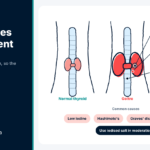
Antibody tests explain the cause, not the severity. Anti-TPO antibodies suggest Hashimoto’s disease, a common cause of an underactive thyroid. TSH receptor antibodies, on the other hand, point to Graves’ disease, the usual cause of an overactive thyroid. Once the cause is known, these tests rarely need repeating.
Other tests your doctor may order
Blood tests show how the thyroid is working, but not what it looks like. Depending on your thyroid function test results, further tests may follow:
Ultrasound scan. This examines the size of the gland and any lumps. It is painless and uses no radiation.
Fine needle test. A thin needle takes cells from a lump to check whether it is harmless.
Uptake scan. This shows why the gland is overactive.
General blood tests. A blood count and a cholesterol test are common, because thyroid problems affect both.
Not everyone needs these. Ask what each test will add before you pay for it.
Things that can distort the result
Biotin supplements. Many hair, skin and nail vitamins contain biotin, which can give false readings. Stop them at least two days before the test.
Timing of levothyroxine. On the day of the test, have your blood taken before you swallow your tablet.
Serious illness. A hospital admission can upset the numbers temporarily.
Pregnancy. The normal ranges are different.
Other medicines. Amiodarone, lithium, steroids and some epilepsy medicines affect the results.
Time of day. TSH is higher in the early morning, so test at a similar time on each visit.
What the results mean for treatment
Thyroid function test results matter only because of what happens next.
Underactive thyroid. The treatment is levothyroxine, taken once a day. The starting dose depends on your weight, your age and your heart health. The dose is then adjusted until TSH returns to the target range. Most people need it for life.
Mildly underactive thyroid. Treatment is not automatic. Doctors usually treat when TSH is clearly raised, or when there are symptoms, positive antibodies or a pregnancy plan. Otherwise, a repeat test in a few months is reasonable.
Overactive thyroid. Options include antithyroid tablets such as carbimazole, radioactive iodine and surgery. Another medicine may be added to slow the heart while treatment takes effect.
Mildly overactive thyroid. Monitoring is often enough. However, older adults and people with heart disease or thin bones may be offered treatment.
Symptoms matter as much as numbers
Laboratory ranges describe the average population, not you personally. Some people feel unwell with a result that is only just abnormal, while others feel fine. A good doctor therefore treats the patient and the result together. Describe your symptoms clearly, and say how they have changed since your last test.
Keeping the cost down
A full thyroid panel costs much more than a single test. In many situations, TSH alone is enough to screen for a problem or to monitor a stable dose. Free T4, free T3 and antibodies are added only when TSH is abnormal or the picture is unclear. Ask which tests you need on each occasion.
When to repeat the test
After starting levothyroxine or changing the dose, wait six to eight weeks, because TSH responds slowly. Once you are stable, a test every six to twelve months is enough. During pregnancy, testing is needed about every four weeks in the first half.
In addition, a single mildly abnormal result without symptoms should be repeated after a few weeks. Doctors rarely start lifelong treatment on the basis of one test.
Questions to ask your doctor
What is causing my abnormal result?
Do I need treatment now, or monitoring?
What TSH level are we aiming for?
When should I be tested again?
Do any of my medicines or supplements interfere?
A caution about self-treatment
Do not adjust your levothyroxine dose according to how you feel or because of one result. Too much thyroid hormone causes palpitations and thins the bones. Furthermore, “thyroid support” supplements and herbal mixtures may contain iodine or animal thyroid extract. These can distort your thyroid function test results and harm the gland.
Frequently asked questions
Do I need to fast before the test?
No. You can eat and drink as usual. Simply delay your levothyroxine until after the blood sample.
My TSH is normal, but I still feel tired. Why?
Tiredness has many causes. These include anaemia, poor sleep, low mood, diabetes and vitamin deficiency. A normal result is a reason to look elsewhere.
Can stress or illness change my results?
Yes. A serious illness can alter thyroid function test results for a few weeks. If possible, wait until you have recovered.
How long will I need to take levothyroxine?
In most cases, for life. The dose may change with age, weight and pregnancy.
Can the wrong brand affect my results?
Switching between brands can shift your levels slightly. Stay with one brand if you can, and retest after six to eight weeks if you change.
Keep your own file
Store every report in one folder or as photos on your phone. Seeing your thyroid function test results side by side, with the dose you were taking at the time, makes each consultation shorter and each decision safer.
Signs of Overactive Thyroid and How It Is Treated The thyroid is a small, butterfly-shaped gland in the front of the neck. It makes hormones that control how fast the body uses energy. When the gland makes too much hormone, everything speeds up: the…
Goitre Causes and Treatment: A Clear Guide A goitre is an enlargement of the thyroid gland, which sits at the front of the neck below the Adam's apple. It may be a small, painless swelling noticed in a photograph, or a large…
Diabetes in Nigeria: Why Blood Sugar Control Fails Diabetes in Nigeria does not usually fail in the clinic. Among people who reach a specialist and stay in care, control is often reasonable. It fails in the years before anyone tests you, and it…
Thyroid Disease in Pregnancy: Risks, Tests and Safe… The thyroid is a small gland in the neck, but during pregnancy it carries a heavy load. For the first three months, a baby depends entirely on the mother's thyroid hormone for brain development. Thyroid…